Skip to content

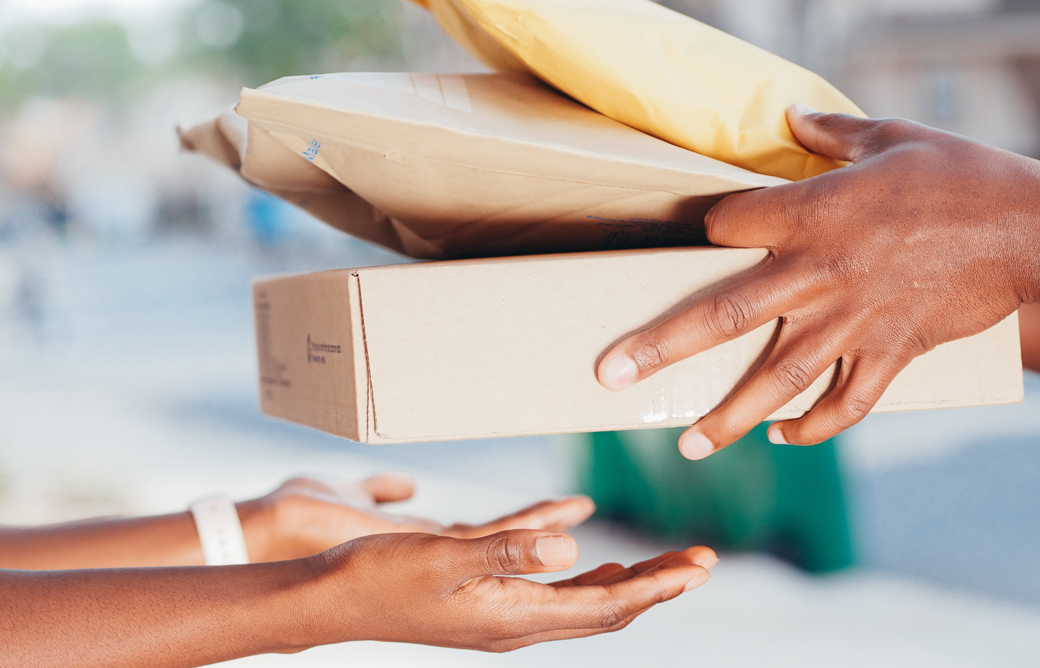
Managing Reverse Logistics: Challenges and Strategies for Freight Returns. Gain insights into the complexities of reverse logistics and uncover effective strategies for handling freight returns. Navigate the obstacles that arise in reverse supply chain management and learn practical solutions to streamline the process.
Discover key challenges faced by businesses in managing returns and explore innovative approaches to optimize efficiency and reduce costs. From developing robust return policies to implementing advanced tracking systems, discover actionable tips to enhance your reverse logistics operations. Stay ahead of the competition by mastering the art of managing reverse logistics and turning challenges into opportunities for success.
Managing freight returns can be a challenging endeavor for businesses operating in the fast-paced world of freight transportation. However, the implementation of effective reverse logistics strategies is vital to maintaining a competitive edge in the freight industry. In this article, we will explore the significance of reverse logistics in handling freight returns and delve into the key aspects that make it crucial for businesses to optimize their processes. Let’s dive in!
Freight returns play a significant role in the overall supply chain management of businesses. As the demand for efficient and reliable freight transportation continues to rise, addressing the complexities of reverse logistics becomes essential. Here are some reasons why reverse logistics is important:
While the benefits of effective reverse logistics are evident, businesses must navigate several challenges to achieve success. Here are some common obstacles faced in managing freight returns:
To overcome these challenges and enhance reverse logistics processes, businesses can adopt various strategies. Here are some effective approaches:
As the freight industry continues to evolve, embracing emerging trends becomes crucial for effective reverse logistics. Here are a few notable trends:
In conclusion, managing reverse logistics in freight returns is of paramount importance in today’s competitive landscape. By addressing the challenges, implementing effective strategies, and embracing emerging trends, businesses can optimize their reverse logistics processes and create a seamless experience for customers. Stay ahead of the curve in the ever-evolving world of freight transportation by prioritizing the importance of reverse logistics in handling freight returns.
📚 Related Resources:
Feel free to leave your thoughts and comments below. We’d love to hear your experiences and insights on managing reverse logistics in freight returns!
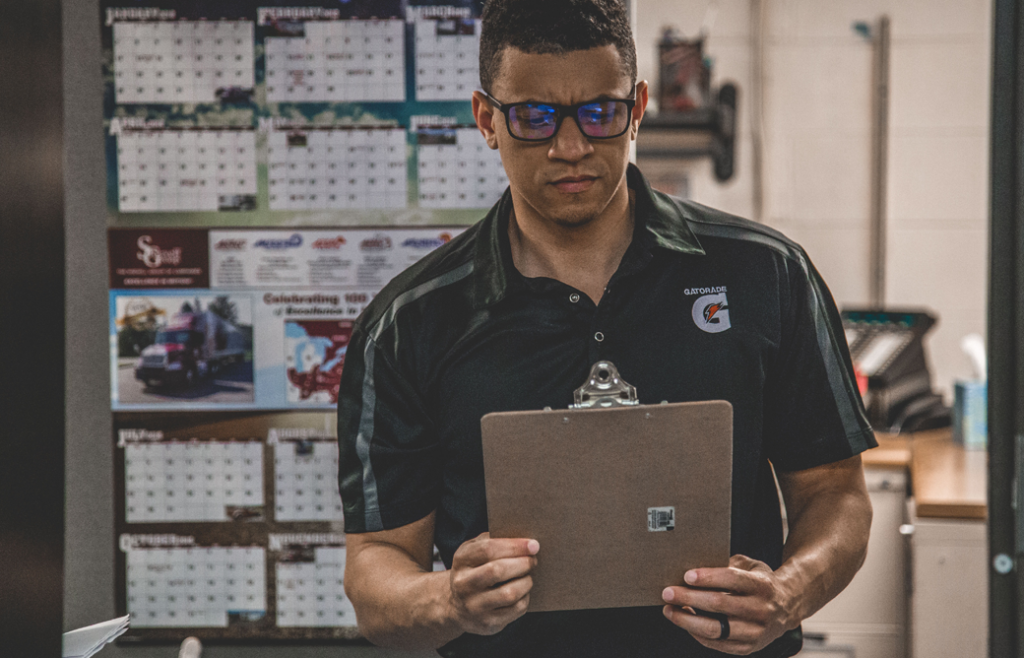
Managing freight returns can be a complex and multifaceted process, filled with various challenges that businesses in the freight industry must navigate. In this article, we will explore 10 common challenges faced when dealing with freight returns and provide insights on how to overcome them. Whether you’re involved in freight handling, freight brokerage, or freight transportation, understanding these challenges is crucial for a successful reverse logistics strategy. Let’s delve into the world of freight returns and discover effective solutions!
Handling returned goods efficiently and accurately is a significant challenge in managing freight returns. Properly inspecting, sorting, and storing items requires robust processes and well-trained staff. Implementing effective handling procedures helps minimize errors and ensures a smooth return process.
Maintaining visibility and tracking of returned shipments can be a daunting task. Lack of real-time information on the whereabouts of returned items leads to delays and customer dissatisfaction. Leveraging technology solutions such as RFID tracking and advanced logistics software enhances visibility, enabling businesses to monitor returns effectively.
Addressing insurance coverage for returned goods is crucial to protect businesses from potential financial losses. Assessing and updating insurance policies to include coverage for damages, theft, or loss during the return process is essential for risk management.
The freight industry itself presents unique challenges in managing freight returns. Factors such as fluctuating freight rates, changing regulations, and dynamic market conditions require businesses to stay informed and adaptable. Keeping a pulse on freight industry trends and actively seeking innovative solutions help overcome these challenges.
When handling perishable or temperature-sensitive products, maintaining the integrity of the cold chain during the return process is critical. Ensuring proper storage conditions, temperature monitoring, and adherence to cold chain protocols minimize product spoilage and guarantee customer satisfaction.
Freight transportation security is a significant concern when managing freight returns. Protecting returned goods from theft, tampering, or unauthorized access requires implementing robust security measures. Utilizing secure storage facilities, conducting thorough background checks on personnel, and utilizing advanced security technologies enhance freight transportation security.
Determining the appropriate freight rate for returned items can be challenging. Factors such as distance, weight, and special handling requirements must be considered to ensure fair pricing. Analyzing historical data, negotiating with carriers, and utilizing freight rate calculators help businesses determine accurate and competitive rates.
The last-mile delivery of returned goods presents unique challenges. Coordinating efficient and timely delivery to customers’ locations requires optimizing routing, considering local regulations, and partnering with reliable last-mile delivery providers. Implementing effective last-mile logistics strategies streamlines the return process and enhances customer satisfaction.
Collaborating with freight forwarders is common in managing freight returns. However, ensuring seamless communication, coordinating documentation, and aligning processes between multiple parties can be complex. Establishing strong relationships and leveraging digital freight forwarding platforms simplify collaboration and enhance efficiency.
Managing freight returns across different modes of transportation, such as sea freight and air freight, presents specific challenges. Each mode has its own regulations, lead times, and handling procedures. Understanding these nuances and adapting reverse logistics processes accordingly is vital to minimize delays and ensure successful returns.
Overcoming the Challenges with Effective Strategies
Successfully managing freight returns requires implementing strategies that address these challenges head-on. Here are some key strategies to consider:
Navigating the challenges in managing freight returns is a continuous process that requires adaptability and innovation. By understanding these common challenges and implementing effective strategies, businesses can optimize their reverse logistics operations, improve customer satisfaction, and maintain a competitive edge in the dynamic world of freight transportation.
📚 Related Resources:
Feel free to share your thoughts and experiences in the comments below. Let’s continue the conversation on managing freight returns and overcoming the associated challenges!

In the fast-paced world of freight transportation, developing an efficient return policy is crucial for businesses dealing with freight returns. A well-crafted return policy not only ensures a smooth and customer-centric return process but also helps businesses manage freight handling, insurance, visibility, and other key aspects of reverse logistics. In this article, we will explore the essential components of an efficient return policy and provide insights on how to develop one that aligns with the unique challenges and trends in the freight industry. Let’s dive in and optimize your return policy!
A well-designed return policy sets clear expectations and guidelines for both customers and businesses involved in freight returns. Here’s why developing an efficient return policy matters:
To develop an efficient return policy for freight returns, consider incorporating the following key components:
Define the eligibility criteria for returns, including time limits, conditions of the returned goods, and acceptable reasons for return. Communicate these criteria clearly to customers to manage expectations and reduce potential disputes.
Establish a streamlined return authorization process to ensure that returns are authorized promptly. Provide customers with an easy-to-follow process, such as an online return form or a dedicated customer service hotline, to initiate the return.
Offer flexible return options to accommodate customer preferences. This can include multiple return methods, such as self-ship returns or pre-paid return labels, and provide options for refunds, exchanges, or store credits.
Establish clear communication channels to address customer queries and concerns throughout the return process. Ensure that customer service representatives are well-trained and equipped to handle return-related inquiries promptly and effectively.
Clearly outline refund and exchange policies, including timelines and any associated fees or restrictions. This transparency fosters trust and helps customers make informed decisions regarding returns.
Specify the extent of freight insurance coverage for returned goods. Clearly communicate the responsibilities of the customer and the business in terms of insurance claims and reimbursement.
Encourage customers to provide feedback on their return experience. This feedback can provide valuable insights for identifying process improvements and enhancing customer satisfaction in the future.
Developing an efficient return policy is only the first step. Effectively implementing and communicating the policy is equally important. Here are some best practices:
Here’s a summary of the key elements to include in your return policy:
| Component | Description |
|---|---|
| Clear Eligibility Criteria | Define time limits, conditions, and reasons for return. |
| Streamlined Return Authorization | Establish a simple process for authorizing returns. |
| Flexible Return Options | Offer multiple return methods and options for customers. |
| Clear Communication Channels | Provide channels for customers to inquire about returns. |
| Transparent Refund and Exchange Policies | Outline policies, timelines, and fees for refunds/exchanges. |
| Freight Insurance Coverage | Specify insurance coverage for returned goods. |
| Post-Return Feedback and Improvement | Encourage customers to provide feedback on their experience. |
📚 Related Resources:
Developing an efficient return policy is an ongoing process that requires continuous evaluation and improvement. By considering the unique challenges and trends in the freight industry and implementing a customer-centric approach, you can optimize your return policy to enhance customer satisfaction, streamline operations, and stay ahead of the competition.
Share your thoughts and experiences with return policies in the comments below. Let’s continue the conversation on developing efficient return processes in the freight industry!

The reverse supply chain, particularly the process of managing freight returns, plays a critical role in the freight industry. To stay competitive and meet customer expectations, businesses need to streamline their reverse supply chain effectively. In this article, we will explore key strategies and technologies to optimize the reverse supply chain, incorporating insights from freight industry trends and addressing the challenges faced by businesses in freight handling, visibility, cold chain logistics, and more. Let’s dive into the world of reverse supply chain and discover how to streamline it for success!
Streamlining the reverse supply chain, specifically in managing freight returns, offers several benefits to businesses:
To optimize the reverse supply chain, businesses should consider implementing the following strategies:
Digital freight forwarding solutions offer advanced capabilities in managing the reverse supply chain. Leveraging technologies such as cloud-based platforms, real-time tracking, and automated documentation simplifies processes, improves visibility, and enables seamless collaboration between stakeholders.
Enhancing visibility and tracking throughout the reverse supply chain is crucial. Utilize technologies such as RFID, IoT, and advanced tracking software to monitor returned goods at each stage, enabling real-time updates and proactive issue resolution.
Efficient freight handling is essential for a streamlined reverse supply chain. Implement standardized procedures, invest in adequate training for staff, and leverage automation technologies to minimize errors, improve accuracy, and expedite the handling of returned goods.
For businesses dealing with perishable or temperature-sensitive products, optimizing cold chain logistics in the reverse supply chain is critical. Ensure proper storage conditions, temperature monitoring, and adherence to cold chain protocols to maintain product quality and safety during returns.
Partnering with reliable freight forwarders and logistics service providers is key to streamlining the reverse supply chain. Establish strong relationships, align processes, and leverage their expertise to optimize transportation, warehouse management, and last-mile delivery for returned goods.
Here’s a summary of the key strategies to streamline the reverse supply chain:
| Strategy | Description |
|---|---|
| Embrace Digital Freight Forwarding | Leverage technology platforms for streamlined processes. |
| Implement Robust Visibility and Tracking Systems | Utilize RFID, IoT, and tracking software for real-time updates. |
| Optimize Freight Handling Processes | Standardize procedures and leverage automation technologies. |
| Prioritize Cold Chain Logistics | Maintain proper storage conditions and adhere to protocols. |
| Collaborate with Freight Forwarders and Logistics Partners | Partner with reliable service providers for optimized operations. |
📚 Related Resources:
By implementing these strategies, businesses can streamline their reverse supply chain, optimize processes, and deliver an exceptional customer experience. Stay ahead of the freight industry challenges and embrace the evolving world of freight transportation, where digitalization and collaboration are key to success.
Share your thoughts and experiences in the comments below. Let’s continue the conversation on streamlining the reverse supply chain and driving efficiency in freight returns!

In the dynamic world of freight transportation, the efficient management of reverse logistics, including freight returns, is vital for businesses to stay competitive. Embracing technology is key to enhancing reverse logistics processes, addressing industry challenges, and capitalizing on emerging trends. In this article, we will explore how technology can revolutionize reverse logistics, covering aspects such as freight handling, visibility, last-mile delivery, and more. Let’s delve into the world of reverse logistics and discover how leveraging technology can drive efficiency and success!
Technology plays a pivotal role in transforming reverse logistics operations, offering numerous benefits to businesses:
To optimize reverse logistics using technology, businesses can implement the following strategies:
Embrace innovative technologies such as RFID, GPS, and IoT devices to enhance visibility and tracking of returned goods. These technologies enable businesses to monitor the movement of items, identify bottlenecks, and proactively address any issues.
Digital freight forwarding platforms provide end-to-end solutions for reverse logistics, facilitating seamless collaboration between stakeholders, automated documentation, and real-time communication. Leveraging such platforms streamlines processes and reduces manual errors.
Deploy automation and robotics technologies in freight handling processes to improve efficiency and accuracy. Automated sorting systems, robotic pickers, and smart warehouses minimize errors, optimize space utilization, and expedite the handling of returned goods.
Utilize innovative last-mile delivery solutions, including drone freight delivery and route optimization algorithms. These technologies enhance the speed and precision of delivering returned goods, ensuring a seamless and efficient customer experience.
Leverage data analytics and artificial intelligence (AI) to extract actionable insights from vast amounts of data. By analyzing customer patterns, product performance, and operational metrics, businesses can optimize reverse logistics processes, forecast demand, and make informed decisions.
Here’s a summary of the key technology solutions for enhancing reverse logistics:
| Technology Solution | Description |
|---|---|
| Freight Visibility and Tracking | Utilize RFID, GPS, and IoT devices for real-time tracking. |
| Digital Freight Forwarding | Leverage platforms for seamless collaboration and automation. |
| Automation and Robotics | Implement automated systems and robotics for efficient handling. |
| Last-Mile Delivery Solutions | Deploy drone delivery and route optimization technologies. |
| Data Analytics and AI | Utilize data-driven insights and AI for informed decision-making. |
📚 Related Resources:
By leveraging technology solutions, businesses can revolutionize their reverse logistics processes, optimize freight returns, and gain a competitive edge in the ever-evolving world of freight transportation. Embrace the digital revolution, overcome industry challenges, and embark on a journey towards enhanced reverse logistics efficiency.
Share your thoughts and experiences in the comments below. Let’s continue the conversation on leveraging technology for superior reverse logistics!
In the complex world of freight transportation, collaboration with partners and service providers is key to overcoming industry challenges and achieving success in managing freight returns. By forming strategic alliances and leveraging the expertise of various stakeholders, businesses can enhance their capabilities in freight handling, visibility, last-mile delivery, and more. In this article, we will explore the importance of collaboration and highlight the benefits of partnering with freight forwarders, service providers, and other industry professionals. Let’s dive into the world of collaboration and discover how it can drive efficiency and excellence in freight management!
Collaborating with partners and service providers offers several advantages to businesses in the freight industry:
To unlock the full potential of collaboration, businesses should consider forming strategic relationships with the following partners and service providers:
Freight forwarders play a crucial role in managing the logistics of freight transportation. Partnering with reputable freight forwarders allows businesses to tap into their extensive networks, transportation expertise, and knowledge of regulatory requirements. Collaborating with freight forwarders ensures efficient freight transactions, cost-effective transportation options (such as sea freight and air freight), and seamless coordination across the supply chain.
Engaging with service providers and technology partners opens avenues for innovation and optimization in freight management. Collaborating with freight visibility and tracking solution providers, digital freight forwarding platforms, and drone freight delivery specialists enables businesses to enhance visibility, automate processes, and explore cutting-edge technologies for greater operational efficiency.
Partnering with logistics and warehousing professionals allows businesses to optimize freight handling, inventory management, and storage capabilities. By leveraging their expertise in cold chain logistics, freight insurance, and efficient warehouse operations, businesses can ensure the integrity of products, reduce risks, and streamline the handling of returned goods.
Here’s a summary of the key collaborative relationships in freight management:
| Collaborative Relationship | Description |
|---|---|
| Freight Forwarders | Leverage their networks and expertise in freight transportation. |
| Service Providers and Technology Partners | Engage with providers of freight visibility, digital forwarding, and drone delivery solutions. |
| Logistics and Warehousing Professionals | Partner with experts in logistics, cold chain management, and warehouse operations. |
📚 Related Resources:
By fostering collaborative relationships and partnerships, businesses can unlock synergies, access specialized expertise, and optimize their freight management processes. Embrace collaboration, navigate freight industry challenges, and propel your business towards success!
Share your thoughts and experiences in the comments below. Let’s continue the conversation on the power of collaboration in freight management!
In the fast-paced world of freight transportation, continuous improvement and performance measurement are vital for businesses to stay ahead of the competition and excel in managing freight returns. By adopting a proactive approach and leveraging key metrics, businesses can identify areas for improvement, address industry challenges, and optimize their freight handling, visibility, and overall logistics operations. In this article, we will explore the importance of continuous improvement and performance measurement in the freight industry, along with essential metrics to track. Let’s dive in and discover how a focus on continuous improvement can drive success in freight management!
Continuous improvement is a systematic approach that fosters innovation, efficiency, and operational excellence. By striving for constant improvement, businesses can:
To measure performance and guide continuous improvement efforts, businesses should monitor and track key metrics in their freight management processes. Here are some essential metrics to consider:
Track the percentage of returns and analyze the reasons behind them. This metric provides insights into product quality, customer satisfaction, and potential areas for improvement in reverse logistics.
Measure the time and resources required for freight handling, including loading, unloading, and sorting. Analyze efficiency metrics, such as time per item or packages handled per hour, to identify bottlenecks and optimize processes.
Monitor the accuracy and completeness of freight visibility and tracking data. Track metrics such as on-time delivery, real-time tracking updates, and the percentage of shipments with complete tracking information.
Evaluate the reliability and speed of last-mile delivery operations. Measure metrics such as on-time delivery rate, delivery attempts per successful delivery, and customer satisfaction with the final mile experience.
Track the overall cost of freight logistics, including transportation, warehousing, and handling expenses. Analyze cost metrics, such as cost per mile, cost per package, and cost as a percentage of revenue, to identify opportunities for cost optimization.
Here’s a summary of the key performance metrics for freight management:
| Performance Metric | Description |
|---|---|
| Freight Returns Rate | Measure the percentage of returns and analyze reasons for returns. |
| Freight Handling Efficiency | Track time and resources for freight handling to optimize processes. |
| Freight Visibility and Tracking | Monitor accuracy and completeness of freight visibility data. |
| Last-Mile Delivery Performance | Evaluate reliability and speed of last-mile delivery operations. |
| Freight Logistics Cost | Track overall cost of freight logistics to identify cost-saving opportunities. |
📚 Related Resources:
By focusing on continuous improvement and measuring key performance metrics, businesses can drive efficiency, enhance customer satisfaction, and achieve excellence in freight management.
Share your thoughts and experiences in the comments below. Let’s continue the conversation on continuous improvement and performance measurement in freight management!
Return freight refers to the transportation of goods or products back to the original sender or designated location due to reasons like customer returns, order cancellations, or product recalls. It involves the reverse logistics process of moving items from the customer back to the supplier or warehouse.
A return process is a set of procedures and steps followed to handle the return of goods from customers or the reverse flow of products in the supply chain. It includes activities such as initiating return requests, assessing product condition, arranging pickup or drop-off, inspecting and restocking items, and managing refunds or replacements.
Returns in warehousing refer to the handling and management of products that are returned by customers or require reverse logistics. It involves processing returned items, inspecting their condition, determining whether they can be restocked or require disposal, updating inventory records, and ensuring efficient storage and organization of returned goods within the warehouse.
Freight delivery refers to the transportation and delivery of goods or cargo from one location to another. It involves the movement of items using various modes of transportation, such as trucks, ships, airplanes, or trains. Freight delivery services are responsible for ensuring that goods reach their intended destination safely, efficiently, and within the specified time frame.