Looking to transport your goods quickly and efficiently? Learn everything you need to know about air freight – the fastest mode of transport.
Air freight is an essential aspect of international trade and commerce, enabling businesses to transport goods rapidly and efficiently across countries. Compared to other modes of transportation, air freight is the fastest way to ship goods, making it an ideal choice for businesses that require time-sensitive delivery of their products.
In this article, we will take an in-depth look at air freight, its advantages and disadvantages, and how it compares to other modes of transportation. Whether you’re new to the world of international shipping or looking to explore new ways to transport your goods, this article will provide you with a comprehensive understanding of air freight and its benefits.
Air freight logistics plays a vital role in the global supply chain, providing a fast and reliable way to transport goods across the world. With advancements in technology and logistics infrastructure, air freight has become an increasingly efficient and cost-effective option for businesses of all sizes.
One of the key advantages of air freight logistics is speed. Airplanes are capable of transporting goods across the world in a matter of hours, compared to several weeks for sea freight or several days for land transport. This makes air freight an ideal choice for time-sensitive shipments such as perishable goods or urgent medical supplies.
In addition to speed, air freight logistics offers other benefits such as reliability, security, and flexibility. Airlines have strict regulations and procedures in place to ensure the safety and security of cargo, reducing the risk of damage or loss during transportation. Air freight also provides more flexibility in terms of scheduling, with frequent departures and arrivals that can accommodate last-minute shipments.
However, air freight logistics does come with some disadvantages. The cost of air freight can be higher than other modes of transportation, especially for larger or heavier shipments. Additionally, some countries may have restrictions on certain types of cargo, such as hazardous materials, which can limit the availability of air freight options.
To optimize air freight logistics, businesses can work with experienced freight forwarders who specialize in air freight services. These forwarders can help navigate complex regulations and provide end-to-end logistics solutions, including customs clearance, warehousing, and distribution. They can also leverage technology to track shipments in real-time, provide automated alerts, and ensure timely delivery.
Air freight is a fast and efficient way to transport goods across the world, but it can come with a hefty price tag. Understanding air freight charges is essential for businesses looking to optimize their logistics costs and stay competitive in today’s global marketplace.
There are several factors that determine air freight charges, including the weight and dimensions of the shipment, the origin and destination locations, and the type of goods being transported. Airlines typically use a combination of weight and volume metrics to calculate air freight charges, with the greater of the two determining the final price.
In addition to the basic air freight charges, there may be additional fees and surcharges to consider. These can include fuel surcharges, security fees, handling fees, and customs clearance fees. These fees can vary based on the airline, destination country, and type of cargo being shipped.
To manage air freight charges effectively, businesses can work with experienced freight forwarders who specialize in air freight services. These forwarders can negotiate rates with airlines, provide cost-effective solutions for shipment consolidation, and advise on the most efficient routing options to minimize costs.
Another way to reduce air freight charges is to optimize packaging and labeling. By reducing the weight and volume of shipments through efficient packing, businesses can lower their air freight charges. Clear and accurate labeling can also help ensure that shipments are handled correctly and avoid costly delays or penalties.
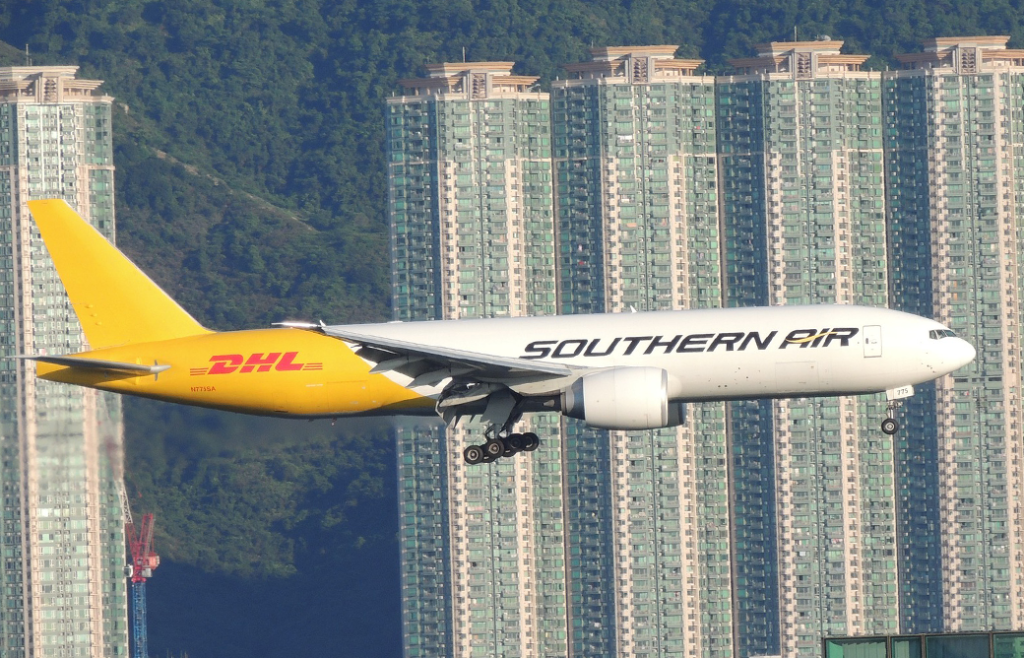
Air freight is a popular mode of transportation for businesses that need to transport goods quickly and efficiently. However, once the shipment is in transit, it can be challenging to keep track of its progress and ensure timely delivery. That’s where air freight tracking comes in. Here’s everything you need to know about air freight tracking:
Air Freight Tracking factors all the below features:
| Feature | Description |
|---|---|
| Real-time tracking | Allows you to track your shipment’s location and status in real-time, giving you up-to-date information on its progress. |
| Automated alerts | Sends automated alerts to notify you of any delays, changes in schedule, or delivery updates. |
| Online access | Provides easy and convenient online access to your shipment’s tracking information from anywhere, at any time. |
| Multi-carrier support | Supports multiple carriers and allows you to track shipments from different carriers on one platform. |
| Document management | Provides a centralized platform to manage all shipment documents, including invoices, customs clearance documents, and delivery receipts. |
Air freight forwarding is a critical component of the global supply chain. It involves the transportation of goods by air from one location to another. Air freight forwarding is essential for businesses that need to transport goods quickly and efficiently, and it requires expertise in international trade regulations, customs clearance, and logistics. Here’s everything you need to know about air freight forwarding:
Air Freight Forawarding takes into account all the below features:
| Feature | Description |
|---|---|
| Freight consolidation | Combines multiple shipments from different shippers into one shipment to reduce costs and improve efficiency. |
| Customs clearance | Ensures compliance with customs regulations and provides expert guidance and support for import and export processes. |
| Freight insurance | Provides insurance coverage for goods in transit, protecting against loss or damage during transportation. |
| Warehousing and distribution | Offers storage, inventory management, and distribution services to help streamline the supply chain process. |
| Door-to-door delivery | Provides end-to-end delivery services, including pick-up, transportation, and delivery to the final destination. |

Air freight is a popular mode of transportation for businesses that need to transport goods quickly and efficiently. However, shipping via air freight can be a complex process, and mistakes can lead to delays, damage, or other issues. To ensure a smooth and successful air freight shipment, it’s important to follow these tips:
Air freight services offer a fast and efficient way to transport goods across the world, making them an essential component of modern logistics operations. Whether you need to transport small parcels or large cargo, air freight services can provide reliable and timely delivery options.
There are several types of air freight services available, including standard air freight, express air freight, and charter air freight. Standard air freight services are the most common, offering regular schedules and affordable rates for shipments of all sizes. Express air freight services offer expedited delivery options for urgent shipments, with guaranteed delivery times and priority handling. Charter air freight services provide customized solutions for large or unique shipments, offering dedicated aircraft and flexible routing options.
When choosing an air freight service, there are several factors to consider. These include the size and weight of the shipment, the delivery time frame, the origin and destination locations, and the type of goods being transported. Working with an experienced freight forwarder can help businesses navigate these considerations and find the most suitable air freight service for their needs.
Air freight services also offer several benefits for businesses, including fast transit times, reliable delivery options, and global coverage. With air freight services, businesses can reduce inventory holding costs, improve supply chain visibility, and gain a competitive advantage in the marketplace.
To ensure the smooth and efficient operation of air freight services, it is essential to work with experienced freight forwarders who specialize in air freight services. These forwarders can provide end-to-end logistics solutions, including customs clearance, warehousing, and distribution, to ensure timely delivery of shipments.

In today’s fast-paced global economy, businesses require a reliable and efficient mode of transportation to ship their goods across borders. One of the most popular and effective methods of transportation is air freight. Air freight offers several advantages over other modes of transportation, making it an ideal choice for businesses that require time-sensitive delivery of their products. In this article, we will examine the advantages of air freight in more detail.
Speed: One of the most significant advantages of air freight is its speed. Airplanes are the fastest mode of transportation, enabling businesses to ship their products quickly and efficiently. This makes air freight an ideal choice for businesses that require time-sensitive delivery of their goods.
Efficiency: Air freight is also incredibly efficient, with airplanes having the ability to carry a large amount of cargo at once. This reduces the number of trips required to transport goods, reducing costs and increasing efficiency.
Global reach: Air freight offers a global reach, with airplanes able to transport goods to virtually any part of the world. This makes it an ideal choice for businesses that require international shipping.
Security: Air freight is also incredibly secure, with strict regulations and procedures in place to ensure the safety and security of cargo during transport. This makes air freight an ideal choice for businesses that require the transportation of high-value or sensitive goods.
| Advantages of Air Freight | Brief Description |
|---|---|
| Speed | Airplanes are the fastest mode of transportation, making air freight ideal for time-sensitive delivery of goods. |
| Efficiency | Airplanes have the ability to carry a large amount of cargo at once, reducing costs and increasing efficiency. |
| Global Reach | Air freight offers a global reach, with airplanes able to transport goods to virtually any part of the world. |
| Security | Air freight is incredibly secure, with strict regulations and procedures in place to ensure the safety and security of cargo during transport. |
In summary, air freight offers several advantages, including speed, efficiency, global reach, and security. These advantages make air freight an ideal choice for businesses that require fast, reliable, and secure transportation of their goods.
While air freight offers several advantages over other modes of transportation, it also has some disadvantages that businesses need to be aware of before deciding to use this method of shipping. In this article, we will examine the disadvantages of air freight in more detail.
Cost: One of the most significant disadvantages of air freight is its cost. Air freight is generally more expensive than other modes of transportation, making it less appealing for businesses that need to keep costs low.
Capacity: Airplanes have limited cargo capacity, which can be a disadvantage for businesses that need to transport large or heavy items. This makes air freight less suitable for certain types of goods.
Environmental impact: Air freight has a higher carbon footprint than other modes of transportation, making it less environmentally friendly. This can be a disadvantage for businesses that place a high value on sustainability and reducing their carbon footprint.
Limited accessibility: Airports are not always located in convenient locations, which can make air freight less accessible for some businesses. This can be a disadvantage for businesses that operate in remote areas or regions with limited airport access.
| Disadvantages of Air Freight | Brief Description |
|---|---|
| Cost | Air freight is generally more expensive than other modes of transportation, making it less appealing for businesses that need to keep costs low. |
| Capacity | Airplanes have limited cargo capacity, which can be a disadvantage for businesses that need to transport large or heavy items. |
| Environmental Impact | Air freight has a higher carbon footprint than other modes of transportation, making it less environmentally friendly. |
| Limited Accessibility | Airports are not always located in convenient locations, which can make air freight less accessible for some businesses. |
In summary, while air freight offers several advantages, it also has some disadvantages, including high costs, limited cargo capacity, environmental impact, and limited accessibility. These disadvantages can impact a business’s decision to use air freight, and they should be carefully considered before making a final decision.
When it comes to shipping goods, businesses have several options to choose from, including air freight, sea freight, and land freight. Each mode of transportation has its own advantages and disadvantages, and the right choice will depend on several factors, including the type of goods being shipped, the destination, and the timeline for delivery.
Air Freight: Air freight is the fastest mode of transportation, making it ideal for time-sensitive shipments. It also offers a global reach, allowing businesses to transport goods to virtually any part of the world. However, air freight is generally more expensive than sea and land freight, and it has limited cargo capacity.
Sea Freight: Sea freight is the most cost-effective mode of transportation, making it ideal for businesses that need to transport large or heavy items. It also has a high cargo capacity, making it suitable for bulk shipments. However, sea freight is much slower than air and land freight, and it can be impacted by weather conditions and port congestion.
Land Freight: Land freight offers a more flexible and cost-effective option for transporting goods over shorter distances. It also offers more accessibility to remote areas and can handle a range of cargo sizes. However, land freight can be impacted by traffic congestion and border delays.
| Mode of Transportation | Advantages | Disadvantages |
|---|---|---|
| Air Freight | Fastest mode of transportation with a global reach. | More expensive than sea and land freight, limited cargo capacity. |
| Sea Freight | Most cost-effective mode of transportation with high cargo capacity. | Slower than air and land freight, impacted by weather conditions and port congestion. |
| Land Freight | More flexible and cost-effective for shorter distances, handles a range of cargo sizes. | Impacted by traffic congestion and border delays. |
In summary, each mode of transportation offers unique advantages and disadvantages, and the right choice will depend on several factors, including the type of goods being shipped, the destination, and the timeline for delivery. By comparing the strengths and weaknesses of air freight, sea freight, and land freight, businesses can make an informed decision about the best option for their specific needs.
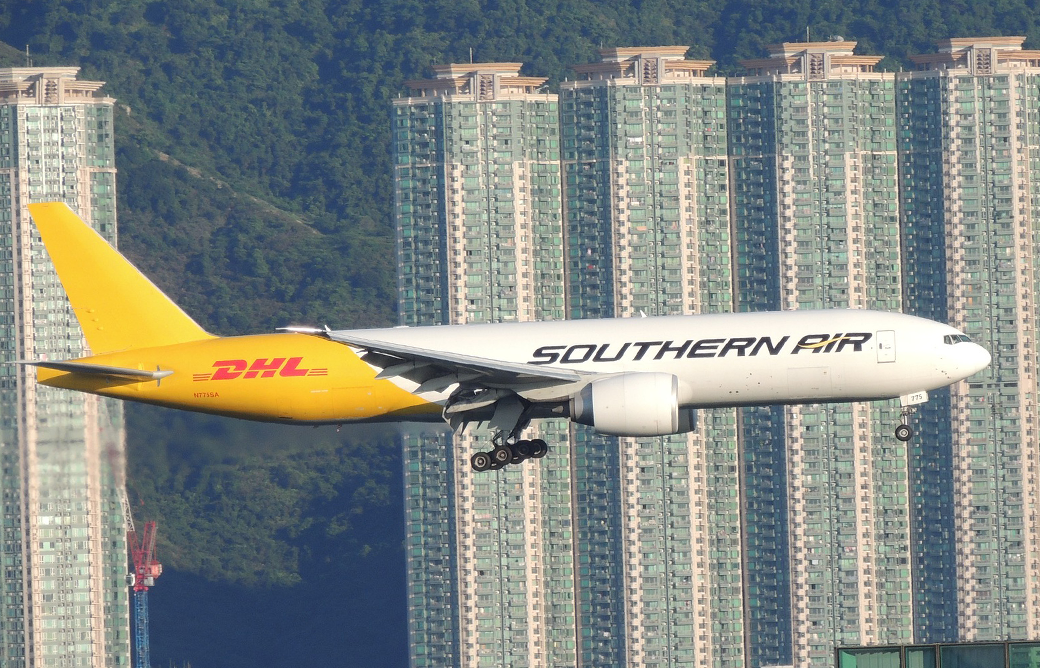
Air freight refers to the transportation of goods via an airplane. It is a fast and reliable mode of transportation that is often used to transport high-value, time-sensitive, or perishable goods.
The four types of air freight are general cargo, express shipments, special cargo, and dangerous goods. General cargo includes items such as clothing, electronics, and household goods. Express shipments are time-sensitive goods like documents or medical supplies. Special cargo refers to items that require special handling like live animals or oversized equipment. Dangerous goods are materials that pose a safety risk such as flammable or toxic materials.
The cost of air freight per kg depends on various factors like the weight and size of the shipment, the origin and destination, and the urgency of the delivery. Generally, the cost ranges from $2 to $10 per kg for standard shipments, but it can increase significantly for express or special cargo shipments.
Air cargo and air freight are often used interchangeably, but there is a slight difference between the two. Air freight refers to the transportation of goods by air, while air cargo refers to the goods themselves that are transported by air. In other words, air freight is the service of transporting air cargo.