Skip to content


In the fast-paced world we live in, the Freight Industry plays a pivotal role in ensuring the seamless movement of goods. From raw materials to finished products, the industry acts as the lifeline that keeps businesses thriving and customers satisfied. However, as demands increase and competition intensifies, the need to streamline operations becomes paramount.
Enter the realm of Artificial Intelligence (AI), an ingenious concept that is revolutionizing the way we approach Freight Logistics. With AI-powered solutions, businesses are unleashing unprecedented levels of efficiency, driving innovation, and propelling the freight industry into an exciting new era.
Gone are the days of traditional logistics approaches that relied heavily on manual processes and intuition. AI is the catalyst reshaping the landscape of Freight Transportation. By harnessing the power of Cutting-Edge AI Solutions, businesses can tap into a plethora of benefits that enhance productivity, accuracy, and overall performance.
Let’s embark on a journey to explore the ways in which AI is reshaping the Freight Industry and revolutionizing the way goods are transported worldwide.

As the freight industry embraces Cutting-Edge AI Solutions, a brighter future awaits. The synergy between human expertise and AI technology holds the key to unlocking unprecedented levels of productivity, efficiency, and innovation. By leveraging the power of AI in Freight Logistics, businesses can stay one step ahead of the competition, meet customer demands with precision, and navigate the dynamic landscape of the global market.
So, fasten your seatbelts, dear readers, and get ready to embark on a remarkable journey where the world of Freight Logistics collides with the boundless potential of Artificial Intelligence. Together, we will navigate the ever-evolving landscape of the freight industry and witness the transformative power of AI in action. Let’s embrace this revolution and unlock the true potential of Freight Transportation in the digital age!
To meet the demands of a highly competitive market, the industry is turning to Artificial Intelligence (AI) as a game-changing solution. By leveraging AI in Freight Logistics and Freight Transportation, businesses are unlocking a myriad of benefits that drive efficiency, enhance customer satisfaction, and revolutionize the way goods are moved. Let’s explore 15 remarkable benefits that AI brings to the table:
| Benefits | Explanation |
|---|---|
| 1. Enhanced Route Optimization | AI algorithms analyze various factors, such as traffic patterns, delivery priorities, and real-time data, to create optimized routes that minimize travel time and reduce costs. |
| 2. Real-Time Tracking and Visibility | AI-powered tracking systems provide real-time visibility into the movement of goods, enabling businesses to monitor shipments, anticipate delays, and ensure a transparent supply chain. |
| 3. Improved Demand Forecasting | AI algorithms analyze historical and real-time data to accurately forecast demand, enabling businesses to optimize inventory levels, reduce stockouts, and streamline supply chain operations. |
| 4. Intelligent Warehouse Management | AI-driven warehouse management systems automate inventory management, optimize space utilization, and improve order fulfillment accuracy, leading to enhanced efficiency and cost savings. |
| 5. Predictive Maintenance | AI analyzes equipment data to predict maintenance needs, allowing businesses to proactively schedule maintenance, reduce downtime, and extend the lifespan of critical assets. |
| 6. Efficient Last-Mile Delivery | AI optimizes last-mile delivery by considering variables like delivery windows, traffic conditions, and customer preferences, ensuring faster and more cost-effective deliveries. |
| 7. Data-Driven Decision Making | AI enables businesses to make data-driven decisions by analyzing vast amounts of information, uncovering patterns, and providing actionable insights for strategic planning and operational improvements. |
| 8. Error Reduction and Quality Control | AI-powered systems minimize human errors in tasks such as order processing, labeling, and sorting, ensuring higher accuracy and quality control throughout the logistics process. |
| 9. Cost Savings | AI helps businesses optimize operations, reduce inefficiencies, and minimize expenses related to fuel consumption, labor, maintenance, and inventory management, leading to significant cost savings. |
| 10. Enhanced Customer Experience | AI enables businesses to provide real-time tracking, accurate delivery estimates, and proactive notifications to customers, resulting in improved transparency, reliability, and overall customer satisfaction. |
| 11. Fraud Detection and Security | AI algorithms can identify patterns and anomalies in data, enabling businesses to detect and prevent fraudulent activities, ensuring the security and integrity of the freight logistics process. |
| 12. Compliance and Risk Management | AI helps businesses ensure compliance with regulations, monitor and manage risks, and identify potential issues in areas such as safety, security, and legal requirements. |
| 13. Sustainability and Environmental Impact | AI facilitates eco-friendly practices by optimizing route planning, reducing fuel consumption, minimizing emissions, and promoting greener transportation methods, contributing to a more sustainable freight industry. |
| 14. Scalability and Flexibility | AI-powered systems can handle large volumes of data and adapt to changing business needs, allowing companies to scale their operations, accommodate growth, and remain agile in a dynamic market. |
| 15. Competitive Advantage | By leveraging AI in freight logistics, businesses gain a competitive edge through increased efficiency, improved customer service, cost savings, and the ability to innovate and adapt to market demands more effectively. |
The integration of AI in Freight Logistics and Freight Transportation brings a multitude of benefits that revolutionize the industry. From optimized route planning to real-time tracking, demand forecasting to error reduction, AI drives efficiency, cost savings, and customer satisfaction.
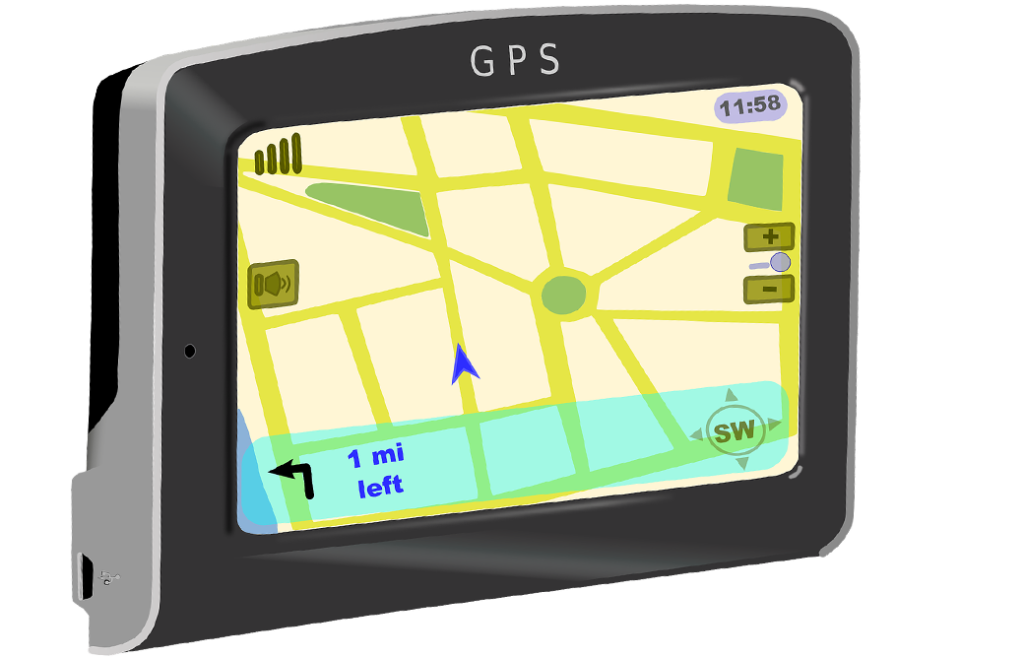
In the vast realm of Freight Logistics and Freight Transportation, efficiency and cost-effectiveness are key factors that drive success. One of the revolutionary ways businesses are achieving optimization is through AI-powered route optimization. This cutting-edge technology is transforming the industry, redefining how goods are transported and paving the way for a more streamlined and efficient supply chain.
Navigating the complexities of the freight industry involves intricate route planning, taking into account numerous variables such as delivery priorities, traffic conditions, fuel consumption, and delivery time windows. Manual route planning is time-consuming, error-prone, and often fails to account for real-time changes and dynamic factors. This is where AI steps in to revolutionize Freight Logistics.
AI-powered route optimization systems leverage advanced algorithms and vast amounts of data to create optimized routes tailored to specific logistical requirements. Let’s explore how AI transforms the route planning process and unlocks numerous benefits for businesses:
As technology advances, AI-powered route optimization is becoming an indispensable tool for businesses in the freight industry. By harnessing the power of AI, companies can unlock unparalleled efficiency, reduce costs, enhance customer satisfaction, and drive sustainable growth.
In this dynamic and competitive world, staying ahead requires embracing innovation and leveraging cutting-edge solutions. AI-powered route optimization empowers businesses to navigate the complexities of Freight Logistics with ease, revolutionizing the way goods are transported and setting new standards for efficiency and productivity.
So, buckle up and embrace the future of Freight Transportation with AI-powered route optimization. Discover the transformative impact it can have on your business, unlocking new levels of success in the ever-evolving world of freight logistics.

Traditional maintenance practices often rely on reactive or scheduled approaches, which can be costly and lead to unexpected downtime. However, the emergence of predictive maintenance powered by advanced technologies is transforming the Freight Industry. By harnessing the power of data and analytics, predictive maintenance is revolutionizing asset management and driving efficiency like never before.
Assets play a vital role in Freight Transportation, including vehicles, machinery, equipment, and infrastructure. Effectively managing these assets is essential to maximize uptime, reduce maintenance costs, and optimize resource allocation. However, the traditional “break-fix” or scheduled maintenance approaches have limitations, as they often result in excessive downtime, unexpected failures, and unnecessary expenses.
Predictive maintenance takes asset management to the next level by utilizing advanced technologies, such as Artificial Intelligence (AI) and Internet of Things (IoT) sensors, to gather real-time data and analyze it for insights. This data-driven approach enables businesses to predict asset failures, identify maintenance needs in advance, and proactively schedule repairs or replacements, preventing costly breakdowns and optimizing maintenance operations.
Let’s explore the remarkable benefits that predictive maintenance brings to the Freight Industry, revolutionizing asset management:
In the ever-evolving world of Freight Logistics, predictive maintenance is reshaping asset management practices and providing a competitive edge to businesses. By harnessing the power of data, analytics, and advanced technologies, companies can unlock the full potential of their assets, improve operational efficiency, and deliver exceptional service to customers.
So, embrace the future of the Freight Industry by adopting predictive maintenance. Experience reduced downtime, cost savings, improved safety, and extended asset lifespans. With predictive maintenance, you can revolutionize your asset management approach and pave the way for a more efficient and successful freight logistics operation.
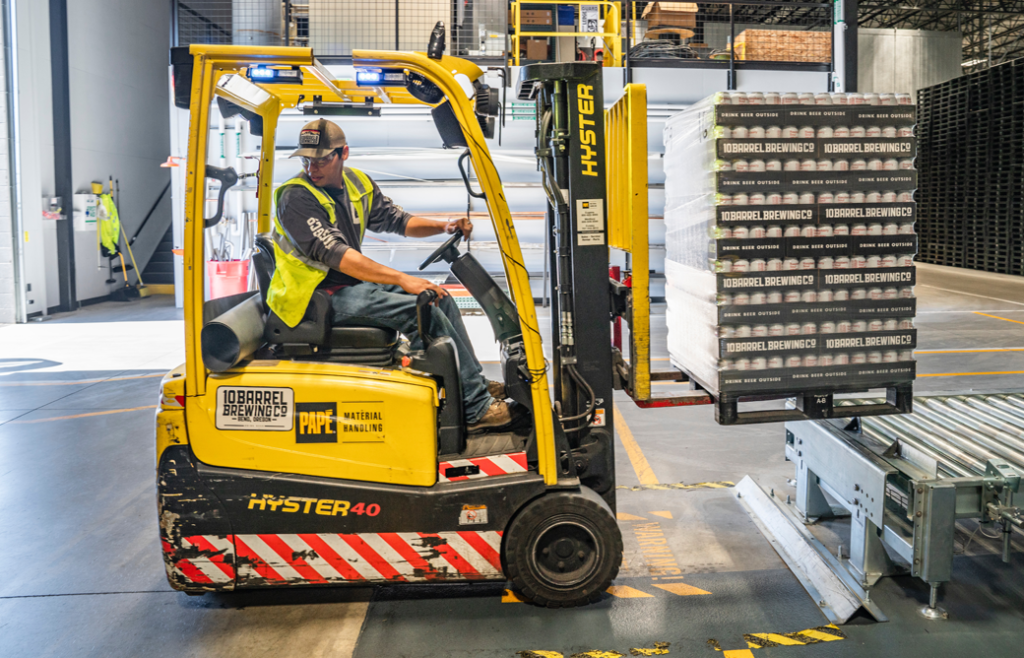
With the advent of advanced technologies and Artificial Intelligence (AI), a new era of Intelligent Warehouse Management has emerged, transforming the way goods are stored, organized, and shipped in the Freight Industry.
Warehouses serve as the central hubs for storing, sorting, and distributing goods. Effective warehouse management involves optimizing space utilization, streamlining inventory management, and ensuring accurate order fulfillment. However, traditional approaches relying solely on manual labor and legacy systems face limitations in meeting the increasing demands and complexities of modern freight logistics.
Intelligent Warehouse Management harnesses the power of AI, automation, and data analytics to revolutionize warehouse operations. By integrating intelligent technologies, businesses can optimize processes, enhance productivity, and achieve remarkable efficiency gains in their logistics operations.
Let’s explore the extraordinary benefits that Intelligent Warehouse Management brings to the Freight Industry, transforming the way warehouses operate:
In the evolving landscape of Freight Logistics, Intelligent Warehouse Management is reshaping the way warehouses operate, delivering unprecedented efficiency gains and operational excellence. By leveraging AI, automation, and data-driven insights, businesses can optimize space utilization, streamline inventory management, and achieve remarkable accuracy in order fulfillment.
Embrace the future of the Freight Industry by adopting Intelligent Warehouse Management. Experience increased efficiency, improved order accuracy, and enhanced customer satisfaction. With Intelligent Warehouse Management, you can elevate your warehouse operations to new heights, meeting the demands of modern freight logistics with ease.
Traditional supply chain management often involves fragmented information, delayed updates, and limited visibility, leading to inefficiencies and missed opportunities. However, with the advent of advanced technologies, such as Internet of Things (IoT) and data analytics, real-time tracking and supply chain visibility have become game-changers in the Freight Industry.
Efficient supply chain management relies on accurate and timely information about the location, condition, and status of shipments. Lack of visibility can result in lost or delayed shipments, inadequate inventory management, and dissatisfied customers. This is where real-time tracking and supply chain visibility come into play, revolutionizing the way businesses operate and enabling them to make informed decisions.
Real-time tracking and supply chain visibility leverage technologies like IoT sensors, GPS, and cloud computing to provide instant access to shipment data and insights. Let’s explore the remarkable benefits that real-time tracking and supply chain visibility bring to the Freight Industry:
In the ever-evolving landscape of Freight Logistics, real-time tracking and supply chain visibility have become essential tools for businesses seeking to gain a competitive edge. By harnessing the power of IoT, data analytics, and cloud computing, companies can unlock the potential of their supply chains, achieving greater efficiency, improved customer satisfaction, and enhanced decision-making capabilities.
Embrace the future of the Freight Industry by adopting real-time tracking and supply chain visibility. Experience end-to-end visibility, proactive risk management, and optimized operations. With real-time tracking and supply chain visibility, you can transform your freight logistics operations and thrive in a dynamic and interconnected world.
In the fast-paced world of Freight Logistics and Freight Transportation, the final leg of delivery, known as the last-mile, holds immense importance. Last-mile delivery is the final step in getting goods from distribution centers to the customers’ doorsteps. It is a critical stage where efficiency, speed, and customer satisfaction are paramount. Fortunately, with the advent of Artificial Intelligence (AI), last-mile delivery optimization has reached new heights, transforming the Freight Industry in unprecedented ways.
Last-mile delivery represents the final interaction between businesses and their customers. It is the point where the customer experience is shaped, and satisfaction is determined. However, last-mile delivery comes with its own set of challenges, including route optimization, time constraints, traffic congestion, and the need for prompt and accurate deliveries.
AI technologies, such as machine learning, predictive analytics, and route optimization algorithms, have revolutionized last-mile delivery optimization. By harnessing the power of AI, businesses can streamline operations, improve efficiency, and elevate the customer experience. Let’s explore the remarkable benefits that AI brings to last-mile delivery:
In the ever-evolving landscape of Freight Logistics, AI is driving the transformation of last-mile delivery. By adopting AI-powered solutions, businesses can unlock the potential of their last-mile operations, improving efficiency, reducing costs, and elevating the customer experience.
Embrace the future of the Freight Industry by leveraging AI for last-mile delivery optimization. Experience optimized routes, dynamic scheduling, and enhanced customer communication. With AI as your ally, you can revolutionize your last-mile delivery operations, outpace the competition, and exceed customer expectations in the dynamic world of freight logistics.
Warehousing plays a crucial role in freight logistics by providing a centralized location for storing, organizing, and distributing goods. It ensures efficient inventory management, facilitates order fulfillment, and enables seamless transportation connections between suppliers, manufacturers, and customers.
The five essential warehouse management processes are:
Receiving: The process of accepting and inspecting incoming shipments, verifying quantities and quality, and updating inventory records.
Put-away: The process of organizing and storing received goods in designated locations within the warehouse, optimizing space utilization and facilitating easy retrieval.
Order picking: The process of retrieving items from their storage locations to fulfill customer orders accurately and efficiently.
Packing and shipping: The process of packaging ordered items securely and preparing them for shipment, including labeling, documentation, and arranging transportation.
Inventory control: The process of managing and maintaining accurate inventory records, monitoring stock levels, conducting periodic counts, and implementing measures to prevent stockouts or excess inventory.
Logistics and warehouse management are closely related aspects of supply chain management. Logistics involves the planning, execution, and control of the flow of goods, services, and information between different points in the supply chain.
Warehouse management focuses specifically on the efficient storage, handling, and movement of goods within a warehouse or distribution center.
Effective warehouse management is critical for successful logistics operations, ensuring proper inventory management, timely order fulfillment, and seamless coordination with transportation activities.
The six basic principles of warehouse management are:
Optimization of space: Efficiently utilize available warehouse space through proper layout design, racking systems, and space allocation for different product categories.
Accuracy in inventory: Maintain accurate and up-to-date inventory records to minimize errors, prevent stockouts, and ensure timely replenishment.
Efficient material handling: Streamline material handling processes, including receiving, put-away, order picking, and shipping, to minimize time and effort while maximizing productivity.
Optimization of labor: Optimize labor utilization through proper planning, training, and efficient workflow design, ensuring tasks are assigned effectively and workers are equipped with the necessary tools and resources.
Effective use of technology: Leverage technology solutions, such as warehouse management systems (WMS), barcode scanning, and automation, to enhance accuracy, efficiency, and visibility in warehouse operations.
Continuous improvement: Embrace a culture of continuous improvement, regularly evaluating and refining processes, implementing best practices, and seeking opportunities to enhance warehouse performance and customer satisfaction.