Skip to content


When it comes to import and export of goods, there are many challenges you’ll face. One of the most critical aspects of the process is documentation and customs clearance. Without the right paperwork, your cargo may never reach its destination. In this article, we’ll discuss everything you need to know about import and export documentation and customs clearance to ensure a successful shipment.
Import and export documentation is the process of preparing and submitting the necessary paperwork for your shipment. The paperwork includes documents such as commercial invoices, packing lists, bills of lading, and more. These documents provide customs officials with detailed information about the shipment, including the goods’ value, origin, and destination.

The importance of import and export documentation cannot be overstated. Proper documentation ensures that your shipment complies with local regulations, avoids delays, and reaches its destination on time. Additionally, documentation helps mitigate the risk of legal issues, such as fines or the seizure of your cargo. It’s crucial to have a clear understanding of the requirements for import and export documentation for both the country of origin and the destination country.
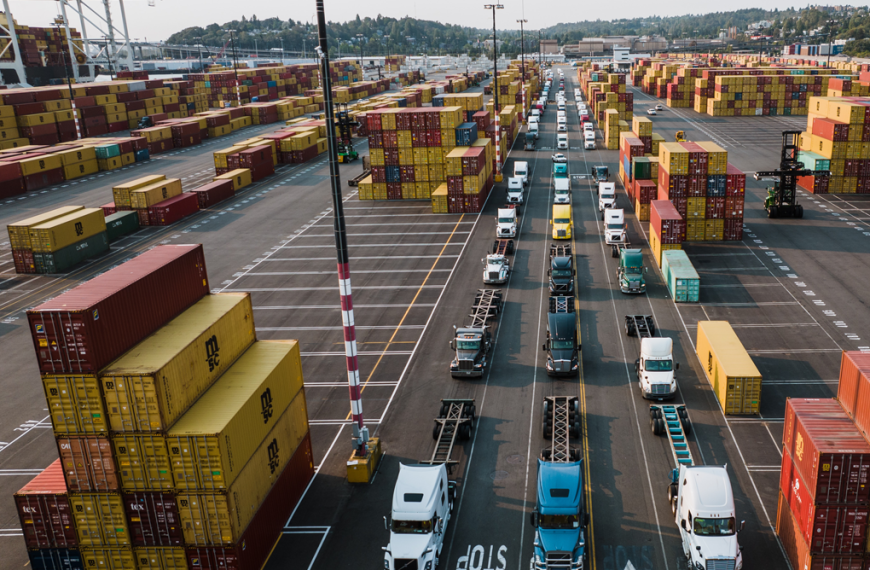
Customs clearance is the process of verifying that your shipment complies with all local regulations and laws. The customs clearance process typically includes an inspection of your shipment by customs officials to ensure that it meets all requirements. During the inspection, officials may verify that the documentation matches the contents of the shipment and that the goods meet any necessary safety or environmental standards.
Customs clearance is a critical part of the import and export process. Without proper clearance, your shipment may be delayed, or even worse, rejected entirely. A successful customs clearance process is essential for ensuring that your goods arrive at their destination on time and in good condition.
Freight forwarders play a vital role in the import and export process. They are responsible for coordinating the shipment and ensuring that all necessary paperwork is in order. Freight forwarders can also assist with customs clearance by providing guidance on regulations and laws, ensuring compliance with local requirements, and helping to resolve any issues that may arise.
Import and export documentation and customs clearance are critical aspects of the import and export process. Understanding the requirements for documentation and customs clearance, and working with experienced freight forwarders, can help ensure a successful shipment. Remember to prepare all necessary paperwork, ensure compliance with local regulations, and work closely with your freight forwarder to address any issues that may arise. With these tips in mind, you’ll be well on your way to a successful import and export process.
Importing and exporting goods can be a lucrative business, but it’s crucial to understand the requirements for successful import and export documentation and customs clearance. Failure to comply with regulations can result in costly delays and fines. In this article, we’ll discuss some key tips for understanding the requirements for successful import and export documentation and customs clearance.
The first step in understanding the requirements for successful import and export documentation and customs clearance is to research the regulations. Regulations vary by country, so it’s essential to understand the regulations for the country you’re exporting from and the country you’re importing to. You can find information on regulations from government agencies and industry associations.

Customs documentation is a crucial part of successful import and export documentation and customs clearance. It’s essential to understand the required documentation, including commercial invoices, packing lists, bills of lading, and certificates of origin. Each document serves a specific purpose and must be completed accurately to avoid delays and fines.
Working with experienced freight forwarders can make the process of import and export documentation and customs clearance much smoother. Freight forwarders have experience navigating regulations and can help you understand the requirements for your specific shipment. They can also handle the documentation and logistics for you, saving you time and reducing the risk of errors.
Incoterms are a set of international trade terms that define the responsibilities of buyers and sellers in international transactions. Understanding Incoterms is essential for successful import and export documentation and customs clearance. Incoterms dictate the responsibilities for shipping, insurance, and customs clearance, among other things. Failing to understand and comply with Incoterms can result in delays and fines.
Keeping accurate records is essential for successful import and export documentation and customs clearance. Records should include all documentation related to the shipment, including bills of lading, customs declarations, and invoices. Accurate records can help you avoid delays and fines and can be used to resolve any issues that may arise during customs clearance.
Understanding the requirements for air freight and sea freight is essential for successful import and export documentation and customs clearance. Air freight and sea freight have different requirements, including documentation, packing, and labeling. It’s essential to understand the specific requirements for your shipment to avoid delays and fines.
Regulations for import and export documentation and customs clearance are constantly changing, so it’s essential to stay up-to-date on regulations. Subscribe to industry newsletters and government agencies to stay informed on any changes that may affect your shipments. Staying up-to-date can help you avoid delays and fines and ensure successful customs clearance.
Understanding the requirements for successful import and export documentation and customs clearance is crucial for any business involved in international trade. Researching regulations, understanding customs documentation, working with experienced freight forwarders, understanding Incoterms, keeping accurate records, understanding the requirements for air freight and sea freight, and staying up-to-date on regulations are all key tips for successful import and export documentation and customs clearance. By following these tips, you can ensure your shipments arrive at their destination on time and avoid costly delays and fines.

When it comes to importing or exporting goods, one of the most important decisions you will make is choosing the right mode of transportation. The two most common options are air freight and sea freight. Each option has its own advantages and disadvantages, and choosing the right one can make a big difference in terms of cost, speed, and reliability.
Air freight is often the fastest and most reliable mode of transportation for imports and exports. It is particularly useful for urgent shipments or products that have a short shelf life, such as fresh produce or pharmaceuticals. Air freight also offers the benefit of being able to transport goods to almost any destination in the world, making it a popular choice for businesses that need to move goods quickly across long distances.
However, air freight can be expensive, especially for large or heavy shipments. It is also subject to various regulations and restrictions, including weight limits and hazardous material restrictions. Additionally, the high cost of air freight means that it may not be the most economical option for businesses that need to transport large quantities of goods.
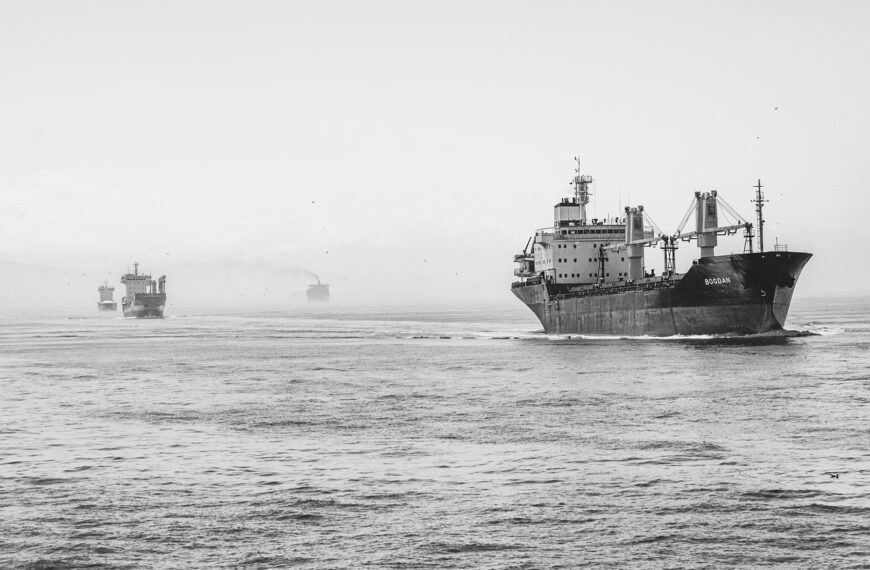
Sea freight is a popular option for businesses that need to transport large quantities of goods over long distances. It is generally more cost-effective than air freight, and it is also able to transport larger and heavier goods, such as machinery or vehicles. Sea freight also offers the advantage of being able to transport goods in bulk, which can help to reduce shipping costs.
However, sea freight is generally slower than air freight, and it is subject to delays due to weather conditions or port congestion. It can also be more difficult to track shipments during transit, which can make it harder for businesses to plan their logistics. Finally, sea freight is subject to various regulations and restrictions, including customs clearance requirements and restrictions on hazardous materials.
When choosing between air freight and sea freight, it is important to consider your specific needs and requirements. Some factors to consider include:
In some cases, businesses may choose to use a combination of both air and sea freight, depending on their specific needs. This can help to balance cost and speed, while still ensuring that goods are transported safely and reliably.
In conclusion, choosing the right mode of transportation is a crucial decision when it comes to import and export logistics. By considering your specific needs and requirements, you can choose between air freight and sea freight and ensure that your goods are transported safely, reliably, and cost-effectively.
When it comes to importing or exporting goods, navigating the complex world of customs clearance can be a daunting task. That’s where a customs broker comes in. A customs broker is a licensed professional who specializes in assisting importers and exporters with customs clearance procedures.
Using a customs broker can greatly streamline the process and help ensure that your goods are cleared through customs quickly and efficiently. Here are some key benefits of using a customs broker:
When choosing a customs broker, it’s important to choose a reputable and experienced professional. Look for a broker who is licensed by the relevant authorities and who has a proven track record of success in assisting clients with customs clearance.
In terms of transportation modes, customs brokers can assist with both air freight and sea freight shipments. They can also help with other modes of transportation, such as trucking or rail.
Overall, using a customs broker can be a smart choice for importers and exporters looking to streamline the customs clearance process and ensure compliance with all relevant regulations and requirements.
Be Accurate and Detailed
When it comes to import and export documentation and customs clearance, accuracy and attention to detail are crucial. One small mistake or omission can result in significant delays or even fines. That’s why it’s essential to take the time to ensure that your documents are accurate and complete.
Here are some tips to help you be accurate and detailed in your import and export documentation:
In summary, being accurate and detailed in your import and export documentation is crucial to successful customs clearance. Double-check all information, use the correct terminology, provide detailed descriptions, include all required documents, be consistent, don’t leave anything out, and review everything one last time. By following these tips, you can help ensure that your shipment clears customs smoothly and without delay.