Skip to content

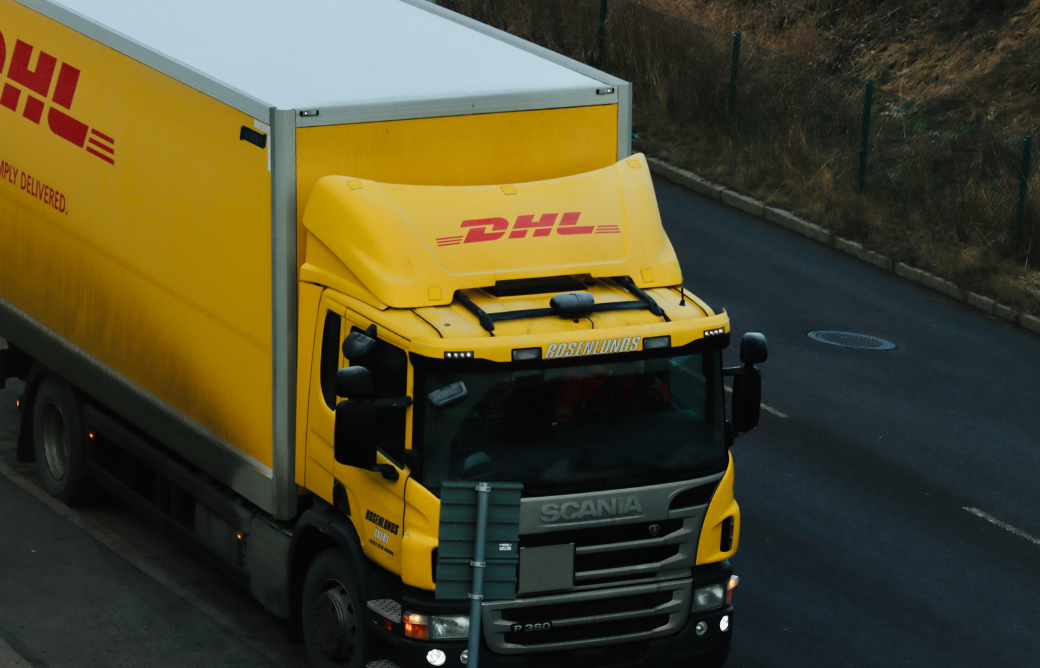
Freight forwarding plays a critical role in global trade, enabling the efficient and cost-effective movement of goods across borders. At its core, freight forwarding involves the coordination and management of various logistics services, such as transportation, customs clearance, warehousing, and distribution, to ensure that goods are delivered to their destination in a timely and cost-effective manner.
In today’s globalized economy, businesses of all sizes rely on freight forwarding to ensure the smooth and timely movement of their products. However, with the ever-increasing complexity of international trade regulations and supply chain management, it can be challenging for companies to manage these logistics services on their own.
This is where freight forwarders come in. Freight forwarders are experts in international trade regulations, transportation modes, and supply chain management. They provide a range of services that help businesses to manage their logistics needs more efficiently and effectively.
In the next sections of this blog post, we will take a closer look at what freight forwarding is, the services provided by freight forwarders, and the benefits of using freight forwarders in global trade. We will also discuss some of the challenges and risks associated with freight forwarding and offer some best practices for working with freight forwarders.
Freight forwarding is the coordination and management of various logistics services required to move goods from one location to another, typically across international borders. It involves the planning and execution of the transportation, customs clearance, warehousing, and distribution of goods.
Freight forwarding can be provided by a range of companies, including traditional freight forwarders, shipping lines, airlines, trucking companies, and courier services. However, traditional freight forwarders are the most common providers of these services.
At its core, freight forwarding is about ensuring that goods are moved from their point of origin to their destination in a timely and cost-effective manner. Freight forwarders work with their clients to identify the best transportation modes and routes, and manage the logistics services required to move the goods.
The services provided by freight forwarders can vary depending on the needs of their clients. Some of the most common services include:
The benefits of using freight forwarding services are numerous. First and foremost, freight forwarders are experts in international trade regulations, transportation modes, and supply chain management. They can provide their clients with invaluable knowledge and expertise, helping them to navigate the complexities of global trade.
Freight forwarders can also help businesses to reduce costs and improve efficiency in their supply chain management. By leveraging their expertise and networks, they can identify the most cost-effective transportation options and routes, and manage the logistics services required to move goods in a timely and efficient manner.
In summary, freight forwarding is a critical component of global trade. It involves the coordination and management of various logistics services, including transportation, customs clearance, warehousing, and distribution, to ensure that goods are delivered to their destination in a timely and cost-effective manner. Freight forwarders provide a range of services that help businesses to manage their logistics needs more efficiently and effectively, making them an essential partner for any company involved in international trade.

Freight forwarders provide a range of services that help businesses to manage their logistics needs more efficiently and effectively. These services are designed to ensure that goods are delivered to their destination in a timely and cost-effective manner, while also minimizing risk and ensuring compliance with international trade regulations.
Here are some of the most common services provided by freight forwarders:
Freight forwarders can consolidate shipments from multiple clients to create full container loads or other cost-effective transportation options. They can also arrange for the transportation of goods by air, sea, or land, depending on the client’s needs.
Freight forwarders work with carriers to identify the most efficient and cost-effective transportation options for their clients. They also manage the transportation process from start to finish, including the booking of cargo space, the preparation of shipping documentation, and the tracking of shipments.
Freight forwarders are experts in navigating the complex regulations and procedures involved in customs clearance. They can handle all of the required documentation, including bills of lading, commercial invoices, and packing lists, and ensure that goods are cleared through customs in a timely and efficient manner.
Freight forwarders also have the expertise to deal with any customs-related issues that may arise, such as inspections or customs duty payments.
Freight forwarders can arrange for the storage of goods in warehouses or distribution centers until they are ready to be transported to their final destination. They can also manage the delivery of goods to their final destination, including the coordination of transportation, customs clearance, and final delivery.
Freight forwarders can provide a range of distribution options, including direct-to-store delivery, cross-docking, and multi-destination deliveries.
Freight forwarders can provide insurance coverage for goods in transit, including cargo insurance, liability insurance, and other risk management solutions. They can also advise clients on best practices for minimizing risk and ensuring compliance with international trade regulations.
Freight forwarders work closely with their clients to understand their specific logistics needs and develop customized solutions that meet their unique requirements. They provide a range of value-added services, including supply chain consulting, trade compliance assistance, and freight cost analysis.
| Service | Brief Explanation |
|---|---|
| Freight Consolidation | Combine shipments to create cost-effective transportation options |
| Transportation | Arrange shipping by air, sea, or land, and manage the process |
| Customs Clearance | Handle documentation and ensure goods clear customs efficiently |
| Warehousing and Distribution | Provide storage and manage delivery to final destination |
| Insurance and Risk Management | Provide insurance coverage and advice on risk minimization |
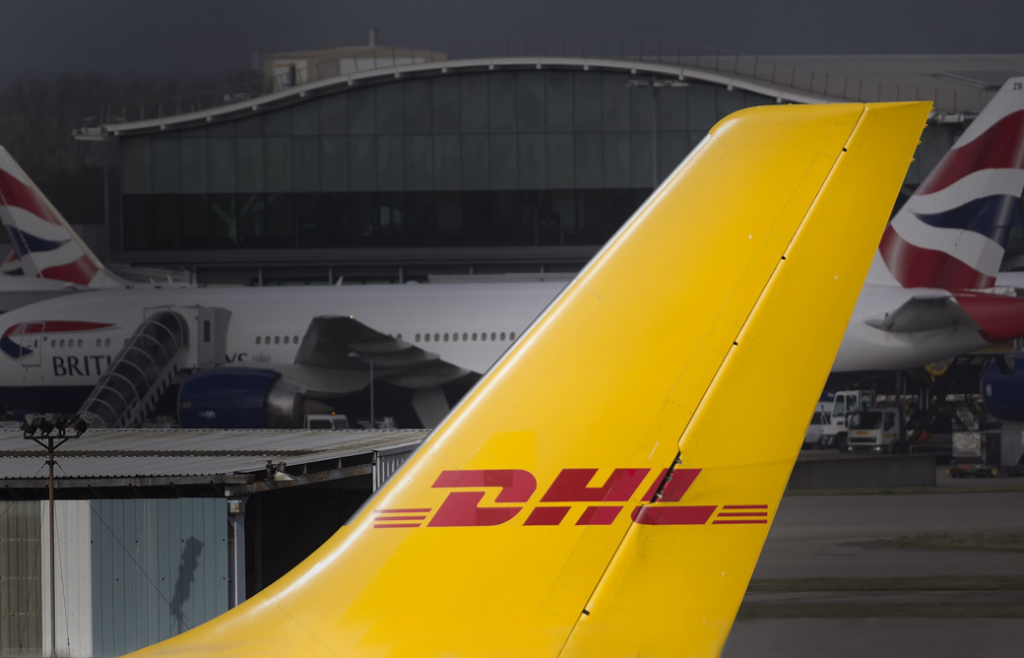
Freight forwarding can be a complex and time-consuming process, especially for businesses that are new to international trade. Fortunately, there are freight forwarders who can provide a range of services to help businesses manage their logistics needs more efficiently and effectively. Here are some of the key benefits of using freight forwarders:
Freight forwarders have the expertise and experience to handle all aspects of the shipping process, from transportation to customs clearance and documentation. They have a deep understanding of international trade regulations and can navigate complex customs procedures with ease. This can help businesses to avoid costly mistakes and delays and ensure that their goods are delivered to their destination in a timely and efficient manner.
Freight forwarders can help businesses to save money on shipping costs by consolidating shipments, negotiating better rates with carriers, and identifying the most cost-effective transportation options. They can also help businesses to avoid costly penalties and fines by ensuring compliance with international trade regulations.
Freight forwarders can save businesses valuable time by managing the entire shipping process from start to finish. They can handle all of the required documentation, including bills of lading, commercial invoices, and packing lists, and ensure that goods are cleared through customs in a timely and efficient manner. This can free up valuable time for businesses to focus on other important aspects of their operations.
Freight forwarders can help businesses to manage risk by providing insurance coverage for goods in transit and advising on best practices for minimizing risk. They can also help businesses to avoid potential legal issues by ensuring compliance with international trade regulations.
Freight forwarders can provide customized logistics solutions to meet the unique needs of businesses. They can work closely with businesses to understand their specific requirements and develop customized solutions that meet their needs. This can help businesses to optimize their logistics operations and improve their overall supply chain efficiency.
| Benefit | Brief Explanation |
|---|---|
| Expertise and Experience | Knowledgeable professionals to handle all aspects of the shipping process |
| Cost Savings | Consolidate shipments, negotiate rates, and identify cost-effective options |
| Time Savings | Manage shipping process, handle documentation, and clear customs efficiently |
| Risk Management | Provide insurance coverage and advice on risk minimization |
| Customized Solutions | Tailor logistics solutions to meet specific business needs |
Freight forwarding is an essential component of international trade, but it is not without its challenges and risks. Here are some of the key challenges and risks that businesses should be aware of when working with freight forwarders:
One of the most significant challenges in freight forwarding is the potential for delays and disruptions. These can be caused by a range of factors, including weather conditions, port congestion, and transportation breakdowns. Delays and disruptions can be costly for businesses, causing production delays and missed deadlines.
Customs compliance is a critical aspect of freight forwarding, and failure to comply with customs regulations can result in significant fines and penalties. Customs regulations are complex and vary from country to country, making compliance a significant challenge for businesses.
Freight forwarding involves the transportation of goods over long distances, often through multiple countries and transportation modes. This can make shipments vulnerable to theft, damage, and other security risks.
Insurance coverage is essential for protecting shipments against loss, damage, or theft. However, not all freight forwarders offer insurance coverage, and businesses need to ensure that they have adequate coverage in place to protect their goods.
Effective communication is essential in freight forwarding, but language barriers and cultural differences can pose significant challenges. Misunderstandings or miscommunications can lead to errors, delays, and other problems.
Freight forwarding is subject to price fluctuations, which can be caused by a range of factors, including fuel prices, currency exchange rates, and supply and demand. These fluctuations can make it difficult for businesses to budget and plan effectively.
| Challenge/Risk | Brief Explanation |
|---|---|
| Delays and Disruptions | Potential for delays caused by weather, port congestion, and transportation breakdowns |
| Customs Compliance | Complex regulations that vary by country, leading to fines and penalties for non-compliance |
| Security Risks | Shipment vulnerability to theft, damage, and other security risks |
| Insurance Coverage | Not all freight forwarders offer insurance coverage, leaving shipments unprotected |
| Communication Issues | Language barriers and cultural differences leading to miscommunication and errors |
| Price Fluctuations | Price fluctuations caused by fuel prices, currency exchange rates, and supply and demand |

Freight forwarding is an essential part of international trade, and it is constantly evolving to keep up with changing market demands and technology advancements. Here are some of the latest trends and innovations in freight forwarding:
| Trend/Innovation | Brief Explanation |
|---|---|
| Digitalization | Adoption of digital platforms and technologies to streamline operations |
| Big Data | Use of data to optimize supply chain management and improve efficiency |
| Blockchain | Improved transparency and security through immutable record of transactions |
| Sustainability | Focus on reducing carbon footprint and promoting sustainable practices |
| Automation | Use of automation to reduce manual labor and streamline operations |
| Artificial Intelligence | Use of AI to improve forecasting, optimize routes, and reduce costs |
Digitalization is transforming the freight forwarding industry, with more and more companies adopting digital platforms and technologies to streamline their operations. This includes the use of cloud-based software, automated processes, and digital documentation.
Big data is being used in freight forwarding to provide insights into market trends, shipping routes, and transportation costs. This data is used to optimize supply chain management and improve efficiency.
Blockchain technology is being explored as a way to improve transparency and security in freight forwarding. By using blockchain technology, freight forwarders can create an immutable record of transactions, making it easier to track shipments and prevent fraud.
Sustainability is becoming increasingly important in the freight forwarding industry, with companies looking for ways to reduce their carbon footprint and promote sustainable practices. This includes the use of alternative fuels, optimizing shipping routes, and reducing packaging waste.
Automation is being used to streamline freight forwarding operations and reduce manual labor. This includes the use of automated warehouses, self-driving trucks, and drone deliveries.
Artificial intelligence is being used to improve forecasting, optimize routes, and reduce costs in freight forwarding. AI-powered solutions can analyze vast amounts of data to provide insights and recommendations for businesses.

Freight forwarding is an essential aspect of international trade, and working with a reliable and experienced freight forwarder can make all the difference in ensuring that your goods are transported safely and efficiently. Here are some best practices to consider when working with a freight forwarder:
| Best Practice | Brief Explanation |
|---|---|
| Choose the right forwarder | Research and select an experienced and reputable provider |
| Clear communication | Provide accurate information and requirements to the provider |
| Understand the costs | Understand the pricing structure and obtain a detailed quote |
| Plan ahead | Provide ample notice for logistics and transportation |
| Prepare goods for shipment | Proper packaging and labeling for safe transportation |
| Monitor shipment progress | Keep track and communicate regularly with the provider |
| Follow up | Follow up with provider to ensure satisfaction and build rapport |