Skip to content

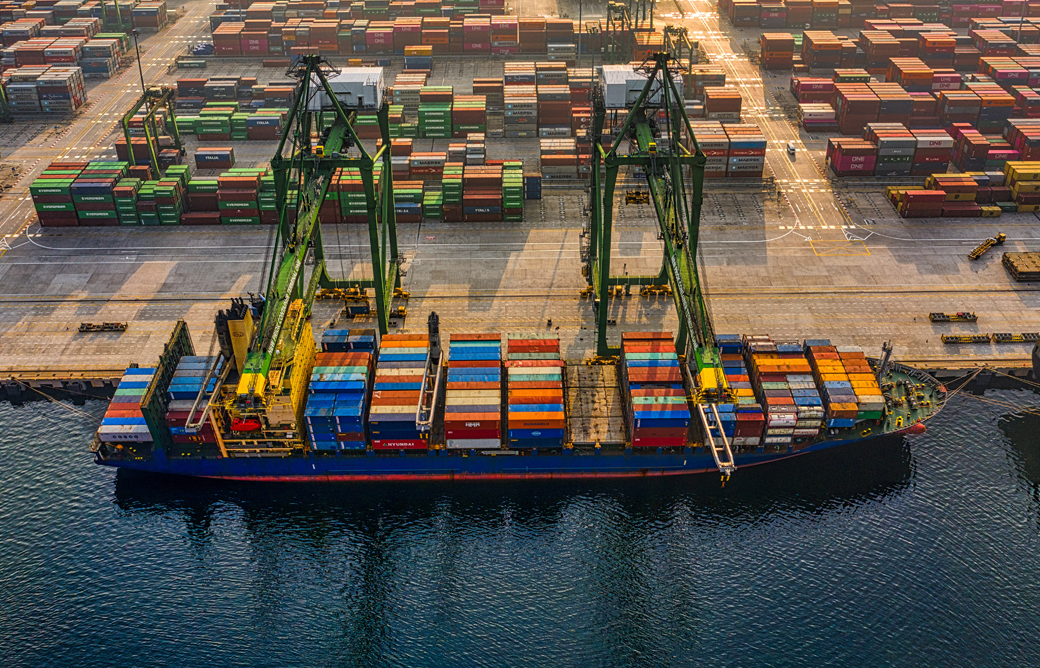
Sea Freight Logistics plays a vital role in global trade. Learn about its advantages, disadvantages, and future outlook in this comprehensive guide.
Sea freight logistics is a critical component of global trade. With over 90% of global trade transported by sea, it plays a pivotal role in facilitating international commerce. In this article, we will explore the different aspects of sea freight logistics, from the types of operations to the key players and stakeholders in the industry.
Sea freight logistics refers to the transportation of goods by sea from one location to another. It encompasses a range of activities, including cargo booking, vessel scheduling, customs clearance, and delivery of goods to the final destination. Sea freight logistics is a complex process that involves multiple parties, including freight forwarders, shipping lines, ports, and customs authorities.
Sea freight logistics is a vital link in the global supply chain. It provides an affordable and efficient mode of transportation for a wide range of goods, including bulk commodities, manufactured goods, and consumer products. Without sea freight logistics, global trade would be severely impacted, resulting in higher prices and reduced availability of goods.
Global trade relies heavily on sea freight logistics, which refers to the movement of goods by sea. As the world’s population grows and economies expand, the demand for goods and products increases, making sea freight logistics crucial for the global economy. In this article, we will explore the significance of sea freight logistics in global trade.
Sea freight logistics is one of the most cost-effective methods of transportation for goods. It is cheaper than air freight and often cheaper than land transportation, especially for bulk and heavy items. This cost-effectiveness allows businesses to transport goods across the world at a lower cost, making it possible for companies to sell their products at competitive prices.
Sea freight logistics has a large capacity for goods. Container ships can carry thousands of containers, making it easier for businesses to transport large quantities of goods across the world. This is especially important for businesses that need to transport a high volume of goods, such as manufacturers and distributors.
Sea freight logistics allows businesses to transport goods to virtually any destination in the world. With ports in every corner of the globe, businesses can reach even the most remote locations. This allows businesses to expand their market reach and sell their products in new markets, driving economic growth and development.
Sea freight logistics is one of the most environmentally friendly modes of transportation for goods. Compared to other modes of transportation, such as air freight and road transportation, sea freight logistics produces fewer greenhouse gas emissions. Additionally, container ships are becoming increasingly energy-efficient, making sea freight logistics an eco-friendly option for businesses.
Sea freight logistics is vital for the development of infrastructure in many countries. Ports, harbors, and other sea freight infrastructure help drive economic growth by facilitating the movement of goods across the world. This infrastructure provides jobs and boosts local economies, making sea freight logistics a significant contributor to economic development.
| Importance of Sea Freight Logistics | Description |
|---|---|
| Facilitates global trade | Sea freight logistics enables the movement of goods across different countries, allowing for international trade to thrive. |
| Cost-effective | Sea freight transportation is typically cheaper compared to other modes of transportation, making it a preferred choice for businesses. |
| Accommodates large shipments | Sea freight logistics can handle larger shipments that may not be possible with other modes of transportation. |
| Environmentally friendly | Compared to air freight transportation, sea freight is a more eco-friendly option, emitting less carbon dioxide. |
| Supports economic growth | Sea freight logistics plays a significant role in supporting economic growth by creating jobs and generating revenue for countries. |
In conclusion, sea freight logistics plays a crucial role in global trade. It is cost-effective, has a large capacity for goods, allows businesses to reach global destinations, is environmentally friendly, and helps drive infrastructure development in many countries. With the world’s population growing, demand for goods and products will continue to rise, making sea freight logistics an indispensable part of the global economy.

The sea freight industry is a vast and complex network of shipping lines, ports, and logistics providers. According to the United Nations Conference on Trade and Development (UNCTAD), global seaborne trade reached 11 billion tons in 2020, with a total value of over $14 trillion. The industry is highly competitive, with shipping lines and logistics providers vying for market share.
Let’s take a look at some other interesting statistics on the sea freight industry.
| Statistic | Description |
|---|---|
| Global trade by sea | Over 90% of the world’s trade is carried by sea, making sea freight industry a vital part of the global economy. |
| Container throughput | In 2020, container throughput at the world’s busiest port, Shanghai, reached 43.5 million twenty-foot equivalent units (TEUs). |
| Top container shipping companies | In 2020, Maersk Line was the world’s leading container shipping company, with a market share of 16.6%. |
| Average vessel size | The average size of container vessels has increased from 5,000 TEUs in 2005 to over 12,000 TEUs in 2021, as shipping companies strive for economies of scale. |
| CO2 emissions | The sea freight industry is responsible for approximately 3% of global carbon dioxide emissions, with container ships accounting for the majority of emissions. |
| Trade volume | The global trade volume transported by sea is expected to reach 12.3 billion tons by 2023, representing an increase of 3.6% from 2019. |
In conclusion, the sea freight industry plays a vital role in global trade, and these statistics highlight its growth, key players, trade routes, and environmental impact. Understanding these statistics can help businesses make informed decisions about their logistics and supply chain strategies.
The sea freight industry involves a range of players, including shipping lines, freight forwarders, ports, and customs authorities. The key stakeholders in the industry include:
Sea freight logistics involves a range of operations, including:
There are several types of vessels used in sea freight logistics, each with their own unique capabilities and limitations. These include:
| Vessel Type | Description |
|---|---|
| Container Ships | These are designed to carry large quantities of cargo in standard-sized containers. They are the most common type of vessel used in sea freight logistics. |
| Bulk Carriers | These are designed to transport loose cargo such as coal, grain, and ore. They have large cargo holds and are equipped with cranes to load and unload cargo. |
| Tankers | These are designed to transport liquid cargo such as oil, chemicals, and liquefied natural gas. They have specialized tanks and pumps to load and unload cargo. |
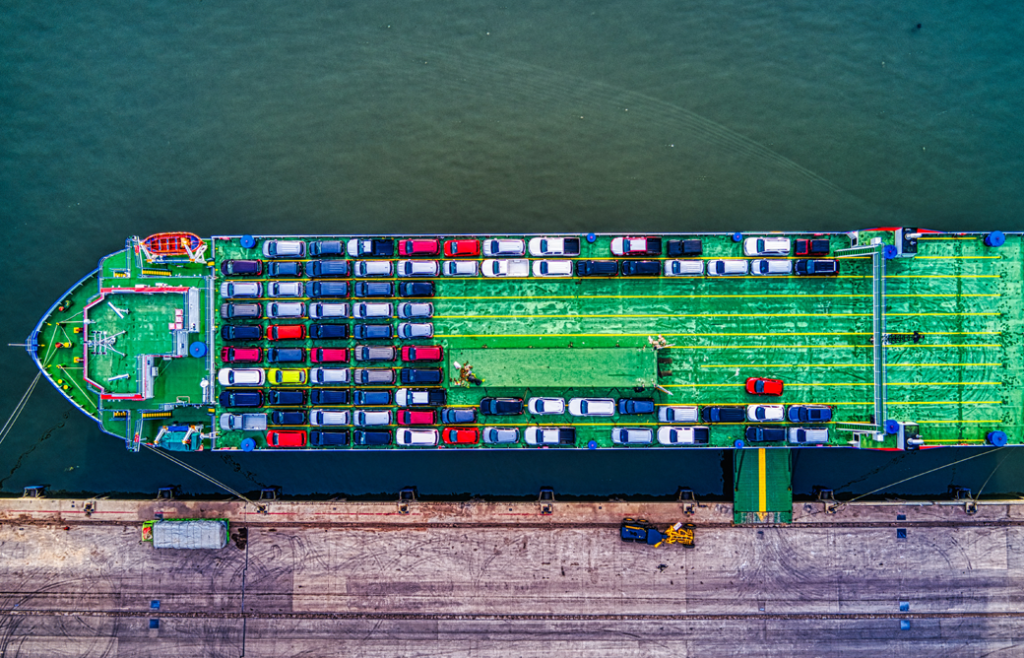
| Roll-On/Roll-Off (Ro-Ro) Ships | These are designed to transport wheeled cargo such as cars, trucks, and trailers. They have ramps that allow vehicles to drive on and off the ship. |
| Reefer Ships | These are designed to transport refrigerated cargo such as fresh fruit, vegetables, and meat. They have refrigeration units to keep the cargo at a specific temperature. |
Note: There are other types of vessels used in sea freight logistics, but these are the most common ones.
Sea freight logistics can transport a wide range of cargo types, including:
Sea freight logistics involves a range of professionals who play critical roles in ensuring the smooth and efficient transport of goods. Some of the key players include:
Sea freight logistics involves a range of operations that must be executed with precision to ensure that goods are transported safely and efficiently. Some of the key operations include:
To ensure the smooth and efficient execution of these operations, there are several best practices that logistics professionals follow, including:
Several factors can affect the sea freight logistics industry, including:
Sea freight logistics has many advantages that make it a popular choice for businesses involved in international trade. Some of the key advantages include:
While there are many advantages to sea freight logistics, there are also some disadvantages to consider. These include:
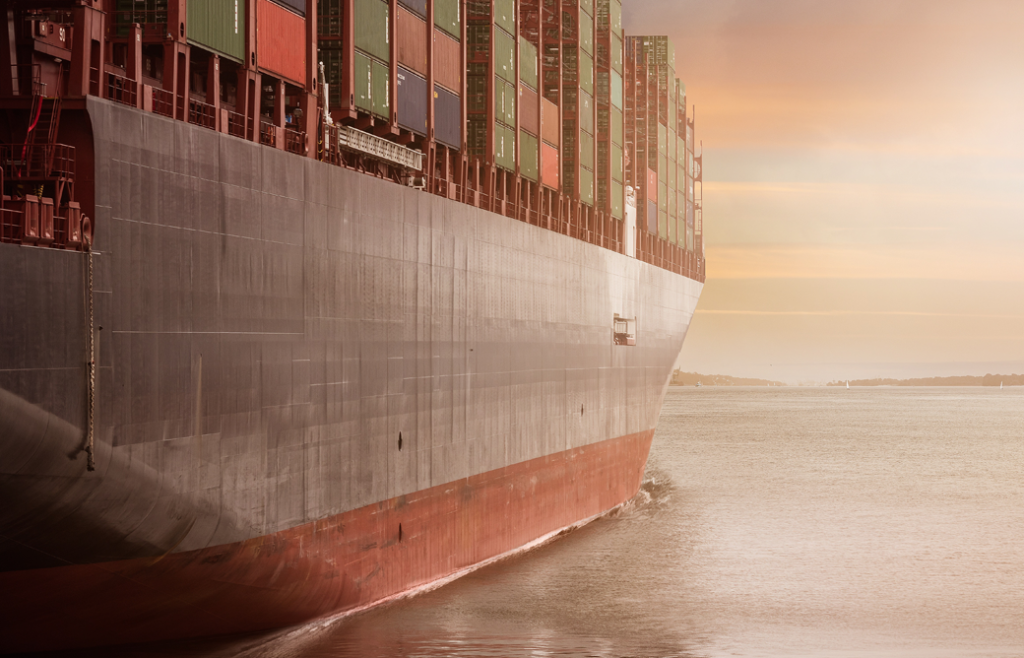
Despite the challenges posed by COVID-19, the future outlook for sea freight logistics remains positive. The global trade in goods is expected to continue to grow, and sea freight is likely to remain a key mode of transport for businesses looking to move goods around the world.
However, the industry is also likely to face challenges, including increased competition from other modes of transport, rising fuel costs, and growing pressure to reduce emissions and operate more sustainably.
To stay ahead of these challenges, businesses involved in sea freight logistics will need to continue to invest in technology, improve supply chain visibility, and work closely with their logistics partners to optimize their operations and ensure they are well-positioned for future growth.
Sea freight shipping is a transportation method that involves the movement of goods via ships or vessels across the ocean or sea. It is a cost-effective and efficient way to transport large quantities of goods.
The main purpose of sea freight is to transport goods from one country to another, especially for international trade. It allows businesses to import and export large quantities of goods at a lower cost compared to other transportation methods.
Sea logistics, also known as sea freight logistics, is the planning, coordination, and execution of sea freight shipping operations. It involves the management of the entire supply chain, from the point of origin to the point of destination, including transportation, storage, and distribution.
The types of sea freight transport include Full Container Load (FCL) and Less than Container Load (LCL). FCL involves the transportation of goods in a container that is exclusively used for a single shipment. LCL involves the transportation of goods in a container that is shared with other shipments. Additionally, Roll-on/Roll-off (Ro-Ro) and Break Bulk are used for specific types of cargo such as vehicles or large equipment.