

As UK sellers look to expand into Africa, they are increasingly leveraging online logistics to navigate the continents vibrant e-commerce landscape. With its youthful population and growing internet access, Africa offers a promising market where efficient logistics can make all the difference in reaching consumers effectively.
# How UK Sellers Are Expanding into Africa Using Online Logistics
The African continent is rapidly emerging as a promising marketplace for international sellers, particularly those based in the United Kingdom. With its growing population, increasing internet penetration, and an evolving e-commerce ecosystem, Africa represents a lucrative opportunity. This article explores how online logistics solutions are enabling UK sellers to expand into Africa successfully.
The African Market: An Overview
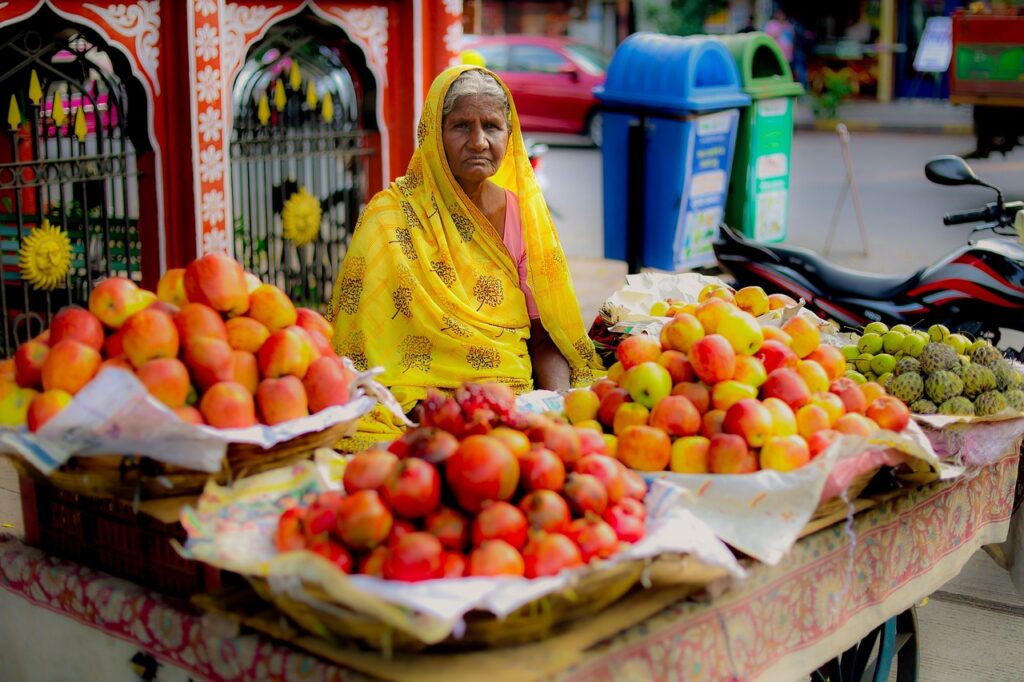
Demographics and Growth Potential
Africa is home to over 1.3 billion people, with a median age of around 19 years. This young and dynamic demographic offers a ready market for innovative products. Additionally, the continent has witnessed significant economic growth, particularly in sectors like technology, finance, and retail, making it an attractive destination for sellers.
E-commerce Boom
According to various reports, Africa's e-commerce market is projected to reach $29 billion by 2022, showing exponential growth rates. This surge is fueled by:
- Increased internet connectivity
- Growing smartphone penetration
- A shift in consumer behavior toward online shopping
Understanding Online Logistics
What Are Online Logistics?
Online logistics cover the entire supply chain process, from order fulfillment to delivery, utilizing technology to streamline operations. For sellers, online logistics encompass:
- Inventory management
- Warehousing solutions
- Tracking and delivery systems
Importance of Logistics in E-commerce
In e-commerce, logistics play a crucial role in customer satisfaction. Efficient logistics systems ensure timely delivery, reduce shipping costs, and provide real-time tracking, all essential elements for building trust with African consumers.
Expanding Into Africa: Challenges and Solutions
Common Challenges for UK Sellers
Despite the immense potential, UK sellers face several challenges when entering the African market:
1. Infrastructure Gaps: In many African countries, logistics infrastructure can be underdeveloped, leading to delays in delivery.
2. Regulatory Hurdles: Each country has different import regulations, taxes, and tariffs, making it complex for foreign sellers.
3. Cultural Differences: A sound understanding of local cultures, languages, and consumer preferences is vital for effective marketing strategies.
Logistics Solutions for UK Sellers
To overcome these challenges, UK sellers can leverage various online logistics frameworks:
1. Partnering with Local Fulfillment Centers
Collaborating with local logistics providers can help UK sellers navigate infrastructural challenges. For instance, companies like Jumia and DHL offer comprehensive logistic services, including warehousing and last-mile delivery.
##### Example:
A UK-based fashion retailer may partner with a local fulfillment center in Nigeria. This allows them to store products closer to their consumer base, drastically reducing shipping times and costs.
2. Utilizing E-commerce Platforms
Platforms like Amazon, eBay, and Shopify are making it easier for sellers to enter the African market. These platforms often provide integrated logistics solutions that allow sellers to manage inventory and shipping seamlessly.
##### Example:
A UK electronics seller can list products on a local version of Shopify integrated with a logistics service, ensuring faster delivery and local currency transactions.
3. Embracing Technology
Investing in technology such as Artificial Intelligence (AI) and data analytics can help sellers manage inventory smarter. Predictive analytics can forecast demand, ensuring that sellers are well-stocked as they expand into new markets.
Payment Solutions
Payment is a critical consideration for UK sellers looking to enter Africa. With a plethora of decentralized and mobile payment options, customers are expecting multiple payment methods:
- Mobile Money (e.g., M-Pesa)
- Credit/Debit cards
- Cryptocurrencies
Creating a seamless payment experience is essential for building trust and ensuring successful transactions.
Case Studies: Successful UK Sellers in Africa
1. The Hut Group
The Hut Group is a UK-based online retailer that has successfully expanded into the African market by leveraging local logistics providers.
Strategies Employed:
- Localized marketing campaigns targeting young audiences.
- Partnerships with local delivery services to ensure fast shipping.
2. Gymshark
UK activewear retailer Gymshark has seen significant success in the African market, particularly among fitness enthusiasts.
Strategies Employed:
- Collaboration with local influencers to reach a broader audience.
- Utilizing social media for promotion and targeted ads.
Essential Tips for UK Sellers
Understanding Local Markets
- Research: Conduct thorough research on target countries, consumer preferences, and market trends.
- Networking: Engage with local businesses and industry experts to understand nuances.
Leveraging Social Media
- Engagement: Use platforms like Facebook, Instagram, and Twitter to engage with potential customers.
- Content: Share local success stories or testimonials to build trust and credibility.
Monitoring Logistics Performance
- KPIs: Set clear Key Performance Indicators (KPIs) to evaluate logistics efficiency, such as shipping times and return rates.
- Feedback Loop: Create opportunities for customer feedback to continually improve the logistics process.
Conclusion
Expanding into the African market presents both challenges and exceptional opportunities for UK sellers. By leveraging online logistics solutions, partnering with local businesses, and embracing technology, UK sellers are well-positioned to tap into the continent's burgeoning marketplace. With a keen understanding of the local consumer landscape and a strategic approach to logistics, success in Africa is not just a possibility; it can become a reality.