Discover the vital role of UK seaports for export to Africa and unlock new opportunities for your business. From the bustling Port of London to other key locations, understanding these trade gateways is essential for navigating the dynamic African markets.
# Top UK Seaports for Export to Africa Explained
The United Kingdom has long been a vital hub for international trade, connecting businesses and consumers around the globe, including the diverse continent of Africa. With an ever-growing demand for UK goods in African markets, understanding the top seaports for export is crucial for businesses aiming to thrive in these regions. This article will explore the leading UK seaports that facilitate trade with Africa, highlighting their unique features and capabilities.
Importance of Seaports in Trade
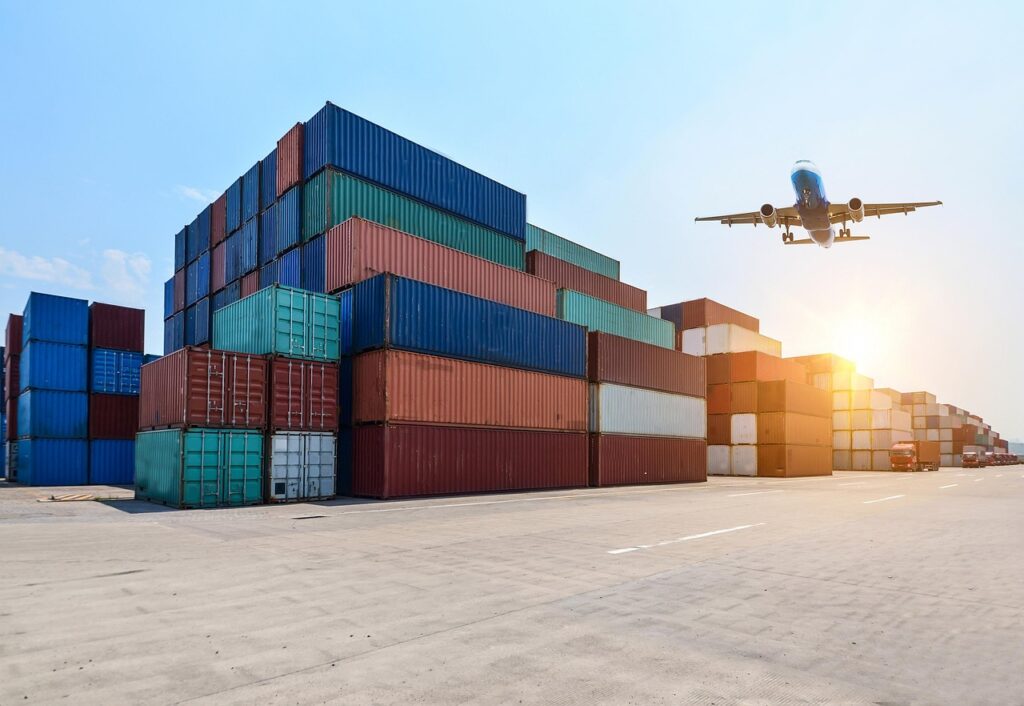 Seaports serve as gateways for the export and import of goods, acting as crucial links between manufacturers, wholesalers, and retailers. For UK businesses planning to export to Africa, choosing the right port can significantly impact shipping times, costs, and overall logistics. The advantages offered by key seaports include:
- Strategic Location: Proximity to major shipping routes to Africa.
- Infrastructure: Adequate facilities and equipment to handle various cargo types.
- Connectivity: Established shipping lines connecting to African ports.
- Customs and Regulations: Efficient processes that comply with international trade standards.
Seaports serve as gateways for the export and import of goods, acting as crucial links between manufacturers, wholesalers, and retailers. For UK businesses planning to export to Africa, choosing the right port can significantly impact shipping times, costs, and overall logistics. The advantages offered by key seaports include:
- Strategic Location: Proximity to major shipping routes to Africa.
- Infrastructure: Adequate facilities and equipment to handle various cargo types.
- Connectivity: Established shipping lines connecting to African ports.
- Customs and Regulations: Efficient processes that comply with international trade standards.
Top UK Seaports for Export to Africa
1. Port of London
The Port of London, the largest and busiest port in the UK, is a comprehensive facility that caters to a diverse range of cargo types. Its key attributes include:
- Strategic Access to Markets: The Thames River provides easy access to international waters, positioning the port as a key player in export logistics.
- Wide Range of Services: The port offers ro-ro (roll-on/roll-off) services, containerized cargo handling, and bulk goods handling.
- Shipping Lines: Numerous shipping companies operate between the Port of London and various African destinations such as Lagos, Mombasa, and Durban.
Example
A company exporting consumer electronics can utilize the Port of London due to its expertise in handling electronic shipments, ensuring that goods arrive at their African destinations swiftly and securely.
2. Port of Southampton
The Port of Southampton is another key player in the UK's export activities, known for its efficiency and strong infrastructure compatible with international shipping standards. Characteristics that make it a preferred choice include:
- Container Terminal: One of the UK’s largest deep-water container ports, ideal for shipping mass quantities of goods.
- Excellent Connectivity: It features direct shipping routes to several African ports, including those in Nigeria and South Africa.
- Fast Turnaround Times: Southampton is recognized for its quick loading and unloading processes, reducing the time goods spend in transit.
Example
A food and beverage company can export perishable goods, such as wine and cheese, effectively utilizing Southampton’s efficient handling capabilities to minimize spoilage during transport.
3. Port of Felixstowe
As the largest container port in the UK, the Port of Felixstowe plays a pivotal role in trade with Africa. Its advantages include:
- Extensive Container Handling: The port is equipped to handle millions of TEUs (Twenty-foot Equivalent Units) each year, making it an excellent choice for businesses looking to send large volumes of products.
- Advanced Technology: Automation and high-tech equipment ensure efficient cargo processing, resulting in lower costs for exporters.
- Direct Services to Africa: Several shipping lines operate routes from Felixstowe to African ports, such as Dar es Salaam and Accra.
Example
A UK-based clothing manufacturer can take advantage of Felixstowe's capacity to move a significant volume of products in a compact timeframe, allowing them to meet African demand quickly.
4. Port of Liverpool
The Port of Liverpool is strategically located to serve as a gateway between the Atlantic Ocean and various African markets. Its specific advantages include:
- Ideal Location for Trade Routes: Its location offers direct services to North and West Africa.
- Diverse Cargo Handling: The port is equipped to handle containerized cargo as well as bulk and breakbulk freight.
- Development Initiatives: Ongoing investments into port facilities and infrastructure ensure that it remains competitive in the global shipping market.
Example
A UK-based manufacturer of machinery can export heavy equipment to African countries using the Port of Liverpool, thereby capitalizing on the port’s facilities designed for oversized cargo.
5. Port of Newcastle
Though smaller than other ports mentioned, the Port of Newcastle still plays a vital role in exports to Africa thanks to its unique offerings:
- Regional Hub: Serves as a local hub for cargo heading to East Africa.
- Flexibility in Operations: The port can handle various cargo types, including bulk metals and agricultural products.
- Community Support: Engages in strengthening local businesses and promoting exports through partnerships.
Example
A manufacturer of agricultural machinery can utilize the Port of Newcastle to export their products directly to farmers in Kenya, helping Palestinian businesses grow their capacities.
Challenges of Exporting from UK Seaports to Africa
While there are numerous advantages to exporting from the UK to Africa, businesses also face challenges, such as:
- Logistical Issues: Delays in shipping schedules can occur due to weather conditions or port congestion.
- Regulatory Barriers: Variations in customs regulations can complicate exports.
- Cost Fluctuations: Shipping costs can vary based on global fuel prices and geopolitical factors.
Conclusion
Exporting goods from the UK to Africa is an opportunity laden with potential, especially when leveraging the right seaports. The Port of London, Southampton, Felixstowe, Liverpool, and Newcastle cater to diverse industries, ensuring businesses can find an appropriate gateway for their products. While challenges exist, careful planning and strategic partnerships with freight service providers can lead to successful outcomes in these emerging markets. As trade continues to evolve between the UK and Africa, understanding these ports will empower businesses to make informed decisions and seize new opportunities.