As we approach 2026, the UK to Nigeria sea freight landscape is set to transform, bringing new challenges and opportunities for businesses looking to ship goods across this vital route. From fluctuating costs to evolving regulations, understanding these changes will empower you to navigate this complex shipping process with ease.
Shipping goods internationally can be a complex process, particularly when it comes to sea freight. As we look ahead to 2026, the landscape of UK to Nigeria sea freight is expected to undergo significant changes. This article will explore what businesses and individuals can anticipate regarding shipping costs, regulations, transit times, and more.
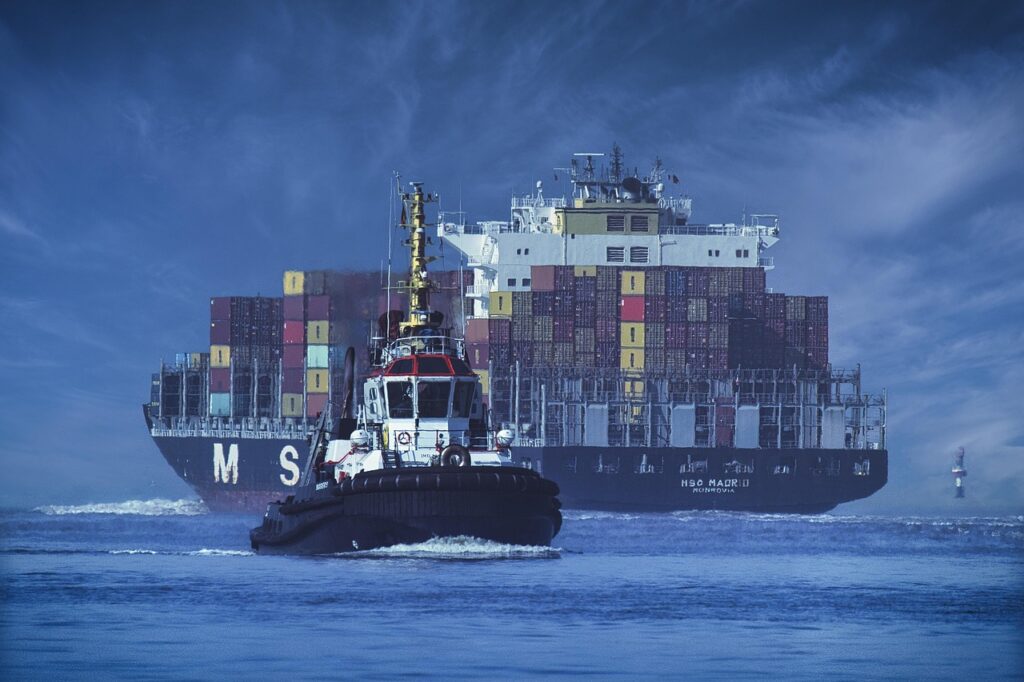
Before delving into future expectations, it’s important to understand the current scenario. Sea freight is a vital mode of transportation for moving goods between the UK and Nigeria. The primary ports involved include:
Currently, the average transit time for sea freight between the UK and Nigeria can range from 14 to 30 days depending on various factors such as the chosen shipping company, specific routes, and weather conditions.
Shipping costs have been fluctuating, impacted by factors like global demand, fuel prices, and port fees. Typically, the cost for a standard 20-foot container can range from £1,500 to £3,000 depending on the above factors.
By 2026, regulations governing sea freight are expected to tighten, especially concerning environmental standards and safety protocols.
With the global push towards sustainability, the UK and Nigerian governments are likely to implement stricter:
Anticipate changes in customs regulations, including:
The shipping industry is experiencing rapid technological advancements, which are likely to influence UK to Nigeria sea freight significantly by 2026.
Blockchain technology is expected to play a crucial role in ensuring transparency and efficiency in shipping documentation. Some benefits include:
Automated systems for container handling at ports can reduce waiting times and increase the speed of cargo transfer. This might include:
As logistics demands evolve, expect shipping costs to fluctuate based on multiple factors:
A typical cost breakdown for sea freight might include:
Base Freight Charge: Cost for the actual transportation of goods.
Add-ons:
Exchange Rates: Fluctuations in currency exchange rates could further influence shipping costs.
While transit times are currently stable, several factors might affect their reliability by 2026.
With the ever-changing political climate, especially concerning Brexit repercussions and Nigeria’s domestic policies, shipping reliability might fluctuate. Traders will need to account for potential delays due to:
Climate change is likely to increase the unpredictability of weather patterns, which may lead to:
As the shipping landscape evolves, robust insurance policies will become even more critical. Consider the following:
Merchants should regularly evaluate the risk factors surrounding their shipments, including:
Navigating the complexities of sea freight requires expertise, which is where freight forwarders come into play.
As we look ahead to 2026, the sea freight route from the UK to Nigeria will be shaped by regulatory changes, advancements in technology, and fluctuating market conditions. Businesses must stay informed and adaptable in this evolving landscape. By understanding expected changes in transit times, costs, and shipping practices, individuals and companies can better prepare for a successful international trade experience. Whether it’s navigating new regulations or choosing the right freight forwarder, thoughtful planning is key to ensuring the smooth transportation of goods across borders.