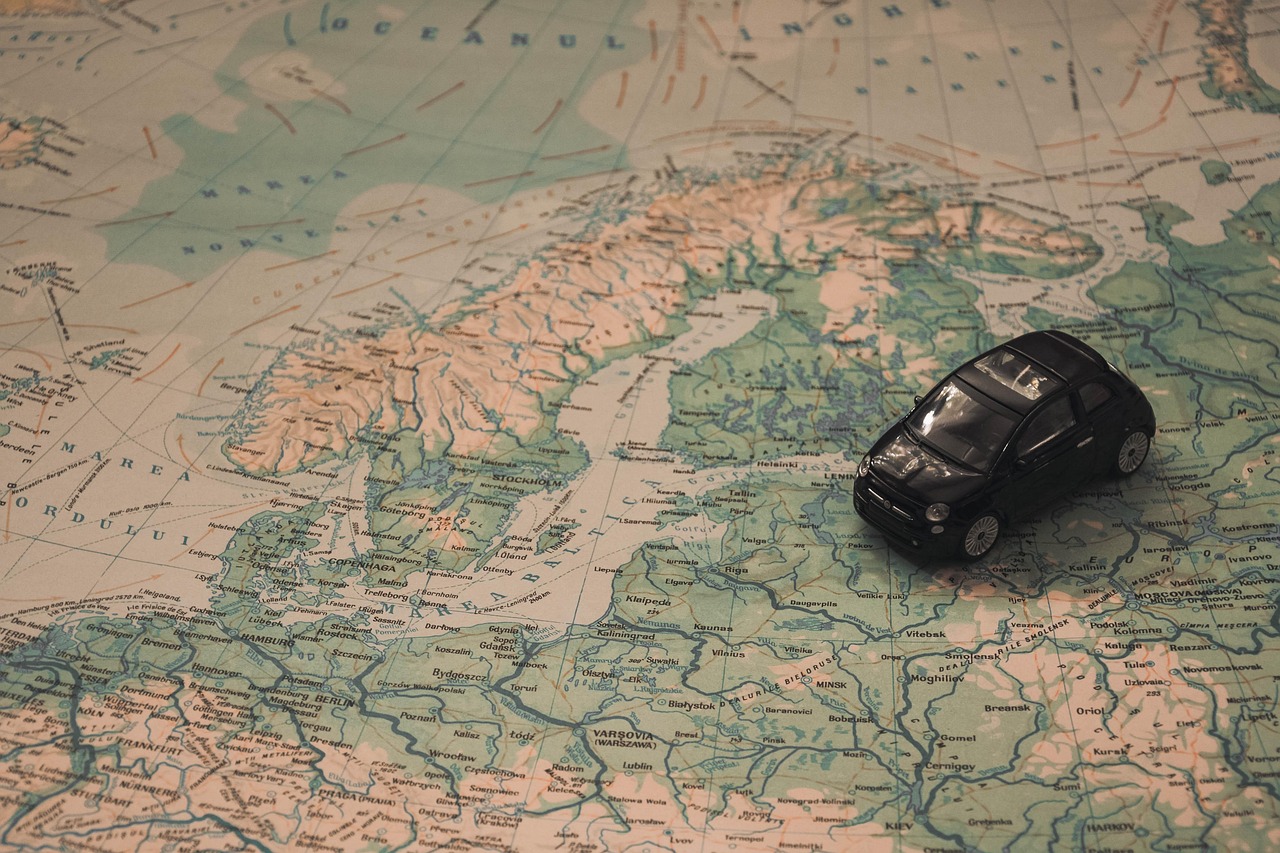
Exploring the UK land routes to Europe is essential for anyone looking to navigate the seamless connections between these regions. From the bustling ferries that whisk vehicles across the English Channel to the innovative Eurotunnel, the journey from the UK to the heart of Europe is easier than ever!
The United Kingdom has always maintained a strong connection with the European mainland, and road transport plays a pivotal role in facilitating the movement of goods and people across borders. In this article, we will explore the primary land routes from the UK to Europe, the challenges involved in road transport, and how recent developments affect logistics and travel.
The UK is separated from mainland Europe by the English Channel, which, while presenting a barrier, is navigated easily through established transport links. The primary options for road transport are:
Both methods allow for seamless road transport into several European countries.
Ferries are one of the most traditional ways to transport vehicles from the UK to Europe. Below are some of the key ferry routes operating across the English Channel.
One of the busiest ferry routes, the Dover-Calais crossing takes approximately 90 minutes.
A slightly less frequented route than Dover-Calais, but still an important crossing.
This route serves those traveling further into France, providing access to Normandy and beyond.
Ideal for travelers heading towards northern France.
The Eurotunnel, also known as the Channel Tunnel, connects Folkestone in the UK to Coquelles near Calais. It is a major transport and logistics route, offering a faster alternative to ferries.
Since Brexit, January 2021 brought significant changes to customs requirements for road transport between the UK and Europe. Below are critical points logistics providers and travelers should consider:
Any vehicle entering or exiting the UK requires the correct documentation:
Additional checks can slow processing times at borders, particularly at major points such as:
While the connections between the UK and Europe remain robust, several challenges complicate road transport:
Major crossings and ports can face significant congestion, especially during peak travel seasons.
Changes in trade regulations and increased inspections can heighten the burden on transport services.
The transport industry faces pressure to reduce its carbon footprint, which could lead to increased costs and changes in logistics.
To address rising challenges, technological advancements are influencing the UK’s road transport landscape. Some innovations include:
Online platforms allow vehicle bookings for ferries and the Eurotunnel, streamlining the travel experience.
Traffic monitoring apps help drivers navigate congestion and plan journeys efficiently.
Supply chain technology offers better insights into shipment tracking and management, reducing delays at crossings.
The future of UK-land routes to Europe is likely to evolve, shaped by regulatory, technological, and socio-economic factors. Here are key considerations:
Road transport between the UK and Europe remains a vital link for trade and travel, navigating a complex landscape of regulations, technology, and logistical challenges. The ferry and Eurotunnel services offer effective options for crossing the English Channel, while changes brought about by Brexit continue to reshape border processes. Adjusting to these changes with innovative solutions will be key to enhancing road transport operations in the years to come. By staying informed and embracing advancements, both businesses and travelers can navigate this intricate transport network efficiently.