

Navigating the world of UK to Egypt freight can be a journey in itself, but with the right knowledge of logistics and the best shipping routes, you can ensure your goods arrive smoothly and efficiently. Join us as we explore essential practices and optimal paths for successful freight transportation between these two vibrant destinations!
Transporting goods from the UK to Egypt can be a complex task that requires a deep understanding of logistics, customs regulations, and the best routes available. The successful shipment of freight involves ensuring delivery times, minimizing costs, and navigating the various challenges that may arise. In this blog post, we will explore the best routes for freight transportation from the UK to Egypt, as well as effective practices to ensure smooth shipping.
Before diving into the route options, it’s essential to understand the logistics involved in freight transport between the UK and Egypt. The transportation of goods typically involves several key steps:
When considering freight shipping, the two most common modes of transportation are air freight and sea freight. Each mode has its advantages and disadvantages.
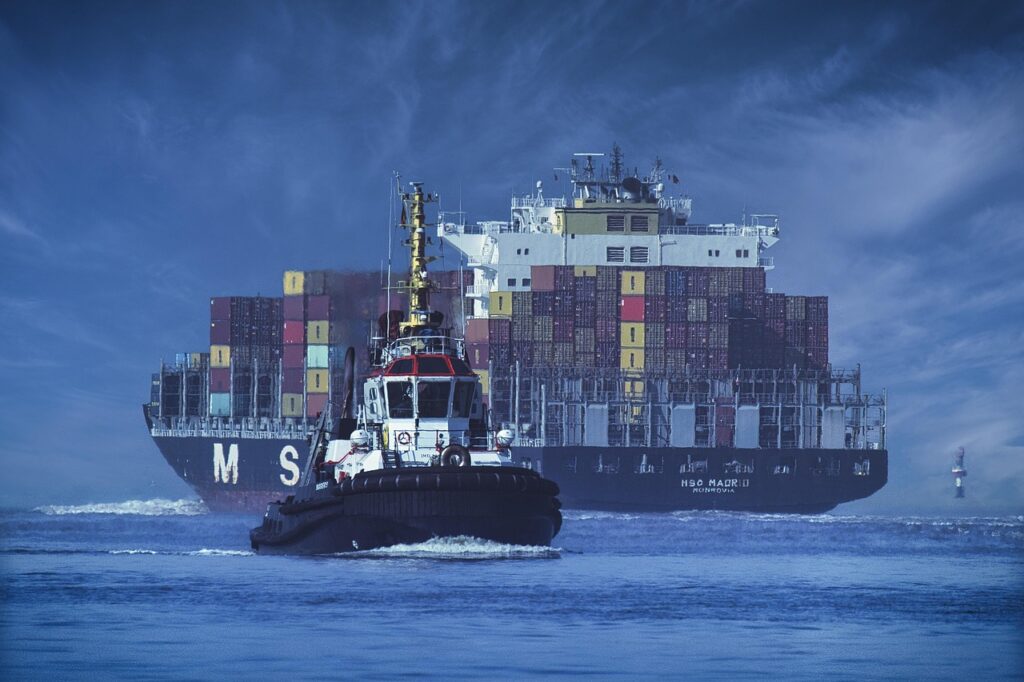
Several major shipping lines offer direct services from the UK to Egypt. The most common routes include ports such as London Gateway and Felixstowe to the Port of Alexandria or Port Said.
UK Ports:
Egypt Ports:
Shipping from the UK to Egypt can also be done by routing through key European ports. This method can be advantageous for certain types of cargo.
For air freight, major airports in the UK such as London Heathrow and Birmingham International are the typical departure points. Goods are flown directly to Cairo International Airport or other regional airports.
Customs clearance is a crucial aspect of the freight shipping process. Failure to comply with customs regulations can lead to delays and extra costs. Here are some best practices for customs preparation:
Documentation: Ensure all documentation is accurate and complete. This includes:
Duties and Taxes: Be aware of customs duties and taxes applicable to your shipment. Research Egypt’s customs regulations to avoid surprises.
Hire a Customs Broker: Consider hiring a customs broker who understands the nuances of both UK and Egyptian customs processes. They can facilitate the clearance process and mitigate issues.
Effective packaging and labeling are vital to ensure that goods arrive safely and are easy to identify upon arrival.
Selecting the right freight forwarder can greatly impact the success of your shipping operations. Here are some factors to consider when choosing a freight forwarder:
Look for a freight forwarder with experience in UK to Egypt shipping specifically. Reviews and testimonials from previous clients can provide insights into their reliability.
Choose a freight forwarder that offers a comprehensive range of services, including customs clearance, storage, and insurance options.
Ensure the freight forwarder has a method of clear and effective communication. Good communication is vital for resolving issues and providing updates on shipment status.
Shipping costs can vary significantly based on several factors. Here are some key components that may influence the overall cost of shipping from the UK to Egypt:
Freight rates depend on the mode of transportation, weight, dimensions, and distance. It’s helpful to compare rates from multiple freight forwarders.
Purchasing freight insurance is advisable, especially for high-value shipments. The cost of insurance can add to overall freight charges but protects against potential losses.
Be aware of additional fees, including:
To manage costs effectively, consider requesting comprehensive quotes from freight forwarders to understand the breakdown of charges.
Once your freight is in transit, keeping track of shipments is essential for timely deliveries. Here are some effective monitoring methods:
Most freight forwarders provide tracking systems that allow you to monitor the status of your shipment in real-time. Ensure your provider has a reliable tracking system.
Request regular updates from your freight forwarder regarding the shipment’s status, especially if any issues arise during transit.
Shipping freight from the UK to Egypt can be streamlined with the right knowledge and practices. By understanding the best routes, choosing appropriate transportation methods, preparing for customs clearance, and selecting a reliable freight forwarder, businesses can ensure a successful shipping experience. Effective planning and execution can result in punctual deliveries, lower costs, and satisfied customers, paving the way for successful international trade between the UK and Egypt.