The Future of UK–Africa Trade Logistics in 2027
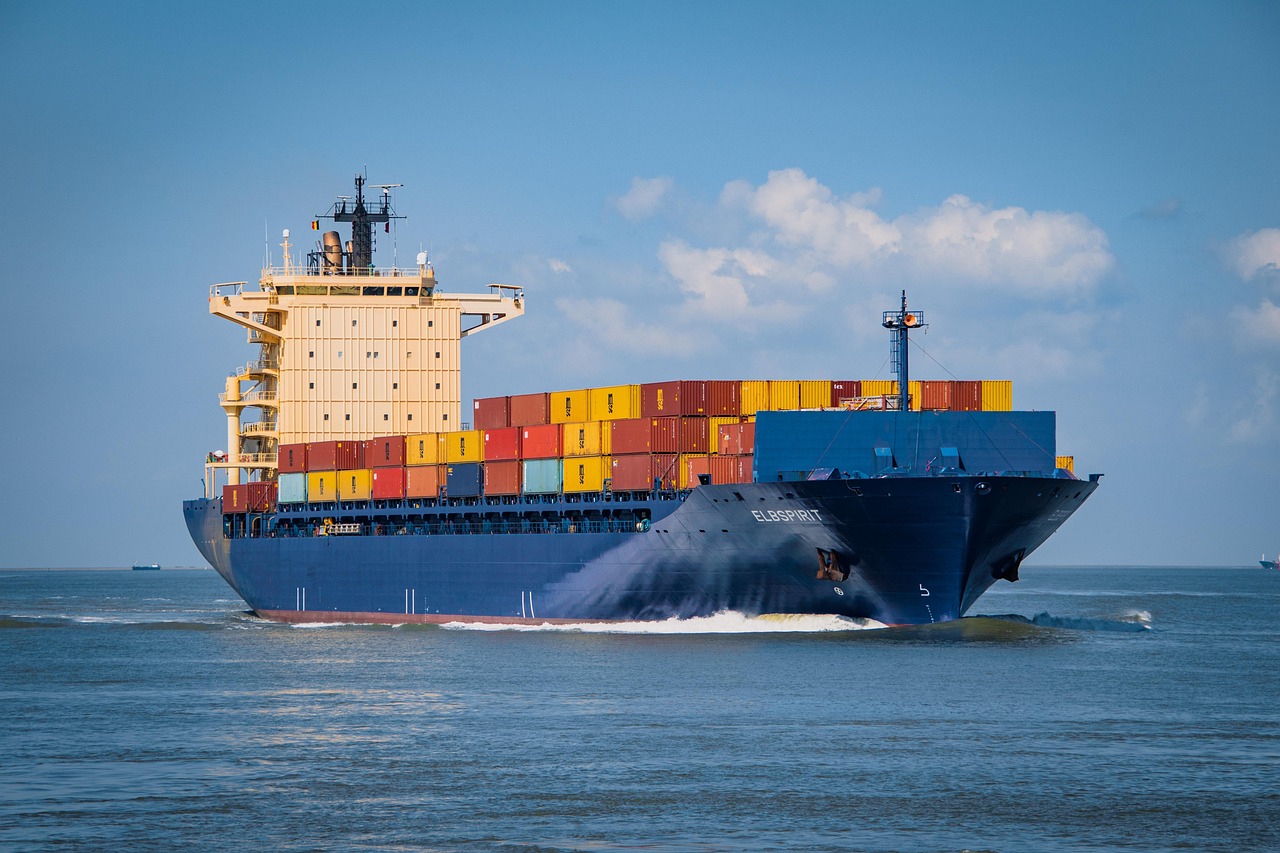
As the world gradually navigates through the complexities introduced by globalization, the significance of trade logistics has never been more pronounced. This is especially true for the relationship between the UK and Africa, a dynamic landscape that is poised for substantial development over the coming years. By 2027, trade logistics between the UK and Africa are expected to undergo transformative changes, shaped by technological advancements, shifting geopolitical landscapes, and economic strategies.
Current Landscape of UK–Africa Trade

As of 2023, the trade relationship between the UK and Africa has been steadily evolving. The UK remains one of Africa’s key trading partners, with significant exports and imports that span sectors ranging from agriculture to technology.
Key Statistics
- Trade Value: In 2021, UK exports to Africa were estimated at £7.7 billion, while imports totaled around £12.6 billion.
- Primary Goods: Key exports from the UK include machinery, vehicles, and pharmaceuticals, while imports focus largely on minerals, oil, and agricultural products.
Challenges Faced
The trade relationship, while flourishing, has encountered challenges, including:
- Infrastructure: Many African nations still struggle with inadequate transportation infrastructure.
- Regulatory Barriers: Complex customs procedures can impede trade efficiency.
- Political Instability: Fluctuating political climates can affect trade agreements and operations.
The Role of Technology in Trade Logistics
Technology is anticipated to be a major driver of change in UK–Africa trade logistics by 2027. Various technologies are set to enhance efficiency, reduce costs, and streamline operations.
Supply Chain Digitalization
- Blockchain Technology: By 2027, the integration of blockchain could ensure transparency and security in trade logistics. This technology can help track shipments in real-time, reducing the risk of fraud and improving trust between trading partners.
- Internet of Things (IoT): IoT sensors can monitor cargo conditions and locations, providing critical data that helps optimize routes and reduce delays.
Artificial Intelligence (AI)
- Predictive Analytics: AI can assist companies in forecasting demand more accurately, which helps in optimizing inventory levels and transportation routes.
- Automated Warehousing: Smart warehouses utilizing AI-driven robots may streamline loading and unloading processes, leading to faster shipping times.
Changes in Trade Policies by 2027
The geopolitical landscape, influenced by ongoing negotiations and agreements, will shape trade logistics.
Key Trade Agreements
- UK-Africa Free Trade Agreement: Discussions around a potential free trade agreement could result in reduced tariffs and foster trade growth between the UK and various African nations.
- African Continental Free Trade Area (AfCFTA): This agreement, aimed at boosting intra-African trade, may create opportunities for UK businesses to engage with a broader African market.
Import and Export Regulations
- Regulatory environments are expected to evolve, leading to streamlined customs processes that facilitate smoother transactions. With digitalization, such regulations could be made accessible through online platforms, enabling easier compliance.
The Impact of Sustainability
As environmental concerns take center stage in global trade, sustainability practices will undoubtedly influence logistics in the UK–Africa trade corridor.
Green Logistics
- Sustainable Transportation: There will likely be a push toward using greener transportation methods, including electric vehicles and renewable energy for shipping.
- Eco-friendly Packaging: Companies may adopt biodegradable and recyclable packaging, contributing to lower carbon footprints.
Sustainable Practices in Africa
- Agricultural Advancements: Many African countries are harnessing technology to improve agricultural practices, enabling them to produce goods that meet international sustainability standards.
- Carbon Credits: The growing interest in carbon credits may provide African countries with new revenue streams while promoting environmentally friendly practices.
Building Better Infrastructure
Improving trade logistics hinges on robust infrastructure. In the coming years, both the UK and African nations are expected to invest heavily in transportation networks.
Key Infrastructure Developments
- Ports and Airports: Upgrades to major ports, such as Durban and Mombasa, will enhance container handling capacity and reduce shipping times.
- Road and Rail Networks: Investments in road and rail infrastructure will lead to better connectivity, thus facilitating smoother movement of goods.
Collaborative Efforts
Countries in Africa may work together to develop regional infrastructure projects that benefit multiple nations. This long-term collaboration can lead to reduced costs and increased efficiencies.
Skill Development and Workforce
A skilled workforce will be crucial in enhancing trade logistics. As the landscape evolves, there will be a growing demand for specialized training programs.
Training Initiatives
- Logistics Education Programs: Universities in both the UK and Africa may establish logistics and supply chain management courses designed to equip students with relevant skills.
- Public-Private Partnerships: Engaging private sector expertise in creating training and development programs will enable workers to adapt to technological changes effectively.
Case Studies of Successful Logistics Practices
Several companies are already setting benchmarks in UK–Africa trade logistics. By analyzing effective strategies, other businesses can glean valuable insights.
Example 1: Tesco’s Sourcing Strategy
Tesco has successfully developed a sourcing model that blends local African produce with UK supply chains. This strategy minimizes transportation costs and supports local economies while fulfilling consumer demand for fresh products in the UK.
Example 2: Maersk’s Digital Innovations
Maersk has implemented digital platforms that allow for seamless tracking of shipments from Africa to the UK. By employing data analytics, the company optimizes routes and minimizes delays, improving customer service and satisfaction.
The Future Workforce and Employment Opportunities
As the trade logistics sector evolves, new job opportunities will emerge, particularly in tech-driven roles.
Emerging Roles
- Data Analysts: Experts in data analysis will be crucial for optimizing supply chains and logistics operations.
- Sustainability Managers: Companies will need professionals who specialize in developing and implementing sustainable practices.
Adaptability and Learning
With job roles rapidly changing, continuous training and adaptability will be essential for the workforce. Cybersecurity, IT proficiency, and knowledge of new logistics technologies will become increasingly important skills.
Conclusion
By 2027, the UK–Africa trade logistics landscape is poised for remarkable growth, driven by technological advancements, strategic partnerships, and a strong focus on sustainability. Despite existing challenges, there is significant potential for improvements that can foster a more efficient, effective, and environmentally conscious trading environment. Stakeholders from both regions must stay proactive in adapting to these changes to secure mutual benefits and harness the full potential of their economic relationship. The future is bright, and the journey has just begun.