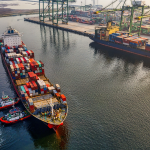

Over the last five years, UK-Africa logistics have transformed dramatically, driven by new trade agreements and advancements in infrastructure. With investments pouring into road, air, and maritime networks, the opportunities for businesses connecting the UK and Africa have never been better!
In an era of globalization, the logistics landscape between the UK and Africa has undergone significant transformation over the past five years. The shifts in trade agreements, technological advancements, and increased investment in logistics infrastructure have all played a crucial role. This article explores these changes, providing insights into their impacts on businesses and the logistics industry.

Historically, the UK has maintained strong trade relations with several African nations. However, the dynamics have evolved due to various factors, including Brexit, changing economic landscapes, and shifts in geopolitical alliances.
Infrastructure development has been a major focal point across Africa in recent years. Countries such as Ethiopia, Kenya, and Nigeria have invested heavily in enhancing their logistics capabilities.
One of the most ambitious infrastructure projects in Africa, the LAPSSET corridor, aims to link South Sudan, Ethiopia, and Kenya through a network of roads, railways, and ports. This project exemplifies the regional commitment to enhancing logistics capabilities, ultimately benefiting UK-Africa trade.
The adoption of technology has been pivotal in transforming logistics operations between the UK and Africa. Technologies such as blockchain, IoT (Internet of Things), and AI (Artificial Intelligence) have streamlined operations and increased transparency.
Blockchain is being utilized in supply chain management to enhance transparency and trust among stakeholders. For instance:
IoT devices play a crucial role in monitoring and managing shipments in real-time. This technology helps in:
AI-driven analytics have improved efficiency in logistics planning and cost management. Companies are now using AI to:
The UK’s departure from the European Union in 2020 has had a profound effect on trade logistics. Changes in regulations and customs requirements have necessitated shifts in how businesses operate when trading with African nations.
Companies are now required to be more diligent about compliance with various trade regulations. This has led to an increased reliance on logistics providers that specialize in navigating complex customs regulations.
The rapid growth of e-commerce has also transformed logistics networks between the UK and Africa. With the COVID-19 pandemic accelerating online shopping trends, logistics companies have had to adapt quickly.
Despite advancements, several challenges persist in the logistics sector between the UK and Africa.
While many countries are investing in logistics infrastructure, disparities still exist. Regions with poor transport links may hinder efficient supply chain management.
Navigating customs procedures can be daunting, especially for smaller businesses lacking the resources to manage compliance effectively.
Security issues, such as theft or interruption of supply chains due to unrest in certain regions, remain a significant concern for businesses looking to expand into African markets.
The logistics landscape between the UK and Africa has undergone substantial changes over the last five years, driven by infrastructure improvements, technological advancements, and shifts in trade dynamics due to Brexit. While challenges remain, the future appears promising as businesses adapt to a constantly evolving logistics environment. As more industries continue to embrace technology and innovation, the potential for enhanced UK-Africa trade is significant, paving the way for a shared economic future.