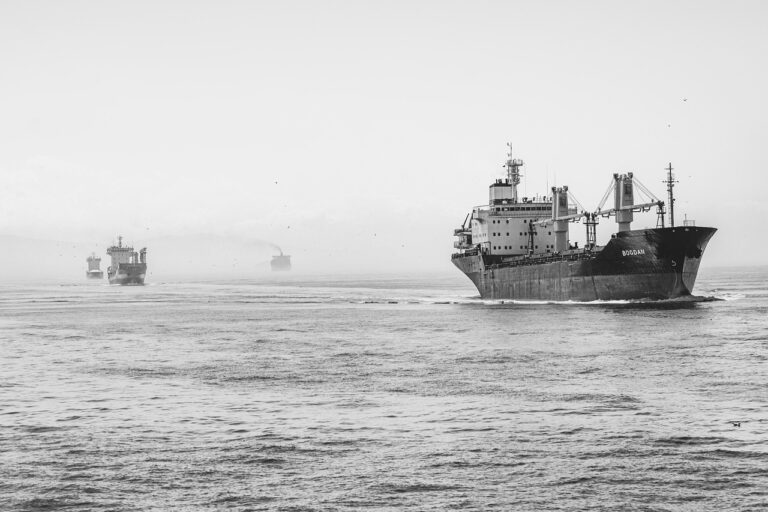
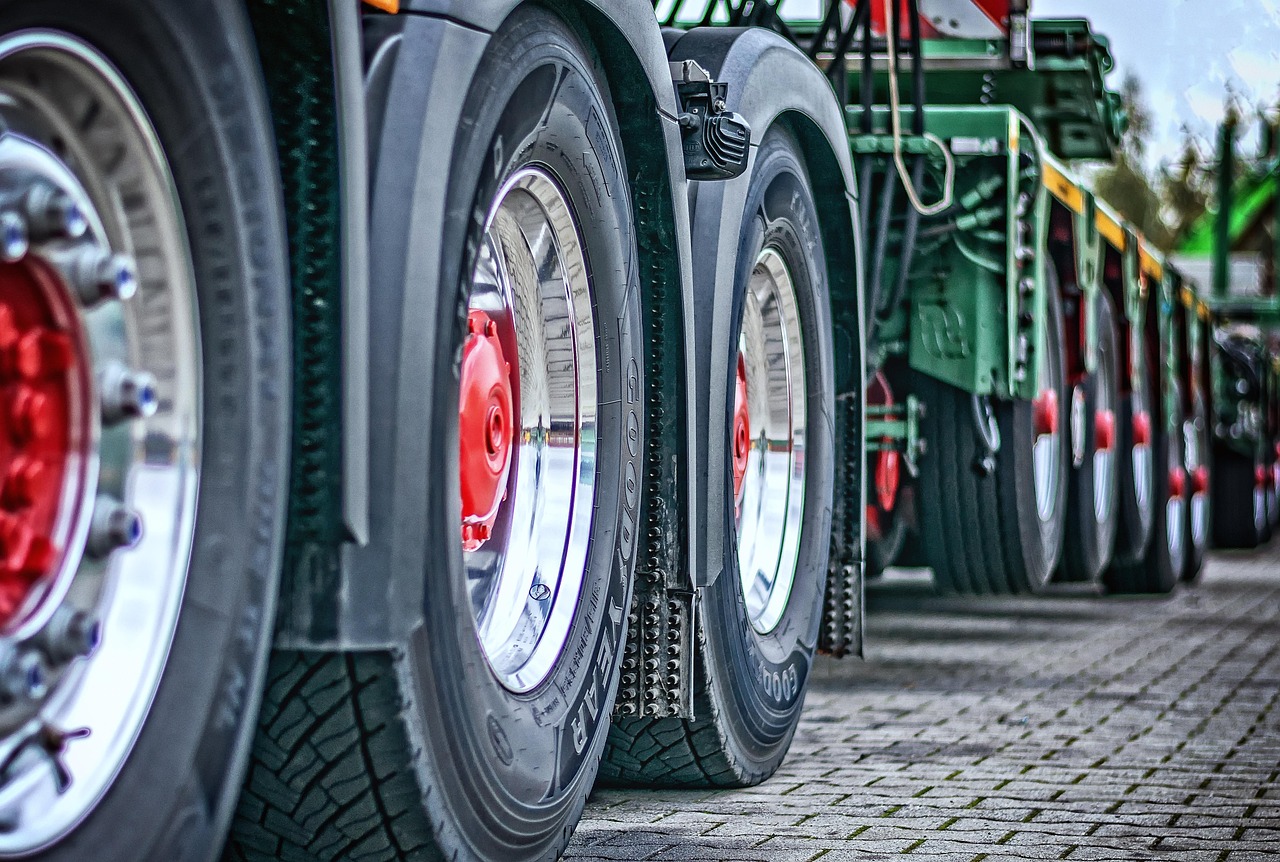
In a competitive transport market, buyers enjoy significant benefits, including lower shipping rates and enhanced services, making it easier than ever to choose the best option for their needs. Discover how transporter competition benefits consumers by driving innovation and affordability in the logistics industry!
# How Buyers Benefit from Transporter Competition
In today's fast-paced economy, the logistics industry plays an essential role in facilitating trade, commerce, and everyday consumer needs. One crucial aspect of this industry is the competition among transporters, which can significantly impact buyers. In this article, we will explore the many ways buyers benefit from transporter competition, including better pricing, improved services, and enhanced technological advancements.
Understanding Transporter Competition

What Is Transporter Competition?
Transporter competition occurs when multiple transportation companies vie for the same customers. This competition can take place among freight carriers, shipping companies, and delivery services. It arises from the need for businesses to optimize their operations and reduce costs, pushing transporters to provide better value to their clients.
The Importance of Competition in the Transport Industry
Competition leads to innovation, efficiency, and customer-centric services. For buyers, this means greater choices and improved experiences when shipping goods or receiving deliveries. Understanding how these dynamics work can help buyers make informed decisions and maximize their benefits.
Key Benefits of Transporter Competition for Buyers
1. Lower Shipping Rates
One of the most immediate benefits of transporter competition is the downward pressure on shipping rates. Here’s how this works:
- Price Comparisons: With various transport companies competing for business, buyers can compare rates easily. This competition often leads to price reductions, allowing customers to negotiate better deals.
- Special Offers and Discounts: Transporters may offer promotional rates or discounts to attract new clients or retain existing ones. For instance, a new shipping company may provide lower introductory rates, enticing buyers to switch providers.
Example:
A small business owner wanting to ship products may find that Company A offers a shipping rate of $50, while Company B offers the same service for $45. Due to the competition, the owner may decide to choose Company B or negotiate with Company A for a better price.
2. Enhanced Service Options
Competition among transporters also drives improvements in service quality. Buyers benefit from:
- Diverse Service Offerings: Transporters often expand their service offerings to cater to a wider range of customer needs. Options may include express shipping, real-time tracking, and temperature-controlled transport.
- Customer Support: With the rise of competition, transporters prioritize customer service. This focus is crucial for buyers needing assistance with issues like package tracking or delivery delays.
Example:
A buyer using a logistics platform may choose between several transporters that offer varied services like same-day delivery, standard shipping, or international freight, enabling tailored choices based on urgency and budget.
3. Improved Delivery Times
Fierce competition compels transporters to optimize their operations, leading to faster delivery times. Here's how buyers benefit:
- Increased Efficiency: Transporters invest in better route planning and more efficient logistics management to reduce delivery times.
- On-time Guarantees: Many transporters now offer service guarantees, promising on-time delivery or refunds, which reassures buyers about their commitments.
Example:
A retail company depends on timely restocking of its inventory. With the array of choices in transporters, it finds one that guarantees delivery within 24 hours, ensuring shelves remain stocked and customers satisfied.
4. Technological Advancements
Competition stimulates innovation in technology within the transport sector. Buyers can leverage advancements such as:
- Real-time Tracking: Enhanced tracking systems allow buyers to monitor their shipments' progress, providing peace of mind.
- Automation and AI: Transporters are increasingly adopting AI algorithms to optimize routes and predict delivery times, leading to more reliable service.
Example:
A tech-savvy buyer can track their shipment in real-time using a mobile app provided by the transporter, allowing them to plan their logistics or inform customers accurately about delivery status.
5. Increased Focus on Sustainability
With growing consumer awareness around environmental issues, competition has led transporters to adopt more sustainable practices. Buyers benefit from:
- Eco-Friendly Options: Some companies now offer green shipping methods, such as electric vehicles or optimized routes that reduce emissions.
- Corporate Responsibility: Transporters prioritize social responsibility, ensuring that their operations align with buyers' values regarding sustainability.
Example:
A buyer seeking to minimize their carbon footprint may opt for a transporter that uses electric vehicles and boasts a commitment to sustainability, aligning their shipping choices with their environmental values.
6. Greater Flexibility and Customization
Competition forces transporters to provide more flexible solutions to cater to diverse buyers' needs.
- Tailored Solutions: Transporters may offer customized services to accommodate specific industry requirements, whether it’s temperature control for perishables or specialized handling for fragile items.
- Dynamic Pricing Models: Many transporters implement flexible pricing models based on demand fluctuations, allowing buyers to choose the best deals according to their scheduling needs.
Example:
A restaurant supplier may work with a transporter that understands the tight schedules required for food delivery, offering flexible delivery slots that align with peak operational hours.
Strategies for Buyers to Maximize Benefits
To fully take advantage of transporter competition, buyers can implement the following strategies:
1. Conduct Thorough Research
Buyers should actively research different transporters to find the most suitable options. This includes comparing rates, services, and customer reviews to ensure they make an informed selection.
2. Leverage Technology
Utilizing logistics platforms and apps that aggregate transporter offerings simplifies the comparison process. Buyers can quickly assess which transporter meets their needs while providing the best value.
3. Negotiate Terms
Don’t hesitate to negotiate with transporters. Companies are often open to discussions about pricing or services, especially if they believe a potential customer will bring them ongoing business.
4. Stay Informed About Industry Changes
By staying current with industry trends and developments, buyers can better understand shifting dynamics in transporter competition, allowing them to capitalize on new opportunities as they arise.
Conclusion
Transporter competition significantly benefits buyers, leading to lower shipping costs, enhanced services, improved delivery times, and technological advancements. As the logistics landscape continues to evolve, buyers who remain proactive and informed can maximize their advantages from transporter competition. By leveraging research, technology, and negotiation strategies, buyers can enhance their shipping experiences and drive greater efficiency in their operations.