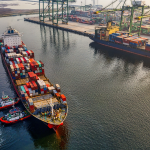

Transport platforms are revolutionizing international trade by connecting shippers and carriers through advanced technology, making logistics more efficient and cost-effective. Discover how these platforms are transforming the way goods move across borders and what it means for the future of global commerce!
# Why Transport Platforms Are Reshaping International Trade
In an era where globalization fuels economic growth, the dynamics of international trade are continuously evolving. One of the most significant catalysts for this transformation is the emergence of transport platforms. These platforms play a crucial role in facilitating the movement of goods across borders, enhancing efficiency, and optimizing supply chains. This article delves into how transport platforms are reshaping international trade, their impact on logistics, and the future possibilities they bring.
Understanding Transport Platforms
 Transport platforms refer to digital systems that connect shippers and carriers using advanced technology. These platforms streamline logistics processes, integrate different transport modes, and enhance visibility throughout the supply chain. They help businesses of all sizes manage their shipping needs more effectively by:
- Providing real-time tracking information.
- Offering competitive pricing through auctions and bidding.
- Simplifying documentation processes.
Examples of popular transport platforms include Freightos, Flexport, and ShipBob, which offer various services from instant quotes to complete freight management.
Transport platforms refer to digital systems that connect shippers and carriers using advanced technology. These platforms streamline logistics processes, integrate different transport modes, and enhance visibility throughout the supply chain. They help businesses of all sizes manage their shipping needs more effectively by:
- Providing real-time tracking information.
- Offering competitive pricing through auctions and bidding.
- Simplifying documentation processes.
Examples of popular transport platforms include Freightos, Flexport, and ShipBob, which offer various services from instant quotes to complete freight management.
The Role of Technology in Transport Platforms
1. Data-Driven Decision Making
Transport platforms leverage data analytics to provide insights into shipping trends, helping businesses make more informed decisions. For example, companies can analyze historical data to forecast demand and optimize their shipping schedules accordingly. This reduces idle time and lowers logistics costs.
2. Automation
Automation is a stronger feature in modern transport platforms, from booking cargo space to generating necessary documentation. This not only speeds up processes but also minimizes human errors that could lead to issues, such as delays or compliance problems.
3. Blockchain Technology
Blockchain technology enhances transparency and security within the supply chain. It allows all parties – shippers, carriers, and customs authorities – to access the same immutable data in real-time. As a result, discrepancies are minimized, leading to faster clearance through customs and reducing the likelihood of fraud.
Enhancing Supply Chain Efficiency
1. Improved Visibility
Transport platforms offer better visibility throughout the shipping process, allowing companies to track shipments in real time. This transparency helps businesses manage expectations and respond promptly to any disruptions. For example, if a shipment is delayed due to weather conditions, companies can proactively inform their clients and adjust their plans as necessary.
2. Streamlined Operations
By providing an integrated platform for different transport modes, these platforms eliminate the complexities found in traditional shipping methods. Businesses can choose the best mode — whether air, land, or sea — based on cost, time, and reliability.
3. Cost Reduction
Transport platforms often provide access to a wider network of carriers, allowing businesses to find the most cost-effective shipping solutions. Since these platforms facilitate competitive bidding among carriers, shippers can benefit from lower rates while maintaining quality service standards.
Impact on Small and Medium Enterprises (SMEs)
Transport platforms are not just transforming large corporations. Small and medium enterprises (SMEs) also reap significant benefits.
1. Leveling the Playing Field
SMEs can access the same logistics capabilities as larger companies by using transport platforms. This democratization of logistics allows them to compete effectively on a global scale. For example, a small artisanal food producer can use a transport platform to ship products internationally, something that was previously only feasible for larger enterprises with dedicated logistics resources.
2. Enhanced Customer Experience
With improved efficiency and transparency, SMEs can provide superior customer service. Real-time tracking and updates mean that customers can stay informed about their orders, fostering trust and loyalty.
The Future of International Trade and Transport Platforms
As transport platforms continue to develop, several trends indicate how they will shape the future of international trade.
1. Greater Integration of AI and Machine Learning
Artificial Intelligence (AI) and machine learning are expected to further enhance transport platforms. These technologies can analyze vast amounts of data to predict shipping trends, optimize routes, and automate supply chain management processes.
2. Sustainability and Eco-Friendly Options
With heightened awareness of environmental issues, transport platforms will likely incorporate options for eco-friendly shipping methods. This may involve providing incentives for carriers that use cleaner technologies or offering customers the ability to choose sustainable shipping practices.
3. Expansion of Global Trade Networks
Transport platforms help create more extensive networks, connecting new markets and suppliers. This will facilitate trade in less accessible regions and encourage diversification. For instance, a farmer in Africa can now easily find markets in Europe or North America through digital platforms.
Challenges Facing Transport Platforms
While transport platforms offer numerous benefits, they are not without challenges.
1. Cybersecurity Risks
As platforms become increasingly connected, they also face greater cybersecurity risks. Protecting sensitive data and maintaining trust is essential for sustaining platform efficacy.
2. Regulatory Complexity
Navigating the regulatory frameworks of different countries can be intricate. Transport platforms must ensure compliance with various shipping laws, tariffs, and customs regulations to function smoothly across borders.
3. Technological Barriers in Developing Countries
While transport platforms are democratizing access to logistics, some regions still lack the necessary infrastructure. In developing countries, poor internet connectivity or inadequate technological adoption can hinder the effectiveness of these platforms.
Conclusion
Transport platforms are undeniably reshaping the landscape of international trade by enhancing efficiency, providing real-time visibility, and democratizing access to logistics resources. As technology continues to evolve, these platforms will likely play an even more crucial role in meeting the ever-changing demands of global commerce. Businesses, whether large or small, must adapt to leverage these tools effectively, maximizing their competitiveness in an increasingly interconnected world. As we look forward to the future, embracing these innovations will be key to thriving in the dynamic arena of international trade.