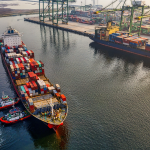

In todays fast-paced world, technology in freight management is revolutionizing the way goods are transported, making processes quicker, more efficient, and cost-effective. From real-time tracking to automated booking systems, these innovations are enhancing transparency and collaboration across the logistics landscape.
The freight management industry has undergone radical transformation over the past few decades, largely due to advancements in technology. The integration of technology not only streamlines processes and improves efficiency but also enhances transparency, reduces costs, and enables real-time communication. In this article, we will explore the various ways in which technology is shaping modern freight management and the benefits it brings to businesses and logistics professionals.

Freight management refers to the process of planning, executing, and overseeing the movement of goods from one location to another. It encompasses several key components, including inventory management, transportation planning, order fulfillment, and customer service. Effective freight management is crucial for companies that rely on transportation to deliver products to their customers efficiently and cost-effectively.
A Transportation Management System (TMS) is software designed to manage and optimize the shipment of goods. It helps businesses plan shipments, track orders, and analyze transportation costs.
Automated freight booking platforms enable businesses to streamline their shipping processes. Companies can easily book shipments through online platforms, eliminating the need for time-consuming phone calls and emails.
Radio-frequency identification (RFID) and the Internet of Things (IoT) are cutting-edge technologies that enable real-time tracking and monitoring of freight. RFID tags can be attached to goods, while IoT devices can provide additional insights.
Blockchain technology offers a decentralized and transparent ledger that records transactions securely. Its application in freight management enhances accountability and traceability.
Artificial Intelligence and Machine Learning can analyze vast amounts of data to optimize freight operations. From route planning to demand forecasting, AI enhances decision-making processes.
Despite the many advantages technology brings to freight management, there are several challenges that businesses must navigate:
As organizations adopt technology-driven solutions, data security remains a top priority. Companies need to implement robust cybersecurity measures to protect sensitive information.
With various technologies and platforms available, integrating new systems with existing infrastructure can be challenging. Businesses should ensure that their technology stacks are compatible to avoid operational disruptions.
A cultural resistance to change can impede the adoption of new technologies. Stakeholders must receive proper training and support to embrace innovative practices.
While technology can result in long-term savings, the initial investment can be substantial. Companies need to weigh the costs against potential benefits before proceeding with new technology implementations.
Amazon has revolutionized freight management through its state-of-the-art logistics network. By leveraging advanced technology and data analytics, Amazon is able to ensure rapid delivery times, utilizing a combination of AI, drones, and autonomous vehicles to streamline its operations.
DHL has embraced digital transformation by investing in automated sorting systems and real-time tracking solutions. Their use of IoT technology allows for better inventory management and customer satisfaction through enhanced visibility.
The demand for automation will continue to rise, with more businesses seeking to reduce manual tasks and human errors. Automated warehouses and autonomous delivery vehicles will play a significant role in shaping the future of freight management.
As environmental concerns grow, the freight industry is expected to adopt more sustainable practices. Technologies such as electric vehicles, carbon tracking software, and energy-efficient logistics solutions will become increasingly important.
The future of freight management will rely heavily on data analytics to improve decision-making. Advanced technologies like predictive analytics and real-time data analysis will help organizations anticipate challenges and optimize their operations accordingly.
As more stakeholders recognize the benefits of blockchain technology, its use in freight management is likely to expand. Expect wider adoption for enhancing transparency, streamlining documentation, and enabling secure transactions.
The role of technology in modern freight management is undeniable. From optimizing shipment processes to enhancing visibility and improving collaboration, technology is empowering businesses to meet the demands of an evolving market. While challenges remain, the ongoing integration of advanced technologies will no doubt continue to shape the freight industry’s future, driving efficiencies and ensuring better service for customers. As companies adapt to these changes and embrace new tools, they will be better positioned to thrive in an increasingly competitive landscape.