

When shipping pallets from the UK to Kenya, it’s easy to overlook the hidden costs that can sneak into your budget. Understanding these expenses, from customs duties to varying shipping methods, is essential for a smooth and cost-effective shipping experience!
Shipping goods overseas is essential for many businesses, but the expenses involved can be more significant than they appear at first glance. When considering shipping pallets from the UK to Kenya, it’s crucial to be aware of not only the visible charges but also the hidden costs that may arise. This blog post will delve into those hidden costs, offering insights into how they can impact your overall shipping budget.
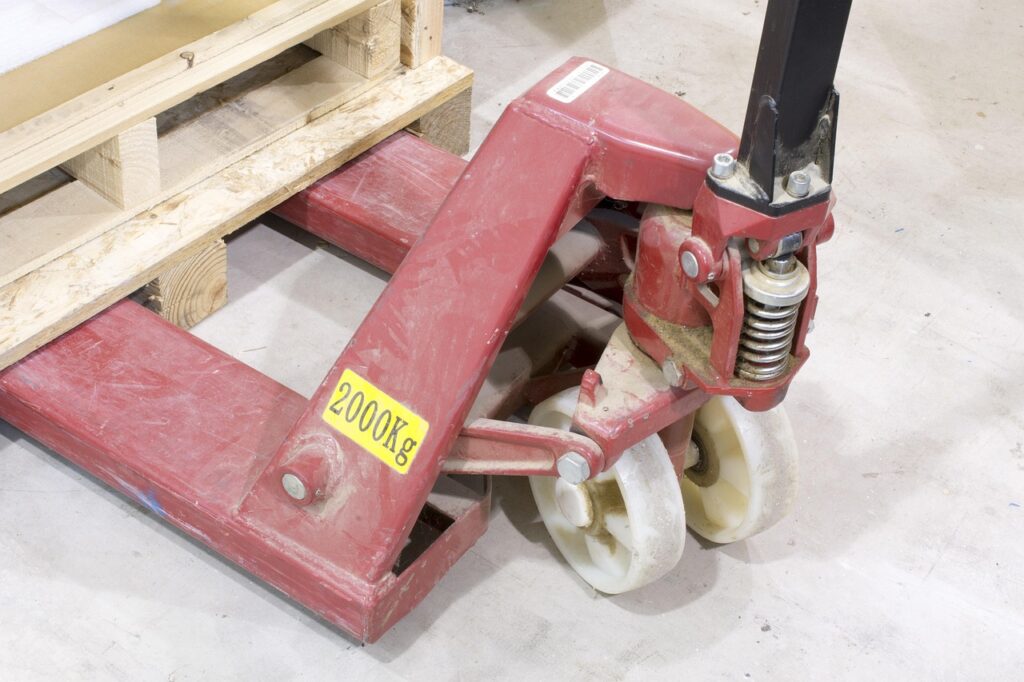
Before exploring the hidden costs, let’s review some basic concepts related to shipping pallets.
Shipping pallets are flat structures used to support goods during transportation. They make it easier for handling, storing, and shipping products. Pallets come in various sizes and materials, typically made from wood, plastic, or metal.
Shipping pallets from the UK to Kenya can be done through:
When shipping pallets, companies often underestimate several costs that can significantly increase the total shipping price. The following sections will explore these hidden costs in detail.
One of the primary hidden costs involves customs duties and taxes. When shipping goods internationally, you are typically required to pay the following:
Example: Suppose you’re shipping pallets worth £10,000. If the applicable import duty is 25%, you would owe £2,500 in duties alone. Adding VAT at 16% on the total value would increase costs by another £1,600, bringing your total to £4,100 just in duties and taxes.
In the shipping industry, unexpected events like damage or loss can occur. Insuring your shipment is crucial. However, this can also be a hidden cost.
Example: For a shipment valued at £10,000, insurance could cost between £50 to £200. While it protects your investment, businesses sometimes overlook this expense.
Handling fees are charged by shipping companies to cover the costs of loading and unloading your pallets. This fee can vary based on:
List of common handling fees:
Storage fees may apply if your items are stuck in customs or are delayed for any other reason. These costs are often charged on a daily basis.
Example: If your shipment is held in a warehouse due to incomplete documentation for three days at £30 per day, that totals £90 in unexpected storage costs.
Shipping internationally requires comprehensive documentation, which may involve fees for preparation and processing.
Example: Hiring a customs broker to help with paperwork can cost anywhere from £100 to £500, depending on the complexity of the shipment.
Currency exchange rates fluctuate constantly, which can impact total costs significantly. If the GBP depreciates against the KES (Kenyan Shilling) during the transaction, the total shipping costs can increase unexpectedly.
Example: If you initially calculated the costs at an exchange rate of 135 KES to GBP, and it shifts to 140 KES to GBP, your shipping costs in local currency will rise, making it more expensive than originally planned.
After customs clearance, your pallets will need to be delivered to their final destination within Kenya. Delivery charges can vary and often include:
Example: Delivery from Nairobi port to a rural area may cost significantly more than delivery to urban centers.
Delays can arise from many factors, including weather conditions, customs inspections, and administrative issues. These delays may incur additional costs, such as:
If your shipment fails to meet regulations or arrives damaged, return or redelivery may be necessary, leading to increased costs. Businesses must prepare for:
Understanding the hidden costs associated with shipping pallets from the UK to Kenya is essential. Here are some strategies to manage these expenses:
When shipping pallets from the UK to Kenya, businesses must look beyond the visible costs to understand the hidden expenses that can significantly affect their bottom line. Customs duties, insurance, handling fees, and more can add up quickly. By recognizing these potential costs and planning accordingly, businesses can better manage their shipping budgets and avoid costly surprises. The key is to conduct thorough research, seek professional assistance as needed, and make informed decisions to streamline the shipping process to Kenya.