Shipping to landlocked Africa may seem daunting, but with the right approach and understanding of logistics, businesses can successfully navigate the complexities of transporting goods from the UK to these unique markets. Join us as we explore essential tips to make your shipping experience smooth and efficient!
Transporting goods from the UK to landlocked African nations can be a complex logistical challenge due to several factors, including limited access to seaports, varying regulations, and infrastructural issues. However, with careful planning and an understanding of international trade logistics, businesses can successfully navigate this process. In this post, we will discuss key considerations, methods of shipping, and practical tips for moving goods from the UK to Africa’s landlocked nations.

Landlocked countries in Africa do not have direct access to oceans or seas, relying instead on their neighboring countries for transit routes. Some of the notable landlocked African countries include:
For UK businesses aiming to export goods to these nations, understanding the geographical and logistical layout is crucial for successful trade.
Before shipping, businesses must assess the nature of the goods being transported. Factors to consider include:
Landlocked African countries depend on neighboring nations’ seaports for importation. Commonly used ports include:
Customs regulations vary significantly between countries. UK exporters must familiarize themselves with:
Choosing the right freight forwarder is essential. A reputable freight forwarder can help manage the shipping process, handling everything from documentation to customs clearance. Consider these factors when selecting a forwarder:
Shipping to landlocked countries can be accomplished through several methods, each with its pros and cons.
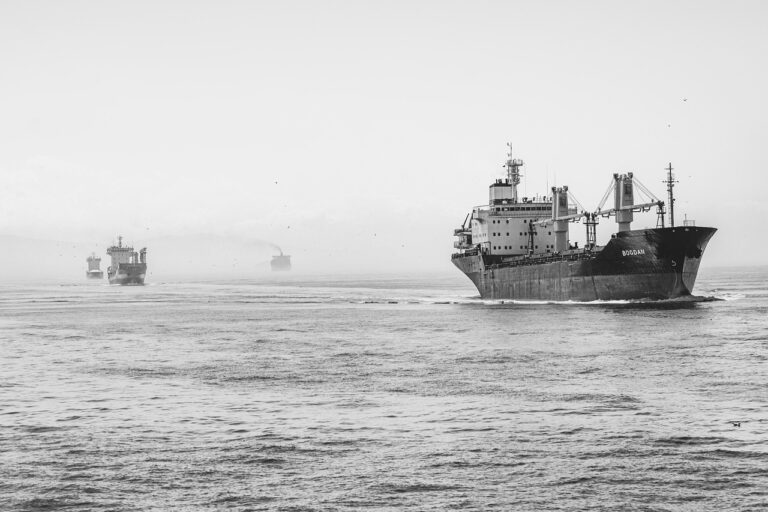
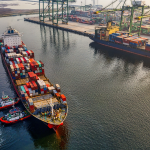
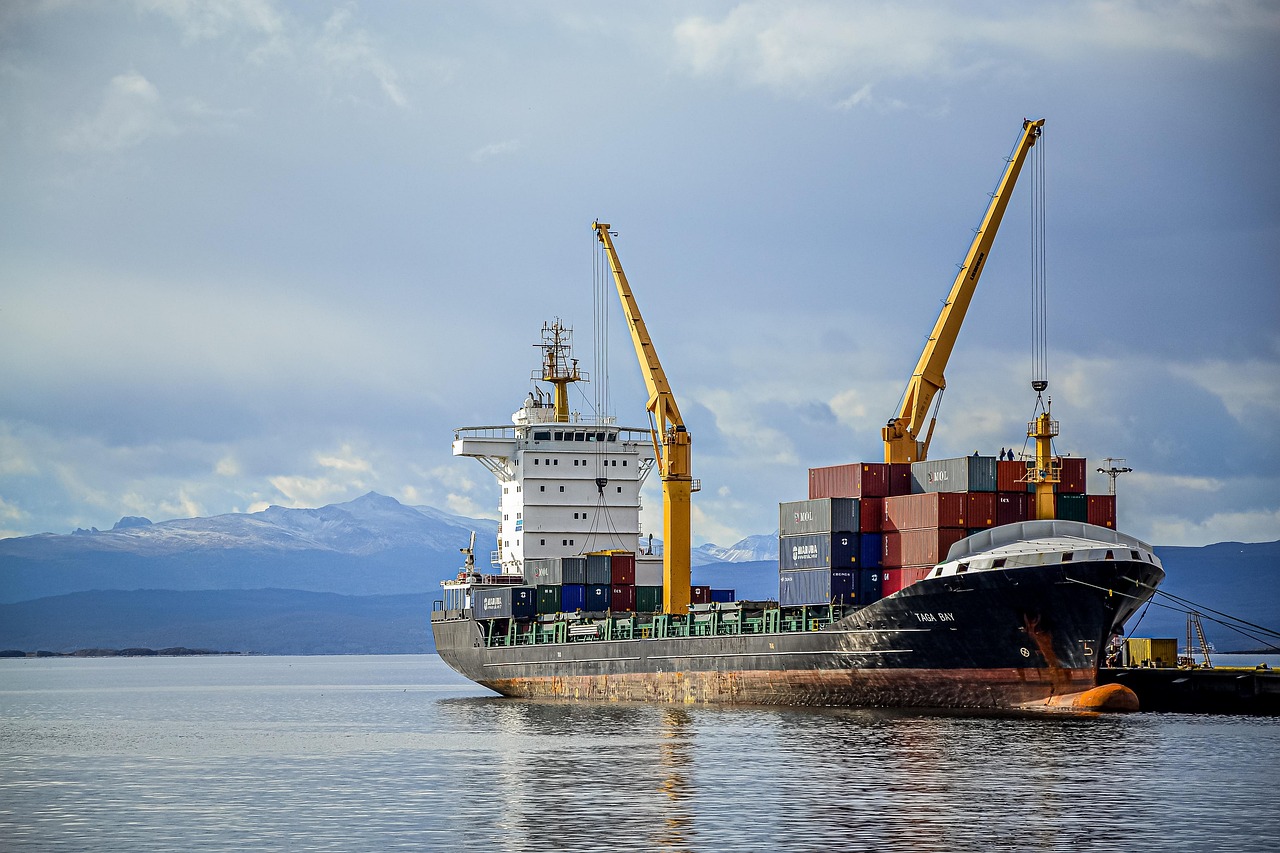
By far the most common method for international shipping, sea freight involves transporting goods via cargo ships.
A company shipping agricultural machinery to Zambia could use sea freight to transport the items from a UK port to Mombasa, and then road transport to reach its final destination.
Air freight is the quickest method for moving goods internationally.
An electronics company may choose air freight for shipping smartphones to Uganda to take advantage of the short delivery times.
Once goods arrive at a port, they often need to be transported by road. The infrastructure and conditions of roads in Africa vary, so it’s crucial to factor in:
After shipping via the port of Dar es Salaam, goods destined for Malawi would be transported by truck, ensuring compliance with local regulations and road safety.
Proper documentation is vital for seamless shipping. Here are the essential documents typically required:
Failure to provide necessary documentation can lead to delays, increased costs, or even fines.
Shipping to landlocked countries can come with various challenges:
Poor infrastructure can lead to delays and higher costs. Businesses must remain adaptable and plan for possible delays. Engaging a local logistics partner familiar with regional challenges can mitigate these issues.
Certain landlocked countries may experience political instability, which can impact logistics. Staying abreast of regional news and working with trusted local partners can help alleviate risks.
Business owners should also be aware of foreign exchange risks. Establishing pricing strategies that accommodate potential currency fluctuations is advisable.
Moving goods from the UK to landlocked African countries presents its own set of unique challenges, from understanding logistics to navigating customs regulations. By assessing the goods, selecting the right shipping methods, and engaging reputable freight forwarders, businesses can enhance their chances of success in this emerging market. While challenges such as poor infrastructure and political instability exist, they can often be mitigated through careful planning and local partnerships. As African economies continue to grow, opportunities for trade will expand, making it an increasingly important market for UK exporters.