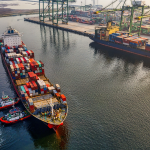
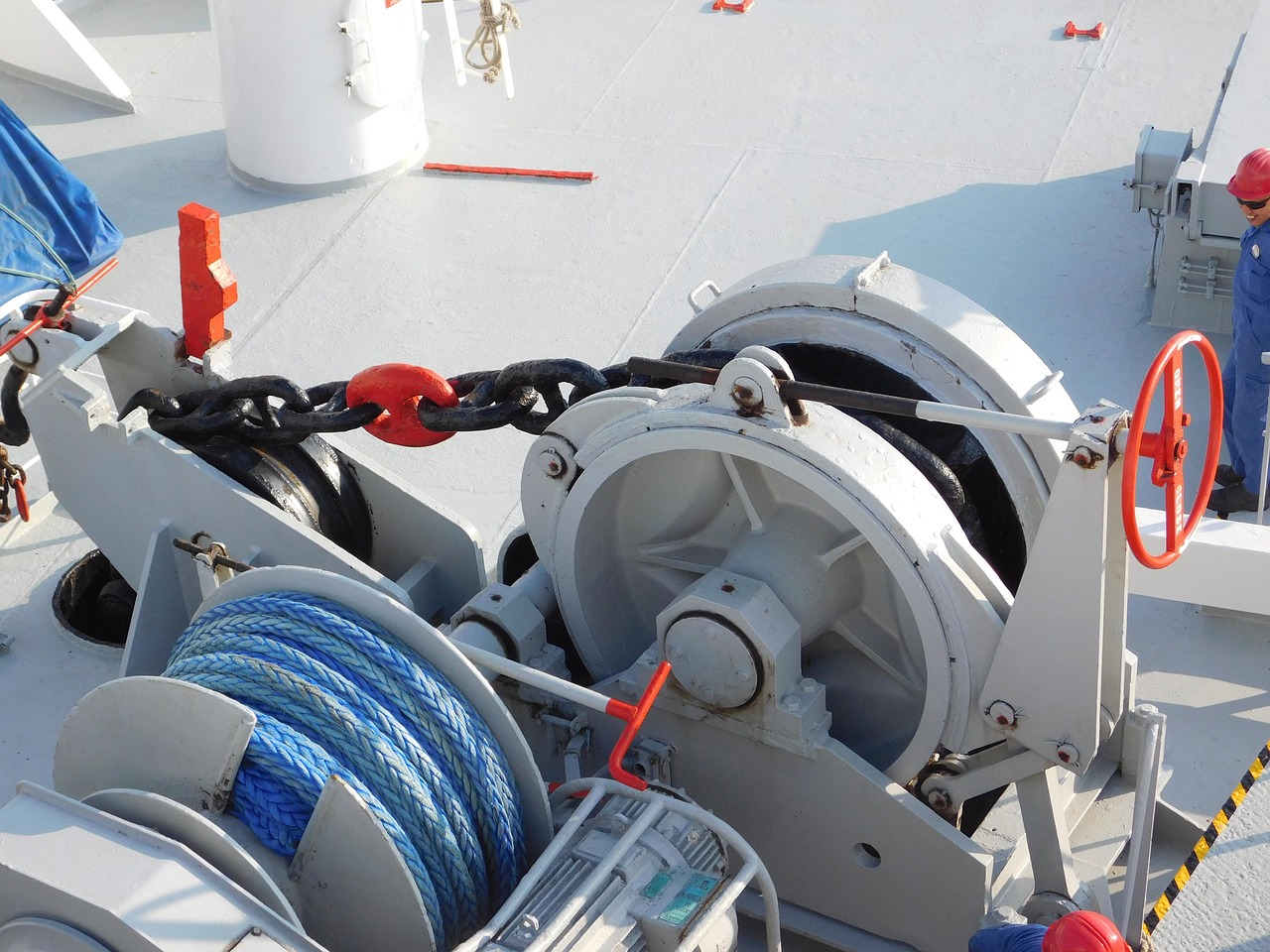
Shipping heavy equipment overseas doesn’t have to be complicated! With the right strategy and a few smart choices, you can navigate the international shipping process and ensure your machinery arrives safely and on time.
# The Smart Way to Ship Heavy Equipment Overseas
Shipping heavy equipment overseas is a critical operation for many businesses, especially in industries like construction, mining, and manufacturing. While it can seem daunting to navigate the complexities of international shipping, a smart strategy can streamline the process and minimize costs. This article delves into the essential steps, considerations, and best practices for effectively shipping heavy equipment internationally.
Understanding Your Equipment
 Before you embark on the shipping process, it’s crucial to understand the type and specifications of the equipment you plan to ship. Heavy equipment can range from bulldozers and excavators to cranes and generators. Here are some factors to consider:
- Weight and Dimensions: Know the exact weight and dimensions of your equipment, as this information will dictate shipping options and costs.
- Condition: Make sure the equipment is in good working order. If shipping non-operational equipment, additional precautions might be necessary.
- Hazardous Materials: Determine if your equipment contains any hazardous materials that require special handling or permits.
Before you embark on the shipping process, it’s crucial to understand the type and specifications of the equipment you plan to ship. Heavy equipment can range from bulldozers and excavators to cranes and generators. Here are some factors to consider:
- Weight and Dimensions: Know the exact weight and dimensions of your equipment, as this information will dictate shipping options and costs.
- Condition: Make sure the equipment is in good working order. If shipping non-operational equipment, additional precautions might be necessary.
- Hazardous Materials: Determine if your equipment contains any hazardous materials that require special handling or permits.
Selecting the Right Shipping Method
Choosing the right shipping method is critical for timely and safe transportation. Below are the common methods for shipping heavy equipment overseas:
1. Container Shipping
Container shipping is ideal for smaller pieces of heavy equipment that can fit within standard shipping containers (20-foot or 40-foot).
Advantages:
- Protection from the elements
- Lower risk of theft
- Flexible loading and unloading options
Considerations:
- Limited by size constraints
- May require disassembly of larger equipment
2. Roll-On/Roll-Off (RoRo)
RoRo shipping involves driving the equipment onto a specialized vessel directly.
Advantages:
- Suitable for functioning equipment
- Often the most cost-effective method for large machinery
Considerations:
- Exposure to weather conditions
- Requires a suitable loading and unloading ramp
3. Flat Rack Shipping
Flat rack shipping is useful for oversized equipment that cannot fit inside a container.
Advantages:
- Flexibility for large and awkwardly shaped items
- Quick loading and unloading processes
Considerations:
- Limited protection from weather and theft
- Requires careful securing of machinery
Planning the Logistics
Effective planning is vital for a smooth shipping process. Here are the key steps:
1. Documentation
Ensure that all necessary documentation is prepared. Common documents include:
- Bill of Lading: A contract between the shipper and carrier.
- Commercial Invoice: A detailed invoice specifying the equipment, its value, and terms of sale.
- Export Licenses: Some equipment may require government permission for export.
2. Choose a Reliable Freight Forwarder
Select a freight forwarder who specializes in heavy equipment transportation. They can help navigate international shipping regulations, ensure compliance, and manage the logistics more efficiently.
3. Obtain Shipping Quotes
Request quotes from multiple shipping companies. Compare services, shipping times, and costs before making a decision. Factors to consider include:
- Type of shipping method
- Transit times
- Insurance options
4. Arrange for Customs Clearance
Understand the customs regulations of both the exporting and importing countries. Ensure that all paperwork is in order to avoid delays or fines. It’s often helpful to work with customs brokers who are experienced in handling heavy equipment.
Preparing the Equipment for Shipping
Properly preparing your heavy equipment for shipping can prevent damage during transit. Here are preparation steps:
1. Cleaning
Thoroughly clean the equipment to remove dirt and debris. This step is often required to meet import regulations and prevent the spread of soil-borne diseases.
2. Disassembly
If necessary, disassemble parts of the equipment to fit them into shipping containers. Make sure to document each step for reassembly at the destination.
3. Securing
All equipment should be securely tied down or strapped to prevent shifting during transit. Use heavy-duty straps, chains, or blocks.
4. Insurance
Invest in comprehensive cargo insurance to protect your investment during shipping. Consider factors such as replacement cost and potential losses due to shipping delays.
Tracking Your Shipment
Once your heavy equipment is en route, keep track of its progress. Most freight forwarders provide tracking services that allow you to monitor shipment status in real time. This transparency can help you manage timelines and coordinate arrival at your destination.
Delivery at Destination
Once your equipment arrives at the destination port, be prepared to facilitate the delivery process:
1. Customs Clearance
Ensure that you have all necessary documents ready for customs clearance at the destination port. Work closely with your customs broker to expedite the process.
2. Picking Up the Equipment
Coordinate the pickup or delivery of your equipment from the port to your job site. Depending on the shipping method, this may require special equipment such as cranes or trucks.
3. Inspection
Upon receiving the equipment, conduct a thorough inspection to ensure it has arrived in good condition. Check for any damages and report them immediately to your insurance company if needed.
Best Practices for Shipping Heavy Equipment Overseas
To ensure a hassle-free shipping experience, consider these best practices:
- Plan Ahead: Start preparations well in advance to accommodate any potential delays.
- Work with Professionals: Rely on experienced freight forwarders and customs brokers.
- Stay Informed: Keep abreast of customs regulations and shipping restrictions in both the origin and destination countries.
- Communicate: Maintain open lines of communication with all parties involved in the shipping process.
Conclusion
Shipping heavy equipment overseas requires careful planning and execution. By understanding your equipment, selecting the right shipping method, and meticulously preparing for logistics, you can streamline the shipping process and minimize costs. Embrace the opportunities that international shipping offers while ensuring that your equipment arrives safely and on time.