
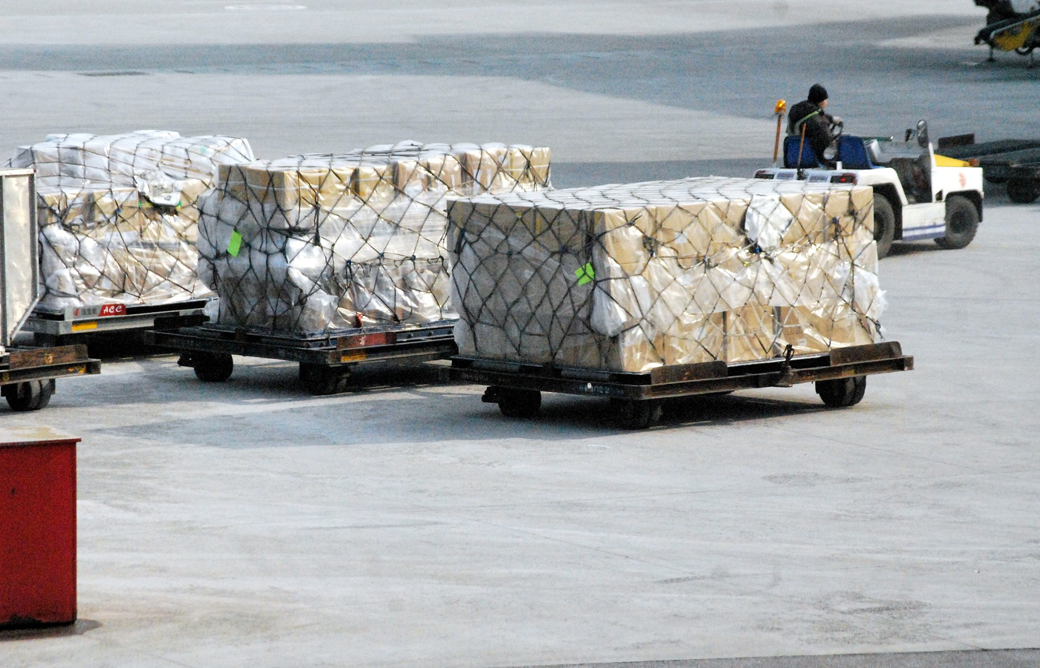
Shipping goods to Africa doesnt have to be complicated or costly! Discover how you can bypass middlemen and streamline the shipping process, ensuring a smooth journey for your products right to their destination.
Shipping goods to Africa can be a complex process, often made more challenging by the involvement of middlemen. These intermediaries not only increase costs but can also complicate logistics and create communication barriers. In this article, we will explore how to successfully ship goods to Africa directly, reducing costs and streamlining the process.

Africa is composed of 54 countries, each with its own unique economy and import regulations. Understanding the specific requirements of the country you’re shipping to is crucial. For instance:
Before shipping, research what goods are in demand in your target country. Websites like Export Genius and Trade Map provide valuable insights into what products are currently sought after in various African markets.
Depending on the nature of the goods and urgency, you need to choose the appropriate shipping method.
Several shipping companies offer direct services to Africa without using middlemen. Some of them include:
Each African country has its own import regulations. The essential documents typically required include:
Each shipment will go through customs. Research the customs regulations of the destination country to ensure compliance. It may also be beneficial to hire a customs broker who can navigate the complexities of local laws and regulations.
Building partnerships with local distributors or businesses in your target market reduces reliance on middlemen. Use platforms like LinkedIn or B2B marketplaces (like Alibaba or Tradekey) to connect directly with potential partners.
Utilizing modern technological solutions can streamline the shipping process. Consider the following tools:
It’s essential to choose reliable payment methods when dealing with African countries. Some popular methods include:
Communication can pose a challenge when dealing with local businesses. Employing bilingual staff or using translation services can facilitate smoother interactions.
Countries in Africa vary significantly in terms of infrastructure. Research potential delays due to poor road conditions or lack of transport facilities in specific regions.
Evaluate the potential risks associated with shipping to Africa. This can include political instability, changes in trade regulations, or economic fluctuations. Analyze various factors and consider purchasing insurance for valuable shipments.
A small art supply company based in the United States decided to ship products directly to Kenya. By researching the local market, they identified a growing demand for eco-friendly art materials.
The result was a successful venture where they managed to sell their goods without incurring the costs associated with middlemen.
Shipping goods to Africa without middlemen is not only possible but can also be incredibly beneficial to your bottom line. By understanding the market, selecting the right shipping methods, preparing necessary documentation, and building direct relationships in targeted countries, you can navigate the challenges and take advantage of the vast opportunities Africa offers. As you embark on your shipping journey, remember to research thoroughly, communicate effectively, and adapt to the unique challenges of the African market.