

Shipping to African ports can be tricky with various customs regulations and port congestion, but with the right knowledge and planning, you can avoid delays and ensure a smoother process. Discover our top ten tips to enhance your shipping experience and navigate the complexities of African ports like a pro!
Shipping goods to Africa can be a complex process influenced by a variety of factors including customs regulations, port congestion, and regional logistics challenges. To streamline your shipping operations and minimize delays, consider the following ten tips.
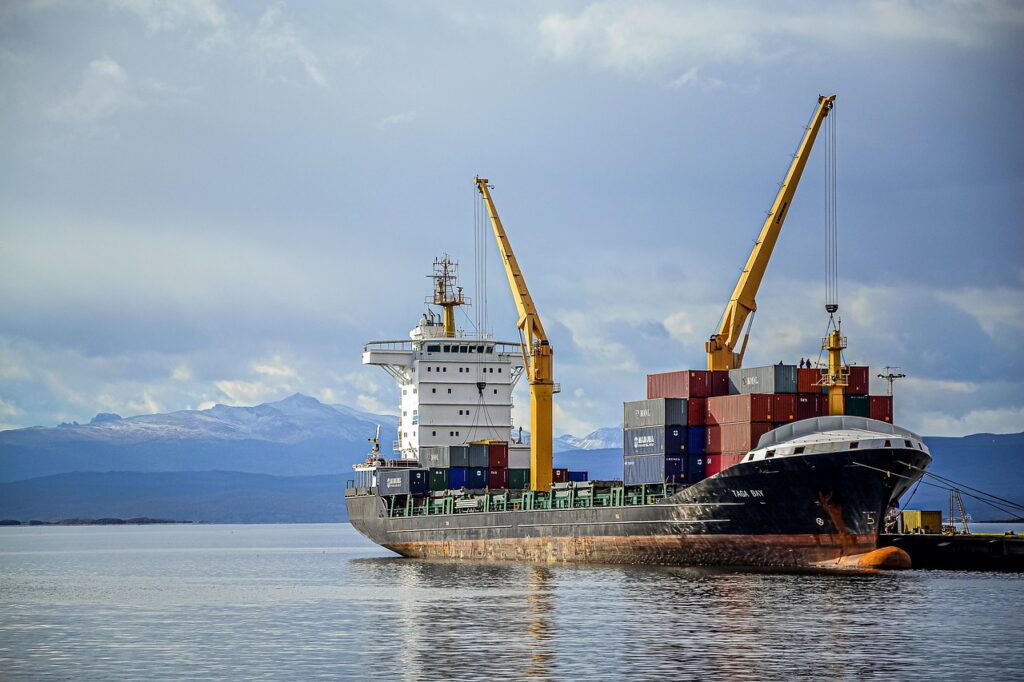
African ports vary significantly in terms of infrastructure, efficiency, and technology. Familiarize yourself with the specific port you are shipping to. Below are some notable ports and their characteristics:
Understanding the strengths and weaknesses of these ports can help in planning your shipment to avoid unnecessary delays.
Before shipping, it’s essential to research the local customs regulations of the destination country. Some common aspects to consider include:
Failure to comply with local laws can lead to significant delays, so be proactive in gathering this information.
Working with a local customs broker can be invaluable in navigating the complexities of African ports. They can assist in:
Customs brokers are often well-acquainted with local practices, which can streamline the shipping process.
Choosing the right shipping partner—whether a freight forwarder or shipping line—is essential. Consider their experience with African ports and their network in the region. Questions to ask include:
Selecting a reliable partner can mitigate risks associated with delays.
Investing in technology can make a significant difference in managing shipping timelines. Use tools such as:
By utilizing technology, you can stay informed and make timely decisions to address issues as they arise.
Complete and accurate documentation is crucial for seamless customs clearance. Essential documents typically include:
Missing or incorrect documentation can lead to significant delays, so double-check your paperwork.
If possible, consider multi-modal transport methods—using a combination of sea, rail, and road transportation can sometimes expedite delivery. For example:
This flexibility can help navigate potential bottlenecks.
Certain seasons may demand a strategic approach to shipping due to changes in weather and operational capacity. For example:
Understanding these seasonal dynamics can help plan shipments for optimal timing.
Establishing relationships with port authorities can provide insider information that helps navigate potential bottlenecks. Engaging with them can lead to:
Networking with officials at various ports can cultivate these relationships.
Political stability and economic conditions can greatly influence shipping schedules. Factors to monitor include:
Keeping abreast of these conditions can guide you in planning or adjusting your shipment strategies.
Finally, staying flexible and responsive is crucial in managing shipping operations to African ports. Last-minute changes can occur due to any number of unforeseen circumstances. A few strategies to maintain flexibility include:
An adaptable approach can significantly mitigate the impact of unexpected delays.
Shipping to African ports can present various challenges, but with careful planning and execution, you can avoid delays and ensure smooth operations. By understanding local regulations, choosing the right partners, utilizing technology, and maintaining flexibility, you can navigate the complexities of shipping and contribute to a more efficient supply chain. With these ten tips, you can take proactive steps to enhance your shipping strategies and improve your overall logistics success in Africa.