

When youre ready to prepare your goods for international freight, taking the time to understand customs regulations and choose the right packaging can make all the difference in ensuring your items arrive safely and on time. Lets dive into the essential steps to make your international shipping experience smooth and hassle-free!
When shipping goods internationally, proper preparation is essential to ensure your items arrive safely and efficiently at their destination. Understanding the nuances of international freight can save you time, money, and headaches down the line. This guide will provide a comprehensive overview of how to prepare your goods for international freight.
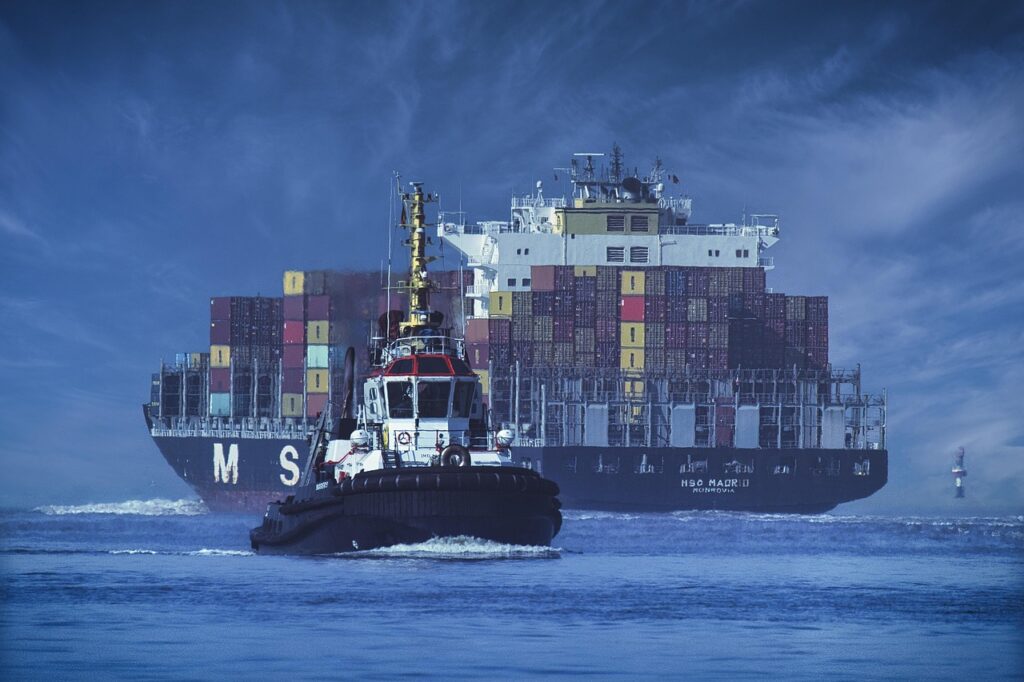
International freight refers to the transportation of goods across international borders. It includes various modes of transportation, such as air, sea, road, and rail. Each mode has different rules, costs, and transit times, which can affect how you prepare your goods.
Understanding these modes will help you determine the most suitable method for your needs and how best to prepare your goods.
Before shipping, familiarize yourself with the customs regulations of both the origin and destination countries. Each country has specific rules regarding which items can be exported or imported, what taxes apply, and the required paperwork.
Look into compliance with international shipping standards such as Incoterms, which define the responsibilities of sellers and buyers when it comes to shipping and delivery.
Proper packaging is crucial to protecting your goods during transit. Here’s how to get it right:
Clearly label all packages, including:
Documentation is paramount in international freight. Key documents may include:
Each country may require different documentation, so verify beforehand to avoid delays.
A freight forwarder can simplify your shipping process. They act as intermediaries, handling logistics, paperwork, and customs clearance.
Consider insuring your goods during transit, especially if they are high-value or fragile. Determine the type of coverage needed, and discuss it with your freight forwarder or insurance agent.
Take advantage of tracking technology provided by many shipping companies. This allows you to monitor your shipment’s progress, helpful for delivery timelines and peace of mind.
Preparing your goods for international freight involves thorough research, careful packaging, and meticulous documentation. By following these steps and understanding the regulations and requirements, you can ensure that your goods reach their destination safely and efficiently. Partnering with a reliable freight forwarder can further simplify the process, providing you with the support needed to navigate international shipping successfully. Taking the time to prepare adequately will pay off with smoother transactions and satisfied customers.