The Advantages of Platform-Based Freight Booking
In a world where efficiency and technology play crucial roles in logistics, platform-based freight booking has emerged as a game-changer. Traditional methods of freight booking can be time-consuming, cumbersome, and often fraught with errors. In contrast, platform-based solutions offer innovative approaches that transform the way businesses manage their shipping needs. This article explores the various advantages of platform-based freight booking for businesses of all sizes.
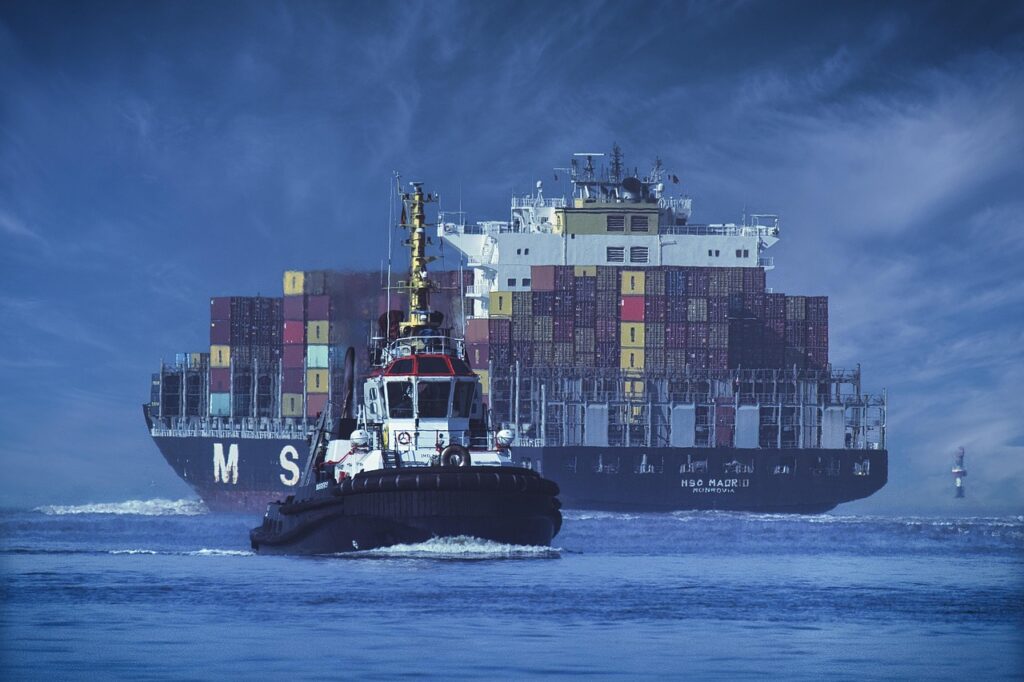
Platform-based freight booking refers to digital systems and applications that facilitate the end-to-end management of shipping logistics. These platforms typically offer functionalities that allow users to book freight transportation, track shipments, and manage documentation all in one place. Examples include online marketplaces, transport management systems (TMS), mobile applications, and freight exchange platforms.
1. Improved Efficiency
One of the most significant advantages of platform-based freight booking is the increase in operational efficiency. Traditional methods often involve paperwork, phone calls, and multiple touchpoints, leading to longer lead times and a higher chance of errors. With a platform:
- Automated Processes: Businesses can automate booking, invoicing, and payment processes, reducing manual tasks and human errors.
- Fast Comparisons: Users can quickly compare rates, routes, and carriers, enabling them to make informed decisions in real-time.
- 24/7 Access: Unlike traditional freight booking methods that operate on business hours, most platforms offer round-the-clock access, allowing businesses to book shipments at their convenience.
2. Cost Savings
Cost efficiency is a top priority for businesses, and platform-based freight booking can significantly reduce expenses in several ways:
- Competitive Pricing: Platforms often have partnerships with multiple carriers, leading to competitive pricing and better rates for users.
- Reduced Overheads: By minimizing the number of manual processes required, companies can significantly cut down operational costs linked to administration.
- Real-Time Tracking: With real-time tracking, businesses can proactively address potential delays or issues, preventing costly penalties or disruptions.
3. Enhanced Visibility and Tracking
Visibility is crucial in the supply chain. Platform-based freight booking solutions provide transparent tracking and monitoring features:
- Real-Time Updates: Users receive real-time notifications about their shipments, helping them stay informed about the status of their deliveries.
- Data Analytics: Platforms often provide analytics and reporting tools that allow businesses to track performance metrics and identify areas for improvement.
- Alerts and Notifications: Automated alerts for delays, disruptions, or changes in status help businesses react promptly and maintain customer satisfaction.
4. Improved Communication
Effective communication is essential for seamless freight operations. Platform-based freight booking enhances collaboration among all stakeholders involved:
- Centralized Information: All necessary information is stored in one place, making it easier for shippers, carriers, and customers to access the same data.
- Chat Functions: Many platforms include built-in chat functions for direct communication between parties, eliminating the need for phone calls or emails.
- Document Sharing: Essential documents like invoices, bills of lading, and shipping manifests can be shared instantly, reducing the chances of miscommunication.
5. Scalability and Flexibility
As businesses grow, their logistics needs often become more complex. Platform-based freight booking systems offer the flexibility necessary to adapt to changing demands:
- Customizable Solutions: Many platforms allow users to customize their dashboards, features, and settings according to their specific needs.
- Integration Capabilities: These platforms can seamlessly integrate with other software solutions (e.g., ERP systems, inventory management), providing a holistic approach to logistics.
- Adaptation to Market Changes: Businesses can quickly adjust their freight strategies based on real-time market conditions or changes in demand.
6. Sustainability and Environmental Impact
In recent years, sustainability has become a key focus for many companies. Platform-based freight booking can support environmental goals in various ways:
- Optimized Routes: Advanced algorithms calculate the most efficient transportation routes, reducing fuel consumption and emissions.
- Carrier Selection: Platforms often highlight carriers with sustainable practices, helping businesses align their freight operations with green initiatives.
- Carbon Footprint Tracking: Some platforms provide tools that help businesses monitor and assess their carbon footprint associated with freight movements.
7. Enhanced User Experience
User experience plays an essential role in the adoption of any technology. Platform-based freight booking solutions are designed with user-friendly interfaces that enhance usability:
- Intuitive Navigation: Simplified workflows and menus make it easy for users to book shipments, access information, and perform necessary actions without extensive training.
- Mobile Accessibility: Many platforms are mobile-friendly, allowing users to manage their logistics on-the-go, which can be particularly beneficial for businesses that operate in dynamic environments.
- Client Support: Most platforms come equipped with 24/7 customer support, offering users assistance whenever they encounter issues.
8. Access to a Larger Carrier Network
One advantage that platform-based freight booking offers is access to a wider network of carriers:
- Diverse Options: Users gain access to a broader selection of carriers, including niche providers that may not be available through traditional brokers.
- Easier Carrier Onboarding: Platforms often streamline the onboarding process for new carriers, making it easier for shippers to expand their options.
Conclusion
As the logistics industry continues to evolve, platform-based freight booking offers numerous advantages that traditional models simply cannot match. From improved efficiency and cost savings to enhanced visibility and sustainability, these platforms empower businesses to streamline their operations and maintain competitive advantages in today’s fast-paced market. Adopting these innovative solutions not only helps companies meet their logistics needs but also drives growth and sustainability in an increasingly digital world. By embracing platform-based freight booking, businesses can not only improve their operational efficiencies but also enhance overall customer satisfaction and support their long-term success.