

When preparing your cargo for shipment to Africa, choosing the right packing materials is essential to keep your goods safe and secure during transit. From sturdy wooden crates to versatile corrugated cardboard boxes, this guide will help you navigate the best packing materials for Africa-bound cargo, ensuring your items arrive in great condition.
# The Best Packing Materials for Africa-Bound Cargo
When shipping cargo to Africa, selecting the right packing materials is crucial for ensuring the safety and integrity of your goods throughout the journey. Different regions in Africa may have varying climates, handling methods, and logistical challenges, making it important to choose materials that meet the specific needs of your shipment. In this article, we will explore some of the best packing materials for Africa-bound cargo, providing examples, benefits, and guidelines to help you make informed decisions.
Understanding the Challenges of Shipping to Africa
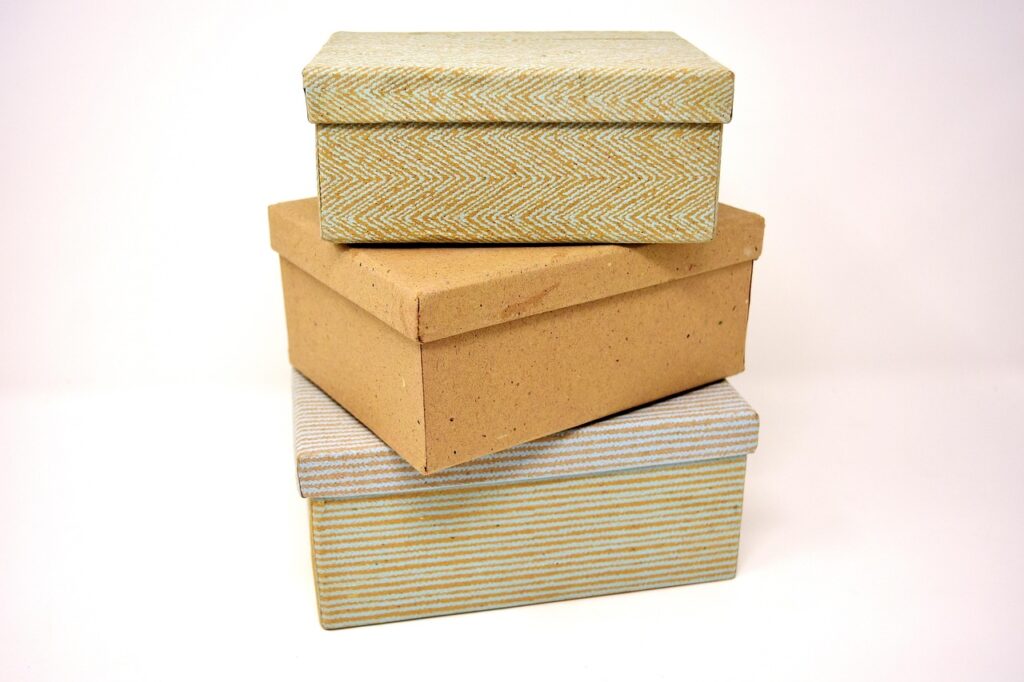 Before diving into the specific packing materials, it’s important to understand some unique challenges you may face when shipping to Africa:
- Varying Climates: Africa has a diverse climate, ranging from tropical to arid. Depending on the destination, humidity and heat can affect cargo.
- Handling Conditions: In many regions, cargo may be handled manually, increasing the risk of damage.
- Lengthy Transit Times: Depending on your origin and destination, shipments can take longer, making durable packing materials essential.
Understanding these factors will help you choose packing materials that can withstand the rigors of transit and delivery.
Before diving into the specific packing materials, it’s important to understand some unique challenges you may face when shipping to Africa:
- Varying Climates: Africa has a diverse climate, ranging from tropical to arid. Depending on the destination, humidity and heat can affect cargo.
- Handling Conditions: In many regions, cargo may be handled manually, increasing the risk of damage.
- Lengthy Transit Times: Depending on your origin and destination, shipments can take longer, making durable packing materials essential.
Understanding these factors will help you choose packing materials that can withstand the rigors of transit and delivery.
Essential Packing Materials for Cargo to Africa
1. Wooden Crates
Overview
Wooden crates provide excellent protection for heavy or fragile items. They are especially useful for machinery, electronics, and large volumes of goods.
Benefits
- Durability: Strong and robust; can withstand rough handling.
- Customizable: Can be tailored to fit the specific dimensions of your cargo.
- Reusability: Many wooden crates can be reused for future shipments.
Considerations
- Ensure that the wood is treated to meet international shipping standards (like ISPM 15).
2. Corrugated Cardboard Boxes
Overview
Corrugated cardboard boxes are widely used for their versatility and cost-effectiveness. They come in various sizes and can accommodate a wide range of products.
Benefits
- Lightweight: Reduces shipping costs compared to heavier materials.
- Easy to Handle: Simple to stack and store.
- Customization: Available in different sizes and designs, making them suitable for nearly any product.
Considerations
- While durable, they may not provide sufficient protection for extremely heavy or delicate items, especially in humid conditions.
3. Stretch Wrap
Overview
Stretch wrap is a plastic film used to secure items to pallets. It is particularly effective for ensuring that loads remain stable during transport.
Benefits
- Moisture Resistance: Protects cargo from moisture and dust.
- Cost-Effective: An economical way to secure multiple items together.
- Visibility: Allows for quick inspections of sealed items.
Considerations
- Not suitable for protecting fragile items individually; should be used in conjunction with other materials.
4. Bubble Wrap
Overview
Bubble wrap is a lightweight, inflatable packaging material that cushions fragile items during transport. It's commonly used for glassware, electronics, and delicate components.
Benefits
- Shock Absorption: Provides excellent cushioning for delicate items.
- Versatile: Can be wrapped around various shapes and sizes of products.
- Lightweight: Adds minimal weight to shipments.
Considerations
- Not suitable as a sole packaging solution; should be used in combination with outer packaging.
5. Foam Packing Peanuts
Overview
Foam packing peanuts are loose fill materials that can fill voids in packaging, preventing movement and minimizing the risk of damage.
Benefits
- Lightweight: Adds very little weight to the shipment.
- Eco-friendly Options: Available in biodegradable materials.
- Versatile: Can conform to various shapes, protecting odd or irregularly shaped items.
Considerations
- Can be messy if not contained properly; use them inside boxes rather than as exterior packing.
6. Pallets
Overview
Pallets are essential for transporting goods, especially large volumes or heavy items. They allow for easier handling with forklifts and can be made from wood, plastic, or metal.
Benefits
- Stability: Keeps heavier and bulkier items stable for transport.
- Standardized Sizes: Facilitates stacking and storage.
- Reusability: Especially in the case of quality wooden or plastic pallets.
Considerations
- Make sure to comply with local regulations regarding pallet materials to prevent any shipping delays.
Best Practices for Packing Cargo to Africa
1. Assess Cargo Needs
Every shipment is different; evaluate the specific requirements of your cargo.
- Weight and Size: Choose materials that can support the weight and dimensions of your items.
- Fragility: Identify any items that need special protection.
- Temperature Sensitivities: For sensitive items, consider insulating materials or temperature-controlled containers.
2. Use Proper Packing Techniques
- Secure Loose Items: Use bubble wrap, foam, or packing peanuts to secure items within boxes.
- Label Clearly: Mark boxes with fragile labels if necessary and indicate handling instructions.
- Avoid Overloading: Keep boxes within weight limits to prevent crushing and damage.
3. Consider Regulatory Compliance
Before shipping, ensure compliance with:
- Packing Standards: Follow guidelines like ISPM 15 for wooden packaging.
- Destination Requirements: Check if specific packaging materials are permitted or prohibited in your destination country.
4. Plan for Customs Clearance
- Document Everything: Make sure packaging is clearly labeled and accompanied by the necessary shipping documentation.
- Be Prepared for Inspections: Ensuring your packing is secure will help expedite any customs inspections.
Conclusion
When shipping cargo to Africa, the choice of packing materials can have significant implications for the safety and integrity of your goods. By understanding the unique challenges and requirements of your shipment, you can select the best materials—such as wooden crates, corrugated boxes, and cushioning materials like bubble wrap and packing peanuts.
With careful planning and adherence to packing best practices, you can ensure that your cargo arrives in excellent condition, ready for its final destination.