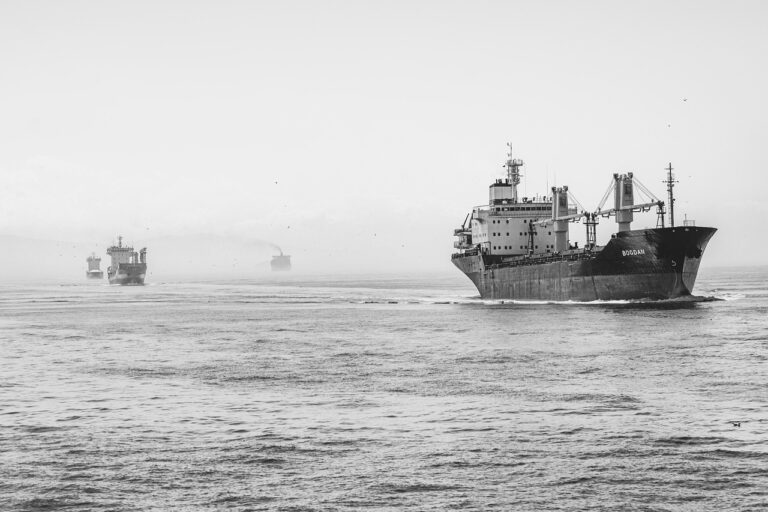
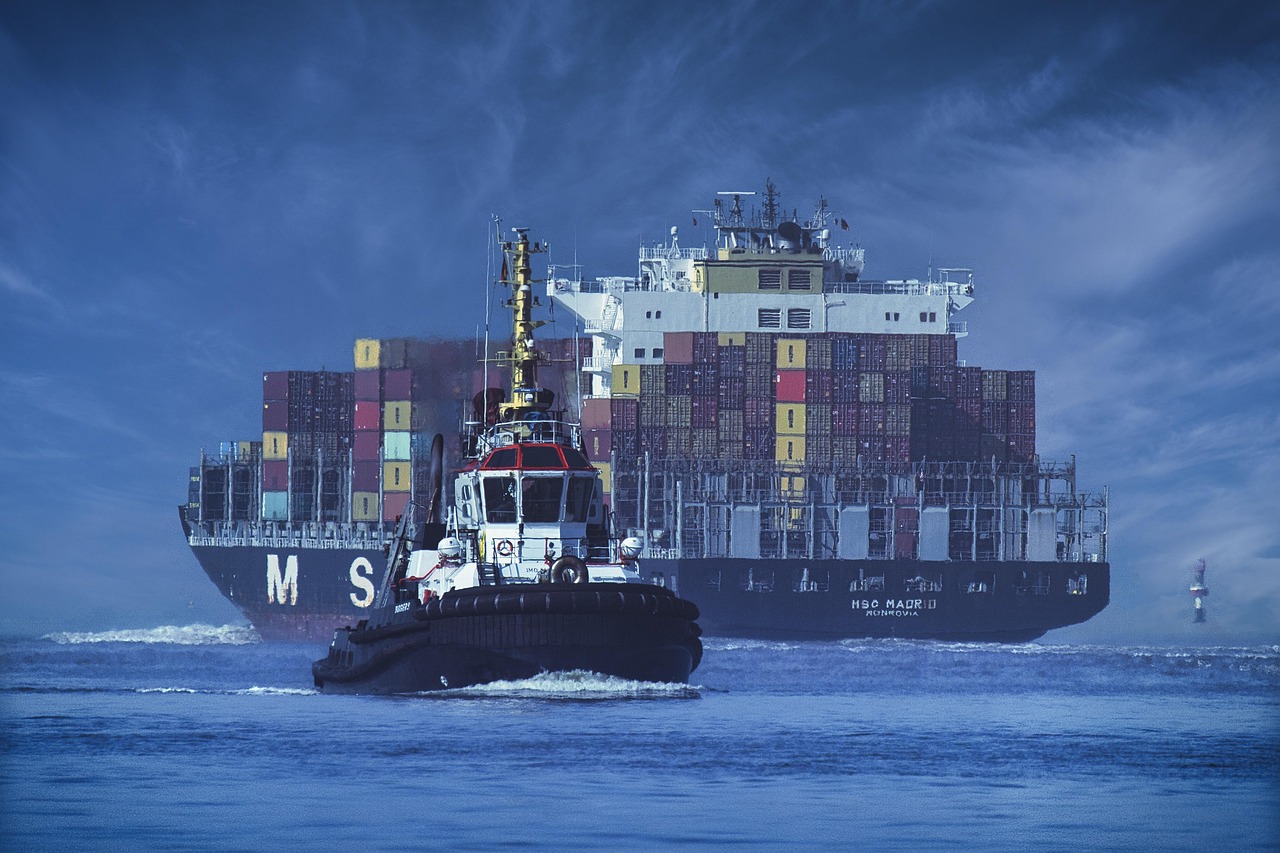
oversized heavy freight illustration for The Ultimate Guide to Handling Oversized and Heavy Freight

The Ultimate Guide to Handling Oversized and Heavy Freight

Transporting oversized heavy freight can seem daunting, but with the right planning and equipment, you can navigate the challenges and ensure a smooth shipment every time. This guide will walk you through the essentials of managing these unique logistics with ease!

A Guide to Handling Oversized and Heavy Freight

Transporting oversized and heavy freight presents unique challenges that require planning, expertise, and the right equipment. This guide provides an overview of the factors to consider, the different modes of transport available, and tips for ensuring a successful shipment.
Understanding Oversized and Heavy Freight

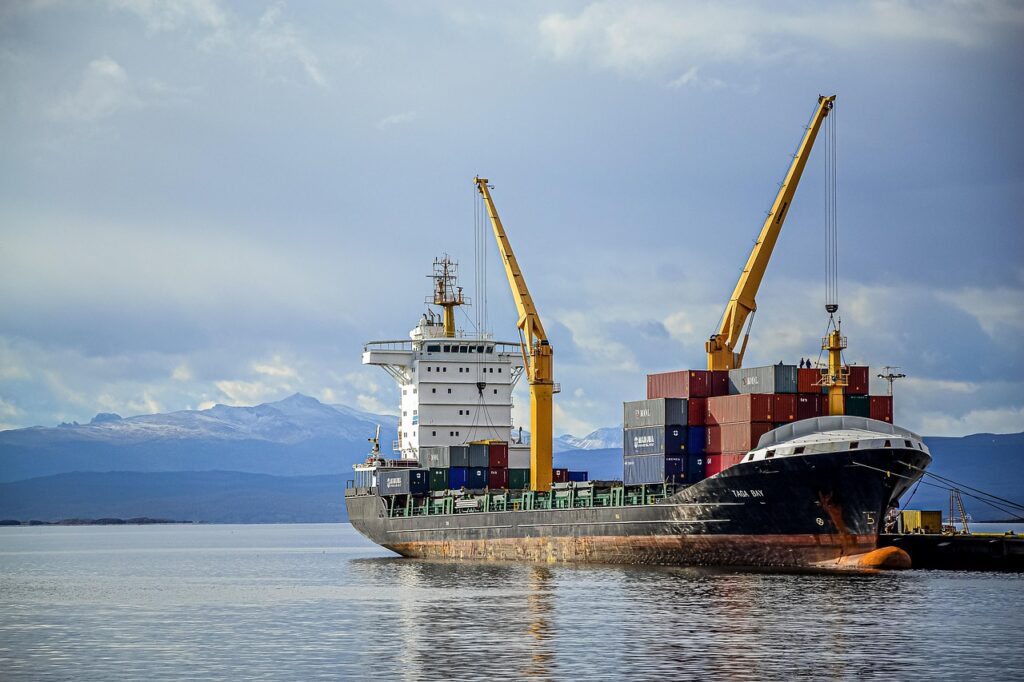
oversized heavy freight illustration for The Ultimate Guide to Handling Oversized and Heavy Freight

What Constitutes Oversized and Heavy Freight?

Freight that exceeds the standard dimensions or weight limits defined by transportation authorities is considered oversized or heavy. Common definitions include:

  • Oversized Freight: Items that exceed standard transport dimensions, typically over 8.5 feet in width or 13.5 feet in height.
  • Heavy Freight: Shipments that weigh over 10,000 pounds, often requiring specialized equipment for loading and unloading.

Examples of Oversized and Heavy Freight

  • Machinery and industrial equipment
  • Construction materials (e.g., steel beams, prefabricated structures)
  • Vehicles (e.g., buses, trucks, large boats)
  • Wind turbine components
  • Heavy-duty generators and transformers

Choosing the Right Transportation Mode

1. Truck Transport

Truck transport is one of the most prevalent methods for moving oversized and heavy freight due to its flexibility and extensive network. There are several types of trucks designed specifically for heavy loads:

  • Flatbed Trailers: Ideal for loads that can be secured and do not require protection from the elements.
  • Drop Deck Trailers: Feature a lower deck, making them suitable for tall shipments.
  • Removable Gooseneck Trailers: Allow for easier loading of particularly heavy equipment.

2. Rail Transport

Rail transport is often a cost-effective solution for moving heavy freight over long distances. Key benefits include:

  • Higher weight capacity compared to trucks
  • Reduced fuel consumption
  • Lower carbon emissions

However, rail transport also has limitations such as limited routing flexibility and potential delays related to scheduling with rail companies.

3. Air Transport

Air transport is the fastest method for moving heavy or oversized cargo but is typically more expensive. It is suitable for:

  • Time-sensitive shipments
  • Emergency equipment replacement

4. Sea Freight

Using container ships and specialized vessels can accommodate very large and heavy items, including:

  • Infrastructure components (e.g., bridges, large turbines)
  • Vehicles and heavy machinery

Sea freight involves longer transit times but can be more economical for huge shipments.

Key Considerations for Transporting Oversized and Heavy Freight

1. Permits and Regulations

Transporting oversized and heavy freight often requires specific permits, which vary by state or country. Common regulations include:

  • Weight limits
  • Height and width restrictions
  • Designated transport routes

2. Loading and Unloading

Proper loading and unloading procedures are critical for safety and efficiency:

  • Use Equipment: Cranes, forklifts, and rigging equipment should be employed based on the load.
  • Ensure Stability: Make sure the cargo is balanced and secure during transportation.
  • Plan the Site: Identify the best access points for loading and unloading before the transport begins.

3. Packaging and Protection

Protecting oversized freight during transport is vital to prevent damage:

  • Use robust packaging materials designed for heavy loads.
  • Ensure all items are shrink-wrapped or covered to protect from elements.

Strategies for Successful Freight Management

1. Work with Specialists

Partnering with logistics companies that specialize in oversized and heavy freight can simplify the process. Look for companies that provide:

  • Experience in handling specialized shipments
  • Knowledge of necessary permits and routes
  • Access to necessary equipment

2. Develop a Detailed Plan

Establishing a comprehensive logistics plan is essential. Consider the following elements:

  • Timeline: Estimate the entire transport duration including loading, transit, and unloading time.
  • Route Planning: Identify the best route considering size restrictions and potential obstacles.
  • Monitoring: Use tracking technology to monitor the shipment’s progress in real-time.

3. Communication

Effective communication with all stakeholders (transport companies, consignees, and suppliers) is essential. Keep them informed about:

  • Schedules
  • Any changes or delays
  • Requirements for unloading and receiving the shipment

Conclusion

Handling oversized and heavy freight involves multiple considerations, including selecting the right transport mode, securing the necessary permits, and employing proper loading techniques. By working with experienced logistics professionals, creating a detailed shipment plan, and maintaining clear communication, businesses can navigate the complexities of transporting large and heavy items effectively. With careful planning, transporting oversized freight can be a seamless process, enabling companies to meet their operational needs while ensuring safety and compliance.