

As the logistics landscape evolves, online freight exchanges are gaining trust by revolutionizing the way shippers and freight carriers connect, offering enhanced transparency and advanced technology that empower businesses to thrive. Discover the key factors behind this rise in reliability and why many are turning to online freight exchanges for their shipping needs.
# Why Online Freight Exchanges Are Gaining Trust
The logistics and transportation industry has witnessed a significant transformation in recent years. One of the most prominent changes is the rise of online freight exchanges, which have revolutionized how shippers and freight carriers interact. As these platforms continue to gain traction, it’s essential to explore the underlying factors contributing to their increasing trustworthiness. This article delves into several key aspects that explain why online freight exchanges are becoming a reliable choice for businesses worldwide.
Understanding Online Freight Exchanges
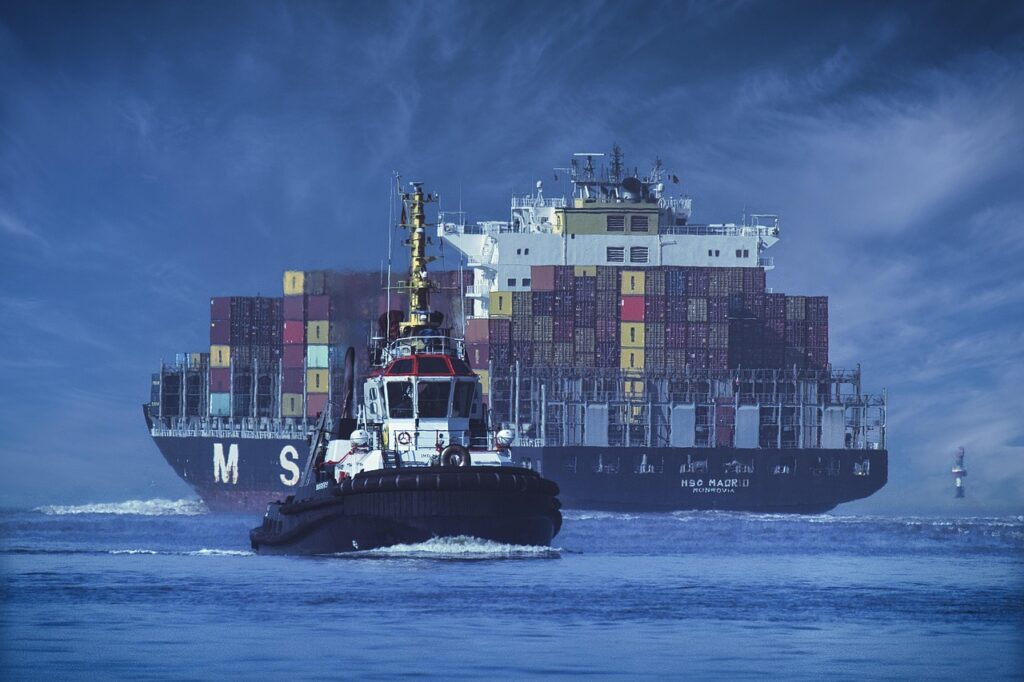 Online freight exchanges are digital platforms that connect shippers with freight carriers. They act as intermediaries, allowing users to list freight shipments, receive bids from carriers, and manage logistics seamlessly. Typically, these platforms offer features such as:
- Load Boards: Allowing shippers to post shipments and carriers to find available loads.
- Rating Systems: Enabling users to verify carriers through ratings and reviews.
- Integrated Payment Systems: Streamlining transactions between shippers and carriers.
- Real-time Tracking: Providing visibility into the shipping process.
Online freight exchanges are digital platforms that connect shippers with freight carriers. They act as intermediaries, allowing users to list freight shipments, receive bids from carriers, and manage logistics seamlessly. Typically, these platforms offer features such as:
- Load Boards: Allowing shippers to post shipments and carriers to find available loads.
- Rating Systems: Enabling users to verify carriers through ratings and reviews.
- Integrated Payment Systems: Streamlining transactions between shippers and carriers.
- Real-time Tracking: Providing visibility into the shipping process.
Factors Contributing to Trust in Online Freight Exchanges
1. Enhanced Transparency
Transparency has become a critical factor in building trust within the freight industry. Online freight exchanges provide a level of clarity that traditional methods often lack.
- Real-time Information: Shippers can track their shipments in real-time, knowing the exact location and expected delivery time of their cargo.
- Review Systems: User ratings and reviews allow shippers to make informed decisions, thus paving the way for trustworthy relationships.
2. Robust Technology Integration
The integration of advanced technologies has bolstered the reliability of online freight exchanges. By leveraging innovations such as artificial intelligence (AI) and machine learning, these platforms offer improved services, enhancing user trust.
- Automated Matching: Technology can efficiently match loads with the right carriers based on numerous variables, ensuring timely and efficient transportation.
- Predictable Pricing Models: Algorithms can provide estimated costs, allowing shippers to budget more effectively.
3. Streamlined Operations
By simplifying various processes involved in freight transport, online freight exchanges have earned the confidence of users looking for efficiency. Processes that once took hours or days are now condensed into minutes thanks to seamless interfaces and automation.
- Quick Load Posting and Bidding: Shippers can quickly post their loads and receive bids from carriers almost instantaneously.
- Easy Communication: Built-in messaging features allow shippers and carriers to converse regarding shipment specifications, minimizing miscommunication.
4. Increased Competition
The competitive nature of online freight exchanges has resulted in better services for users. More options mean that shippers can select carriers that perfectly fit their needs, promoting overall satisfaction.
- Diverse Options: Users can choose from a multitude of carriers, enabling them to select those with the best reputation, pricing, and service quality.
- Better Rates: The open marketplace facilitates competitive pricing, ensuring shippers get better deals.
5. Commitment to Customer Service
Many online freight exchanges prioritize customer service as a vital aspect of their offerings. As businesses interact more with these platforms, the level of attention they receive plays a crucial role in trust development.
- Dedicated Support Teams: Reputable platforms often have support teams available to address issues that arise during the shipping process.
- User Education: Some exchanges provide resources and training for both shippers and carriers, enhancing user confidence.
Examples of Successful Online Freight Exchanges
1. Uber Freight
Uber Freight has emerged as a significant player in the online freight exchange market. The platform offers an easy-to-use interface and a plethora of features that simplify the logistics process.
- Instant Pricing: Shippers can see prices in real-time, allowing them to make quick decisions.
- Back-end Support: Uber Freight provides support for both shippers and carriers, fostering trust through reliability and responsiveness.
2. Convoy
With a focus on sustainability and ethics, Convoy offers a unique perspective in the freight exchange landscape. Their commitment to reducing waste and emissions has attracted a loyal customer base.
- Transparency in Pricing: Convoy uses data to ensure pricing is clear and fair for both shippers and carriers.
- Social Responsibility: Their ethical approach enhances brand loyalty, making users more inclined to trust the platform.
3. DAT Freight & Analytics
DAT has a long-standing reputation in the logistics industry and has adapted to the digital age with a robust online freight exchange.
- Data-Driven Insights: Users have access to analytics that help them make informed decisions regarding their freight transactions.
- Established Network: DAT’s extensive experience and established network lend credibility to their platform.
Addressing Challenges and Concerns
Despite the many advantages, it’s also crucial to address the challenges and concerns associated with online freight exchanges. Cybersecurity, regulatory compliance, and the need for user education are significant issues that platforms must continuously manage.
1. Cybersecurity
As more sensitive information is shared online, concerns surrounding cybersecurity rise. Reputable platforms are prioritizing cybersecurity measures to protect user data.
- Encryption Technology: Uses encryption methods to secure sensitive information.
- Regular Security Audits: Conducts audits to identify vulnerabilities and enhance security.
2. Regulatory Compliance
Navigating the complex regulatory landscape is a challenge for online freight exchanges. Compliance issues can deter users, but platforms that demonstrate adherence to industry regulations can foster trust.
- Licensing and Certifications: Establishes legitimacy by ensuring all operations comply with local and national regulations.
- Educational Resources: Provides users with guidance on regulatory matters to promote transparency.
3. User Education
Educating users on how to utilize online freight exchanges effectively is essential for promoting trust and ensuring they can maximize the benefits of these platforms.
- Webinars and Tutorials: Regularly offers training resources to help users navigate features.
- FAQs and Support: Maintains robust support resources to assist users.
Conclusion
The increasing trust in online freight exchanges stems from a combination of transparency, technology integration, streamlined operations, competition, and commitment to customer service. As these platforms continue to innovate and address challenges, they will likely play an increasingly pivotal role in the logistics and transportation industry. Shippers and carriers alike are discovering that the advantages gleaned from online freight exchanges far outweigh the traditional methods, leading to a new era of efficiency and reliability in freight transport.