Navigating the bustling world of global trade, understanding the top ocean freight routes to Africa is essential for businesses looking to optimize their logistics and enhance reliability. Discover the key connections that link Europe’s major ports to Africa, making ocean freight routes Africas lifeline for growing economic opportunities.
The transportation of goods via ocean freight is a critical component of global trade, particularly for the dynamic economic landscape between Europe and Africa. With a growing demand for various products across the African continent, understanding the top ocean freight routes can help businesses optimize their logistics, reduce costs, and enhance reliability. In this article, we will explore the major ocean freight routes from Europe to Africa, highlighting their significance and efficiency.
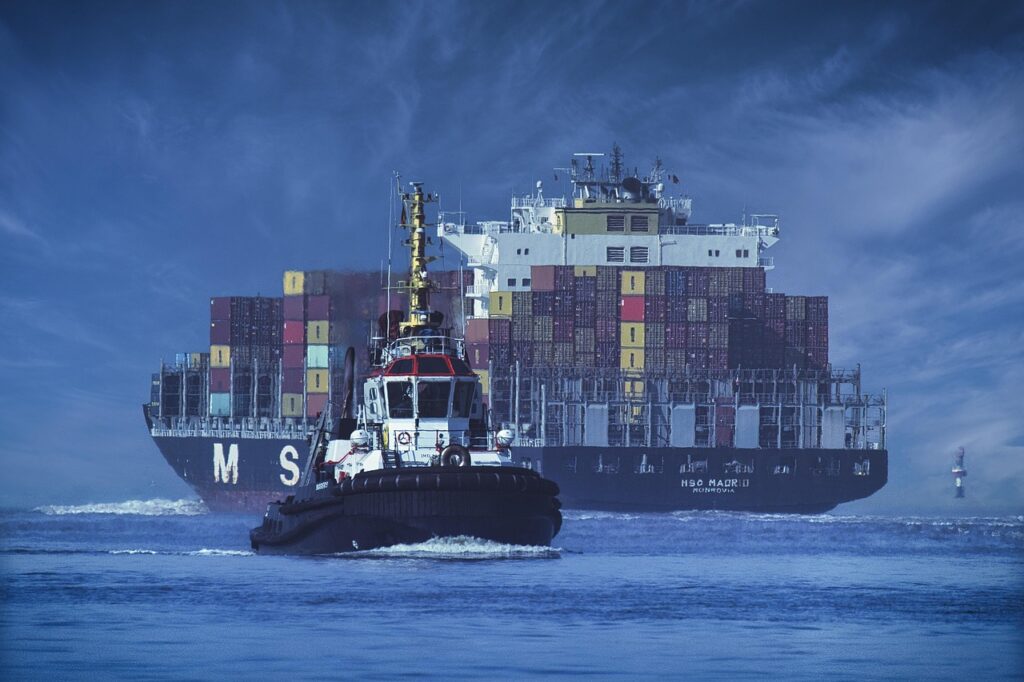
Ocean freight is the process of shipping goods via cargo ships. Companies use this method primarily for large shipments of bulk goods, containers, and specialized freight. The advantages of ocean freight include:
Overview: This route connects various ports in Southern Europe, such as Genoa and Barcelona, directly to North African ports like Tangier and Algiers.
Characteristics:
Example: A company shipping electronics from Barcelona to Tangier can optimize delivery times by utilizing this route.
Overview: This route primarily connects ports in Western Europe, especially in France and the UK, to major ports like Lagos and Abidjan.
Characteristics:
Example: A construction company in France might ship building materials to Lagos, leveraging this route for timely deliveries.
Overview: This route links ports in Northern and Western Europe, such as Hamburg and Rotterdam, with East African ports like Mombasa and Dar es Salaam.
Characteristics:
Example: A machinery manufacturer in Germany might choose this route to deliver equipment to a regional supplier in Kenya.
Overview: This route connects major European ports like Rotterdam and Antwerp to South Africa’s Durban port.
Characteristics:
Example: A retailer in the Netherlands shipping clothing to South Africa would utilize this route.
Different types of cargo require different handling and shipping logistics. For instance, perishable goods may necessitate faster shipping routes, while bulk goods can tolerate longer transit times.
Pricing varies significantly between routes. Companies often choose routes based on their budget constraints while balancing efficiency and reliability.
The urgency of shipments will heavily influence route selection. For time-sensitive goods, companies might opt for shorter routes or faster vessels.
Some companies prioritize routes based on port infrastructure and accessibility. Well-developed ports can expedite customs clearance and overall logistics.
While ocean freight presents numerous advantages, various challenges must be recognized:
Weather conditions can significantly impact shipping schedules. Storms and rough seas can lead to delays.
Political issues in certain African regions can disrupt trade and affect shipping routes. Businesses should stay informed about the political landscape.
Busy ports can create bottlenecks, leading to delayed shipping times and increased costs.
Understanding the top ocean freight routes from Europe to Africa is vital for businesses engaged in international trade. By leveraging the right routes, companies can streamline operations and enhance supply chain efficiency. As trade between these two regions continues to grow, knowledge of shipping logistics will play a crucial role in achieving competitive advantages. By carefully considering factors like cargo type, shipping costs, and transit times, businesses can make informed decisions that facilitate seamless shipping operations.