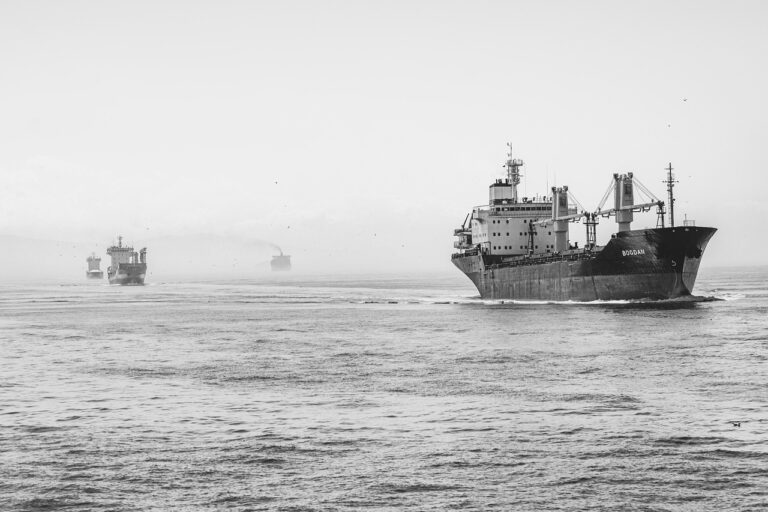
Moving Commercial Cargo from Europe into Africa Made Simple
Transporting commercial cargo from Europe into Africa is a complex process that requires careful planning, logistics management, and an understanding of trade regulations. Whether your business is involved in exporting goods or importing products for sale within Africa, navigating this process can be simplified with the right knowledge and strategic approaches. This article aims to demystify the logistics of moving commercial cargo across these regions and offers practical advice to streamline your operations.
Understanding the Key Considerations

Before diving into the logistics of cargo movement, it’s essential to recognize some key considerations:
1. Regulatory Compliance
Each African country has its own set of import regulations. Understanding these rules is critical to avoiding legal obstacles. Key factors to consider include:
- Customs regulations: Each country will have different tariff codes and restrictions on specific goods.
- Tariffs and Duties: Know what taxes and fees will be applicable.
- Documentation: Ensure you have the correct paperwork, including invoices, packing lists, and certificates of origin.
2. Logistical Challenges
Moving goods across continents can present logistical challenges. These include:
- Transportation Methods: Deciding between air, sea, or land transport depending on cost, speed, and nature of goods.
- Transit Times: Consider potential delays due to weather, customs processing, or transport strikes.
- Handling and Storage: Determine the requirement for warehousing, loading, and unloading services.
3. Cultural Differences
Understanding cultural differences can enhance your business dealings and customer interactions. This includes:
- Negotiating styles: Different countries might prefer different approaches. Researching these beforehand can lead to more fruitful negotiations.
- Business etiquette: The way you conduct yourself can impact relationships with local partners.
Choosing the Right Shipping Method
1. Air Freight
Air freight is the quickest method to transport cargo but also the priciest. It is ideal for:
- High-Value Goods: Electronics, pharmaceuticals, and time-sensitive items fit here.
- Small Volumes: When shipping smaller quantities that don’t justify sea freight’s longer transit time.
Pros:
- Fast shipping times
- Reduced risk of damage
Cons:
- Higher costs
- Weight and size limitations
2. Sea Freight
Sea freight is the most economical way to ship large volumes of goods. This approach is suitable for:
- Bulk Cargo: Commodities like agricultural products, minerals, and machinery fall into this category.
- Non-urgent Shipments: When you have flexibility in your delivery timeline.
Pros:
- Cost-effective for large volumes
- Able to ship bulky items
Cons:
- Slower transit times
- More complex logistics with multiple handling points
3. Land Transport
For countries sharing borders with European nations, land transport may be an effective solution. It’s particularly useful when:
- Shipping to Landlocked Countries: Such as Mali, where road transport may be the only option.
- Regional Distributions: Delivering goods to neighboring countries after arriving by sea or air.
Pros:
- Flexible routing through regional networks
- Faster than sea freight in some instances
Cons:
- Infrastructure challenges
- Political instability in certain regions may pose risks
Efficient Packing and Handling
Once you choose a shipping method, the next step involves efficient packing and handling of the cargo. Follow these guidelines:
1. Use the Right Packaging Materials
Invest in high-quality packaging materials that can withstand the rigors of transportation, such as:
- Wooden crates for heavy items
- Pallets for bulk transportation
- Bubble wrap and foam for delicate goods
2. Labeling and Documentation
Correct labeling is vital for the smooth handling of your cargo through customs. Essential information to include:
- Destination Address: Ensure clarity and accuracy.
- Contents Description: A detailed list of items including quantities.
- Handling Instructions: Clearly state any special handling requirements.
3. Insurance
Protect your cargo with the appropriate insurance coverage. This includes:
- Marine Cargo Insurance: Covers damage or loss while in transit.
- Comprehensive Coverage: Accounts for theft, liability, and other potential risks.
4. Consider Seasonality
Be aware of seasonal influences which might affect shipping times:
- Cyclones and Monsoons: These can impact shipping schedules, especially for sea freight.
- Peak Seasons: Late Q4 is typically busier; plan accordingly for potential delays.
Working with Freight Forwarders
Partnering with a freight forwarder can simplify your shipping process significantly. Consider the following:
1. Industry Expertise
Freight forwarders are experienced in logistics, customs regulations, and efficient routing. They serve to advise you on:
- Cost-effective shipping methods
- Documentation requirements
2. Network Access
Freight forwarders often have existing relationships with shipping lines, airlines, and customs brokers. This can enable:
- Better pricing on shipping rates
- Faster processing through customs
3. Real-time Tracking
Modern freight forwarders provide tracking services that keep you informed about your cargo’s journey. This offers:
- Enhanced visibility: Know where your cargo is at any time.
- Improved communication: Quickly address issues as they arise.
Case Study: A Successful Shipment Example
To illustrate these principles, let’s consider a fictional example of a European electronics manufacturer exporting goods to Kenya.
The Scenario
- Goods: Electronics, including laptops and smartphones.
- Destination: Nairobi, Kenya.
- Method: Sea Freight.
The Process
- Planning: The manufacturer consults with a freight forwarder to determine the best shipping route and method, settling on sea freight due to high volume.
- Packaging: Goods are packed into sturdy crates, with clear labels indicating contents and handling instructions.
- Documentation: The forwarder helps prepare all necessary documentation, including invoices and certificates of origin.
- Shipping: The crates are loaded onto a cargo ship headed to Mombasa, Kenya, with a scheduled delivery time of two weeks.
- Customs Clearance: Upon arrival, the forwarder manages customs clearance, ensuring all duties and tariffs are paid.
- Final Delivery: Goods are then transported via land freight to Nairobi and delivered to the manufacturer’s warehouse.
Conclusion
Moving commercial cargo from Europe to Africa can seem daunting, but with the right strategies and partners, the process can be streamlined effectively. By understanding regulations, choosing the right shipping method, and ensuring careful handling and documentation, businesses can minimize risks and enhance efficiency in their trade operations. Partnering with a reliable freight forwarder can further simplify logistics, allowing businesses to focus on growth and opportunity in the African market. Remember, preparedness is key to navigating this intricate process successfully.