
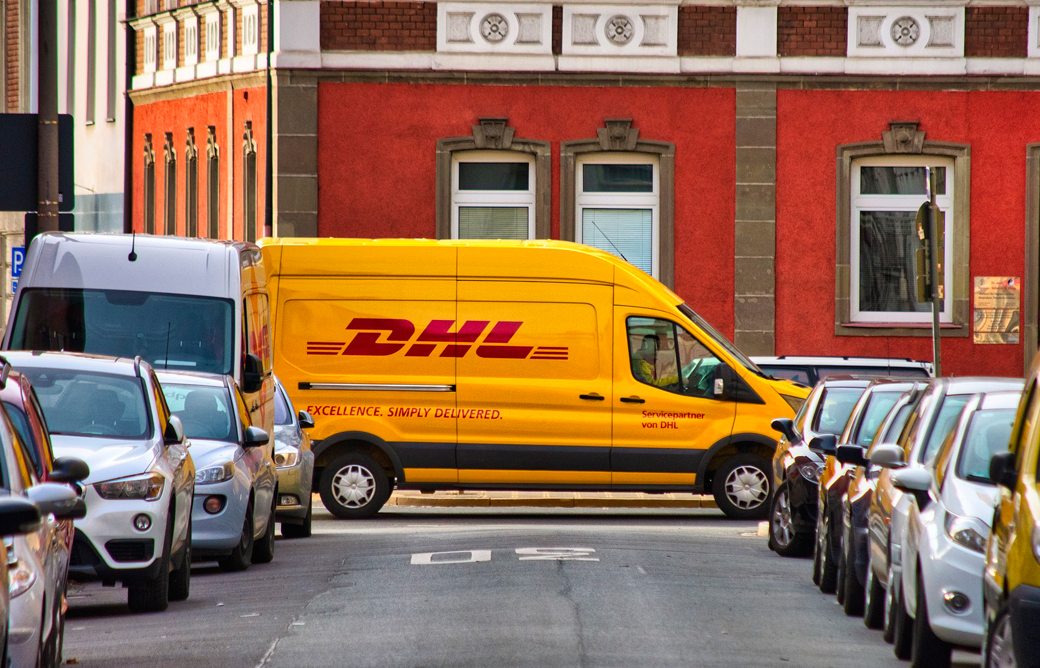
In todays digital landscape, marketplace-driven logistics is revolutionizing the way we think about shipping and delivery, instilling greater trust through transparency and efficiency. As customers enjoy real-time tracking and clear return policies, the confidence in their purchasing decisions grows, making these logistics a key player in building lasting business relationships.
# Why Marketplace-Driven Logistics Builds More Trust
In today's fast-paced, digital world, trust is a cornerstone of business success. Companies equally focus on providing high-quality products and enhancing customer experience, especially when it comes to logistics. In this context, marketplace-driven logistics has emerged as a game changer. It fosters trust through transparency, efficiency, and enhanced communication.
What is Marketplace-Driven Logistics?
 Marketplace-driven logistics refers to the logistics model largely influenced by the dynamics of online marketplaces. Unlike traditional logistics, where companies hold inventory and manage transportation, marketplace-driven logistics allows third-party sellers to fulfill orders through a network of services. Notable examples include Amazon, eBay, and Etsy, where logistics can be managed by independent sellers or third-party logistics providers.
Key Characteristics of Marketplace-Driven Logistics
1. Decentralization: Instead of a single entity managing all aspects of logistics, various stakeholders participate, leading to diverse solutions.
2. Flexibility: Solutions can quickly adapt to changing demand or supply chain issues, often offering real-time adjustments.
3. Transparency: Enhanced tracking and visibility help reassure customers about their orders.
Building Trust through Transparency
Transparency is a significant element in building trust, especially in logistics.
Real-Time Tracking
Marketplace platforms often provide customers with real-time tracking information. This feature not only informs them when to expect their packages but also enhances the perception of accountability among sellers.
Example: Amazon's "Track Package" feature allows customers to see where their order is in the delivery process, which lessens anxiety and builds confidence in the purchasing process.
Clear Return Policies
Marketplace-driven logistics frequently come with straightforward return and refund policies. Knowing that they are protected allows customers to take the leap in purchasing items they may be unsure of.
Example: eBay’s buyer protection policy reassures customers that if items don’t arrive or aren’t as described, they can easily return them and get their money back.
Enhancing Efficiency Like Never Before
Efficiency is another key pillar of marketplace-driven logistics that fosters trust among customers.
Shorter Delivery Times
Marketplace-driven models leverage a network of shipping partners, allowing for accelerated delivery processes. This can significantly enhance the customer experience.
Example: Companies like Shopify utilize local fulfillment centers and drop-shipping options, ensuring that products reach the consumer faster than traditional methods.
Cost Efficiency
Marketplace logistics often result in reduced shipping costs due to competition among different logistics providers. This competitive environment often leads to better pricing strategies for customers.
Example: Many marketplaces offer promotional free shipping options for qualifying items, creating a better experience for customers and promoting repeated purchases.
Empowering Communication
Effective communication is paramount in establishing trust between consumers and sellers.
Direct Seller Communication
Marketplace-driven logistics often allow direct communication between the buyer and seller. This facilitates timely responses to customer queries, leading to a better understanding of the product and logistics process.
Example: Etsy allows customers to message sellers directly for inquiries, fostering a personal relationship and ensuring customer confidence.
Notifications and Updates
Marketplace platforms regularly send notifications about order confirmations, shipping updates, and delivery alerts, which keep customers informed throughout their purchasing journey.
Example: After a purchase on platforms like Walmart Marketplace, customers receive updates through email or app notifications, keeping them in the loop.
Mitigating Risks with Marketplace-Driven Logistics
Trust inherently involves risk, and effective risk management can bolster customer confidence.
Quality Assurance
Marketplace platforms often vet sellers to ensure they meet quality standards. This adds a layer of assurance for customers that they are purchasing from legitimate vendors.
Example: Amazon's seller score system evaluates the performance of sellers. A high rating means better trust for consumers.
Fraud Protection
Modern marketplace-driven logistics involve built-in security measures to protect against scams. Features like buyer protection policies help alleviate fears of online shopping.
Example: PayPal’s purchase protection gives buyers confidence to shop without worrying about potential financial loss.
Real-world Applications of Marketplace-Driven Logistics
To further illustrate the concept, let’s explore how leading companies leverage marketplace-driven logistics to build consumer trust.
Amazon
Amazon, a pioneer of marketplace-driven logistics, has vast logistic capabilities that allow third-party sellers to deliver products efficiently. Their Prime service boasts two-day shipping, enhancing consumer confidence in quick delivery. Regular updates on tracking and shipping policies lead to a reassuring purchasing experience.
Alibaba and AliExpress
Alibaba allows small businesses to sell products at competitive rates while maintaining transparency through buyer protection programs. Customers have greater confidence knowing that their purchases are secure and backed by a reliable platform.
Walmart Marketplace
Walmart Marketplace integrates with local and national shipping providers, leading to optimal delivery solutions that enhance customer satisfaction. Their easy return policy is transparent and encourages repeat business, building consumer trust.
Challenges of Implementing Marketplace-Driven Logistics
While marketplace-driven logistics offers numerous benefits, challenges do exist.
1. Vendor Reliability: The quality of logistics can vary based on the seller’s commitment. Poor fulfillment can damage the overarching trust in the marketplace.
2. Customer Service Issues: If a customer has a problem with a seller, they may become frustrated if they can’t reach someone quickly.
3. Technological Integration: Marketplaces must continually invest in technology for tracking and management systems to sustain consumer trust.
Conclusion
In an era where trust is paramount, marketplace-driven logistics stands as a beacon of efficiency, transparency, and communication. By leveraging these qualities, online marketplaces have gained a significant competitive edge in building enduring customer relationships. While challenges remain, the benefits of fostering trust through an agile and customer-centric logistics model are evident. As more businesses move toward marketplace-driven logistics, we can expect further innovations that will enhance consumer trust and redefine the landscape of e-commerce logistics.