As we explore the shifting landscape of international transport accessibility, its clear that advancements in technology and infrastructure are making global travel and trade easier than ever before, opening doors to new opportunities for everyone.
# How International Transport Is Becoming More Accessible
In today's global economy, the ability to travel and transport goods across borders is essential. International transport has evolved significantly over the years, driven by advancements in technology, infrastructure, and policy. This blog post explores how international transport is becoming more accessible, highlighting key developments, innovations, and examples that demonstrate this trend.
The Evolution of International Transport
 International transport refers to the movement of goods and people across national borders. Historically, transportation was limited by geographic barriers, economic constraints, and political obstacles. However, the past few decades have seen transformative changes that have reshaped this landscape.
1. Advancements in Technology
Technological advancements have played a crucial role in making international transport more accessible. Some key developments include:
- Digital Platforms: Online booking systems and mobile applications have simplified travel arrangements. For instance, platforms like Skyscanner or Kayak allow users to compare flight prices and access different routes easily.
- Real-Time Tracking: Technologies like GPS and RFID have made it possible to track shipments in real-time, providing transparency and improving trust between shipping companies and customers.
- Automation and AI: Automated logistics systems and artificial intelligence are optimizing supply chain management, reducing costs, and increasing the efficiency of international transport.
2. Infrastructure Development
As demand for international transport grows, many countries have invested heavily in developing their infrastructure:
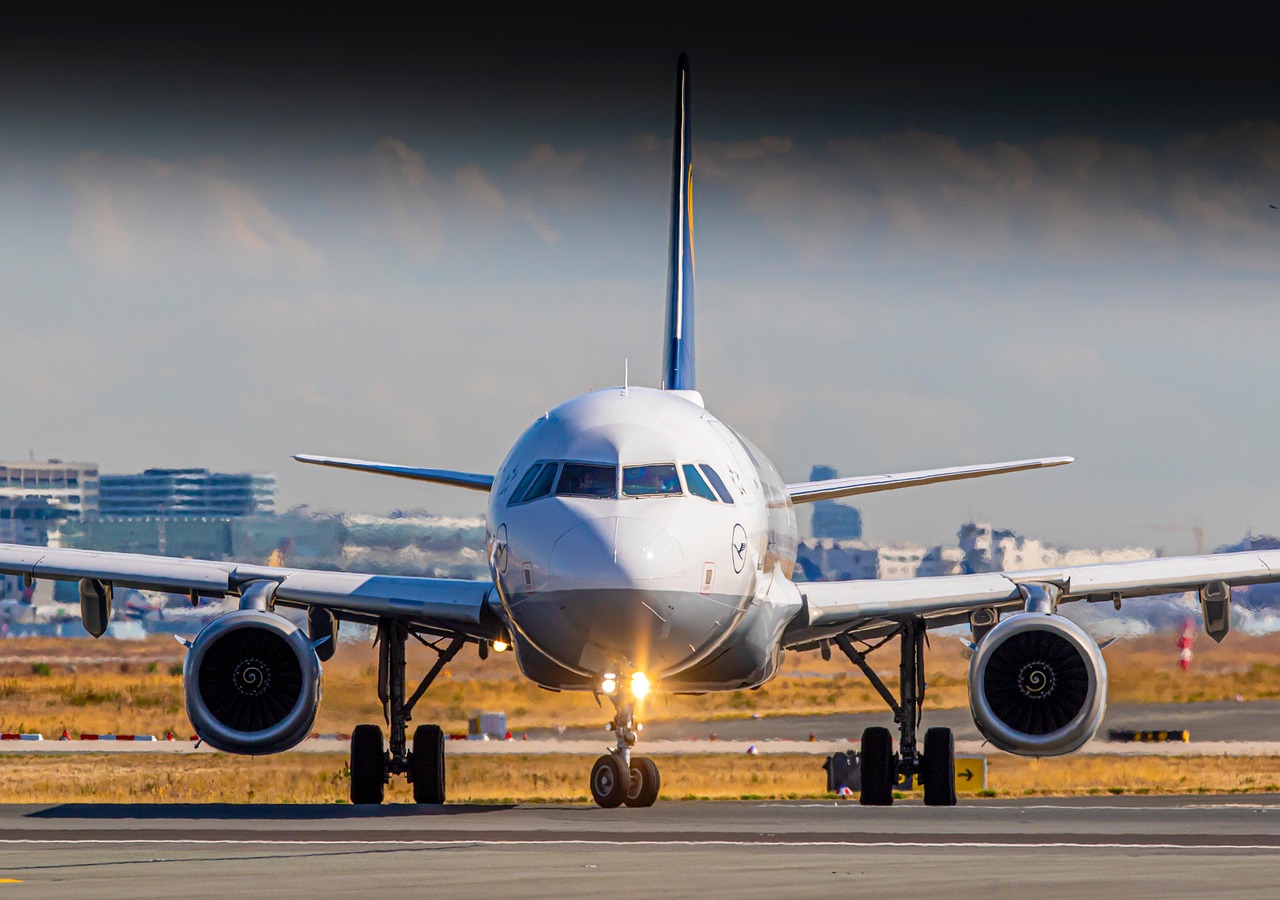
- Airports: New airports and upgrades to existing facilities are enhancing connectivity. For example, the expansion of Singapore’s Changi Airport has made it one of the busiest transit hubs in the world, facilitating easier access for international travelers.
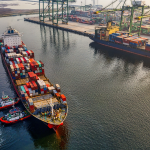
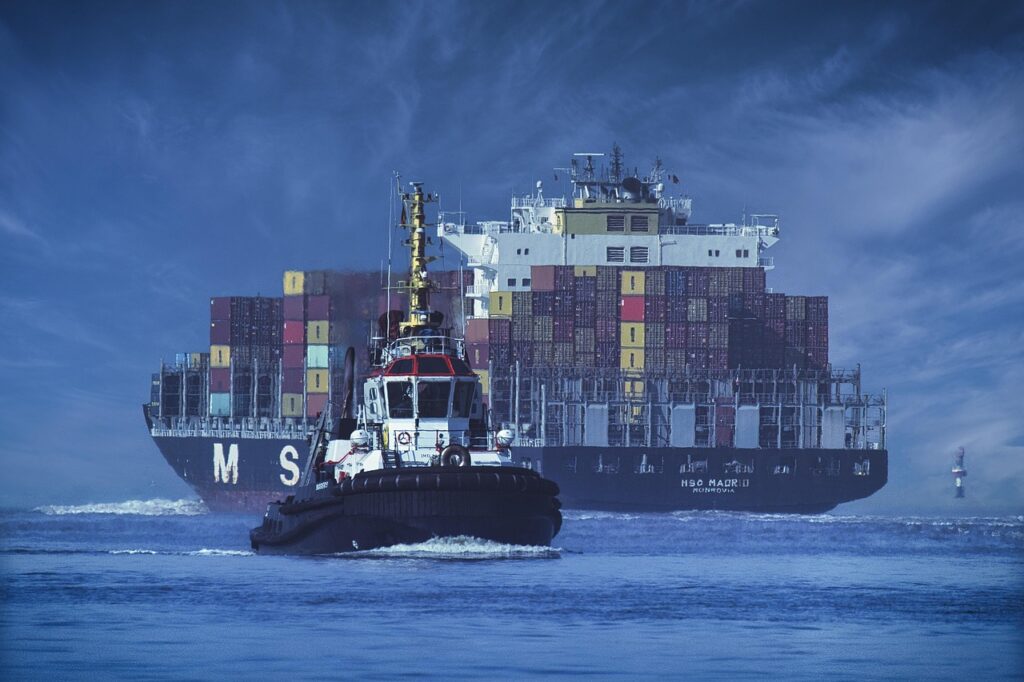
- Ports: Major ports are being modernized to accommodate larger vessels and improve cargo handling efficiency. The Port of Rotterdam, for example, has implemented smart technologies to streamline operations, reducing waiting times for ships.
- Road and Rail Networks: Improved road and rail networks support cross-border transport of goods. The European Union's investment in the Trans-European Transport Network (TEN-T) aims to strengthen connections between member states, resulting in more efficient freight transport.
3. Policy and Regulation Changes
Governments and international organizations are working to create a more conducive environment for international transport:
- Bilateral and Multilateral Agreements: Trade agreements, like the USMCA (United States-Mexico-Canada Agreement), aim to simplify customs processes and reduce tariffs, facilitating smoother cross-border logistics.
- Open Skies Agreements: These agreements encourage competition by allowing airlines to operate on international routes without government restrictions. The Open Skies policy among EU member states has greatly increased flight options for international travelers.
- Sustainable Practices: Regulators are encouraging sustainability in transport. Initiatives to reduce carbon emissions and promote green logistics are gaining momentum. The International Maritime Organization (IMO) has set ambitious targets for reducing marine pollution, pushing the shipping industry towards more sustainable practices.
Examples of Accessible International Transport
1. Low-Cost Airlines
The emergence of low-cost carriers (LCCs) has revolutionized international air travel. Airlines such as Ryanair and EasyJet have made international flights affordable and accessible to a broader audience.
- Example: Ryanair’s expansion into Eastern Europe opened up numerous destinations that were previously inaccessible or too expensive for many travelers.
2. E-Commerce and Global Shipping
The rise of e-commerce has significantly changed the dynamics of international shipping. Companies like Amazon and Alibaba have developed efficient logistics networks that allow consumers to order products from around the world with ease.
- Example: Amazon Prime offers international shipping options that make it simple for customers to receive goods from other countries, opening up new markets for both consumers and businesses.
3. Multimodal Transport Solutions
Innovative multimodal transport solutions are emerging, combining various modes of transport (e.g., air, road, and rail) to optimize delivery times and reduce costs.
- Example: The development of the China-Europe Railway Express service connects multiple countries through rail transport, making it an attractive option for businesses looking to expand their reach.
Accessibility Challenges and Considerations
Despite significant progress in making international transport more accessible, several challenges remain:
1. Regulatory Barriers
Divergent regulations between countries can slow down processes and create confusion for both businesses and travelers.
- Example: Varied customs regulations and import restrictions can complicate logistics for e-commerce businesses aiming to sell their products internationally.
2. Infrastructure Disparities
Not all countries can invest equally in infrastructure development, leading to disparities in accessibility.
- Example: While developed nations boast modern airports and shipping ports, developing countries may struggle with basic infrastructure, limiting their ability to participate in global trade effectively.
3. Environmental Concerns
The surge in international transport has raised concerns about its environmental impact.
- Example: The carbon footprint associated with air travel and shipping has garnered attention, with calls for more sustainable practices and regulations.
Conclusion
International transport is becoming increasingly accessible due to advancements in technology, infrastructure improvements, and favorable policy changes. Low-cost airlines, the rise of e-commerce, and innovative transport solutions are breaking down barriers and making travel and logistics more efficient.
However, challenges remain, including regulatory hurdles, infrastructure disparities, and environmental concerns. Addressing these issues is crucial for ensuring that international transport continues to evolve in a way that is equitable, sustainable, and accessible for everyone.
As we move forward, it will be essential for stakeholders, including governments, businesses, and consumers, to collaborate on solutions that promote inclusive international transport systems. This collaboration will enable a more interconnected and accessible world for all.