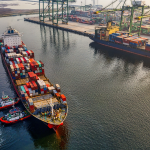

As the world of international shipping services evolves, it’s driven by technology, changing consumer expectations, and a growing emphasis on sustainability. Dive into how these factors are reshaping logistics and what the future holds for global trade.
# The Changing Landscape of International Shipping Services
The world of international shipping is continuously evolving due to various factors including technological innovation, global economic trends, and environmental concerns. As markets expand and consumer behaviors change, the logistics industry is adapting to meet new demands. This blog post explores the dynamics of international shipping services, including trends, challenges, and future directions.
The Impact of Technology on Shipping

Automation and Digitalization
One of the most significant changes in international shipping is the automation of operations. With the rise of digital platforms, shipping and freight logistics have become more efficient. For instance:
- Online Booking: Customers can now book their shipments online, eliminating the need for time-consuming paperwork.
- Real-time Tracking: Advanced GPS and IoT technologies allow shippers to track their cargo in real time, enhancing transparency and accountability.
Artificial Intelligence and Machine Learning
Artificial intelligence (AI) and machine learning (ML) are increasingly used in logistics for predictive analytics. Companies are analyzing vast amounts of data to predict demand, optimize routes, and manage inventory effectively.
A notable example is the use of AI algorithms to forecast shipping delays due to weather patterns, enabling shippers to reroute vessels and avoid potential disruptions.
Evolving Consumer Expectations
Rise of E-commerce
The boom in e-commerce has profoundly influenced the international shipping landscape. Companies like Amazon have set high standards for delivery speed and reliability. As a result, traditional logistics providers are compelled to adapt:
- Expedited Shipping: Increased demand for quick delivery has fueled the growth of same-day and next-day shipping services.
- Flexible Delivery Options: Consumers expect choices such as home delivery, pickups at lockers, and in-store pickups.
Sustainability and Ethical Shipping
Today's consumers are also more conscious of environmental sustainability. Shipping companies are responding by:
- Green Technologies: Investing in alternative fuels (like LNG, hydrogen, and biofuels) and more efficient vessels that reduce greenhouse gas emissions.
- Transparency: Providing information about the carbon footprint associated with shipping, allowing businesses to make informed choices about their logistics partners.
Global Economic Trends Impacting Shipping
Trade Agreements and Regulations
Changes in international trade agreements significantly affect shipping services. Tariffs, quotas, and regulations can impact the flow of goods between countries. For instance:
- US-China Trade Relations: Increased tariffs have led many companies to reconsider their supply chains. Businesses are diversifying their sourcing to countries like Vietnam or Mexico to minimize cost impacts.
- Brexit: The exit of the UK from the EU has resulted in changes to how goods are transported, with new customs procedures and tariffs altering shipping routes and costs.
Globalization vs. Regionalization
Although globalization has driven the growth of international shipping, there is an emerging trend towards regionalization. As companies seek to reduce risks associated with long-distance supply chains, there is a growing preference for sourcing and shipping goods within closer geographic areas.
Challenges Facing the Shipping Industry
Port Congestion and Capacity Issues
Port congestion has become a significant issue for international shipping, especially since the COVID-19 pandemic. Many major ports have experienced delays due to increased shipping volumes and labor shortages. This congestion not only affects shipping schedules but also increases costs due to additional handling fees.
Security Risks and Cyber Threats
With the rise of digitalization in shipping systems, security risks have also increased. Cyberattacks targeting shipping companies can lead to significant financial losses and breaches of sensitive data. Protecting against these threats is crucial, necessitating investments in cybersecurity measures.
Environmental Regulations
The shipping industry faces mounting pressure to reduce its environmental impact. Stricter regulations regarding emissions, such as the International Maritime Organization's (IMO) 2020 sulfur cap, are compelling shipping lines to invest in cleaner technologies. Companies must balance compliance costs with maintaining competitive pricing.
Innovations Shaping the Future of Shipping
Sustainable Shipping Practices
As mentioned earlier, sustainability is becoming a primary focus of the shipping industry. Innovations include:
- Renewable Energy: Using wind and solar power to supplement traditional fuels.
- Electrification: Development of electric-powered vessels for short-haul trips.
Blockchain Technology
Blockchain offers an innovative solution to some of the inefficiencies in international shipping. By providing secure, transparent, and traceable transaction records, blockchain can help streamline processes such as customs clearance and documentation, reducing the chances of fraud and errors.
Drones and Autonomous Vessels
The introduction of drones and autonomous vessels holds promise for the future of shipping. Drones can be employed for last-mile delivery in remote areas, while autonomous ships could potentially lower labor costs and improve efficiency.
Conclusion
The landscape of international shipping services is undeniably changing, driven by technological advancements, shifting consumer expectations, and evolving economic factors. While the challenges may seem daunting, they also present numerous opportunities for innovation and growth in the industry. By embracing these changes, shipping companies can position themselves for success in a rapidly evolving global marketplace.