

Shipping goods safely across continents can seem daunting, but with the right knowledge and preparation, mastering international shipping safety is within your reach. Whether youre a business expanding globally or just sending personal items, understanding the key factors involved will ensure your shipments arrive securely and efficiently.
Shipping goods across continents is a complex task that requires proper planning, resources, and expertise. Whether you’re a business owner looking to expand your market reach or an individual shipping personal items, understanding the intricacies involved in international shipping is vital. In this article, we will look at key factors to consider, processes involved, and best practices to ensure that your goods are shipped safely and efficiently.
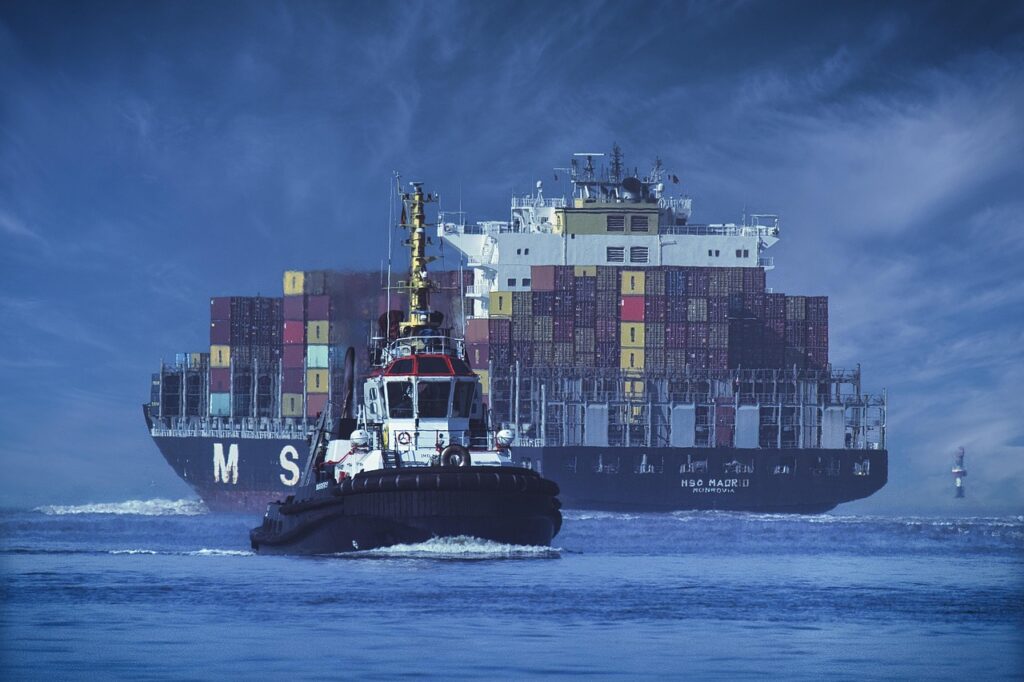
Before diving into the shipping process, it’s important to understand what freight shipping entails. Freight shipping refers to the transportation of goods in bulk. This can include anything from raw materials to finished products, and it typically involves:
Air Freight: Fast but often more expensive, ideal for high-value or time-sensitive items.
Ocean Freight: Cost-effective for large quantities, but slower, suitable for non-urgent shipments.
Land Freight: Used for transiting goods within continents, such as truck or rail services.
Selecting the right freight mode is crucial. Here are some considerations for each type:
Air Freight
Ocean Freight
Land Freight
Proper packing is essential for ensuring the safety of goods during transportation. Here’s how to pack items effectively:
Shipping goods internationally requires understanding and preparing the correct documentation and customs regulations. Here are important documents you will typically need:
Customs duties and taxes vary by country and are based on the value of the goods, their type, and their origin. It’s important to research and understand these requirements to avoid unexpected fees. Many countries have online resources for customs information.
Selecting the right logistics provider is critical for ensuring the safety and timely delivery of goods. Here are a few tips to help you choose a reliable shipping partner:
Effective communication between you, your shipping partner, and the receiving party is crucial for a smooth shipping process. Make sure to set up a system that allows for:
Shipping delays can occur due to various reasons such as customs inspections, bad weather, or logistical hiccups. Here’s how to handle potential delays effectively:
To wrap up, here are key best practices to ensure safe international shipping:
Shipping goods safely across continents may seem daunting, but with proper planning, knowledge, and the right partner, it can be a seamless process. From selecting the appropriate freight mode and attending to packing details, to navigating customs regulations and ensuring communication, each step is crucial to achieving your shipping objectives. By following the best practices outlined above, you can mitigate risks and ensure your products arrive safely at their destination, delighting your customers or recipients along the way.