
In todays interconnected world, international shipping marketplaces are transforming the way businesses reach customers worldwide, making it easier than ever to expand your brand beyond borders. Discover how these platforms simplify logistics and open new market opportunities with just a few clicks!
# A Closer Look at International Shipping Marketplaces
In the age of globalization, international shipping marketplaces have become an essential part of businesses looking to expand their reach beyond borders. These platforms facilitate trade by connecting sellers with buyers around the world, simplifying logistics, and offering tools to manage shipping in a streamlined manner. This article delves into the dynamics of international shipping marketplaces, their benefits, challenges, and some notable examples in the industry.
What Are International Shipping Marketplaces?
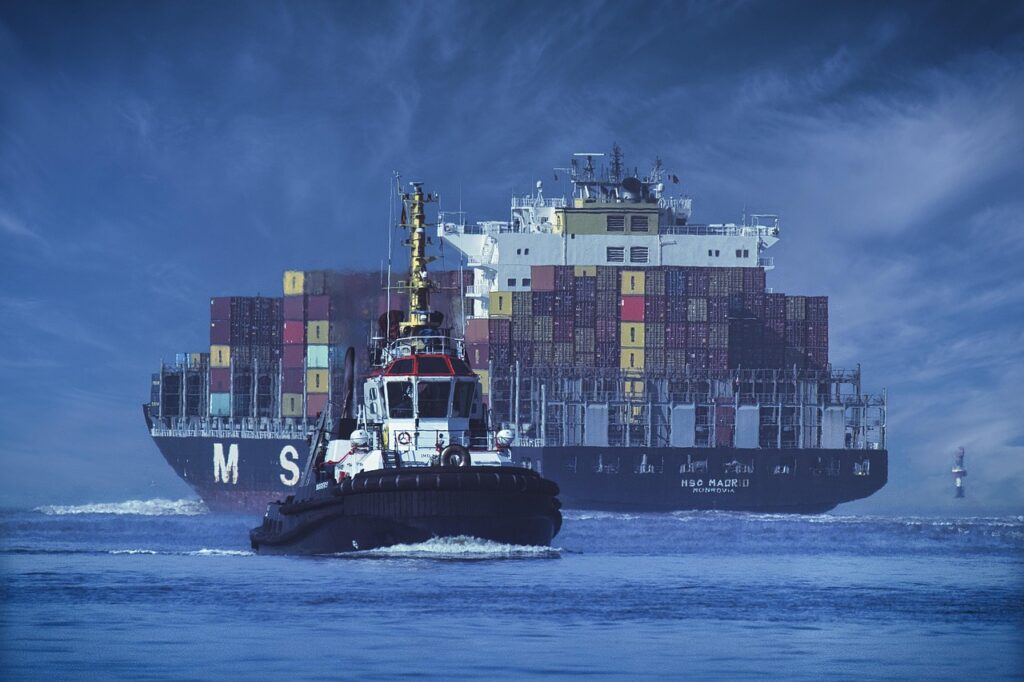 International shipping marketplaces are online platforms that facilitate cross-border transactions. They enable businesses, both large and small, to sell products to customers in different countries, often providing tools for managing logistics, payments, and customer communication. These marketplaces can serve various industries, including e-commerce, B2B sales, and even service-based businesses.
Key Features of International Shipping Marketplaces
1. Global Reach: Sellers can access a wider customer base by displaying their products to international audiences.
2. Logistics Support: Many marketplaces offer integrated logistics solutions that allow buyers and sellers to track shipments, manage inventory, and calculate shipping costs.
3. Payment Processing: Secure payment gateways facilitate transactions between parties across different currencies.
4. Localized Experience: Features like multi-language support and local compliance assistance help sellers cater to diverse markets.
Benefits of Using International Shipping Marketplaces
1. Expanded Market Opportunities
International shipping marketplaces open the door to new markets that sellers might not have considered otherwise. For example, a small artisan in the USA can seamlessly reach customers in Europe or Asia without needing to establish a physical presence.
2. Cost-Effective Shipping Solutions
Many marketplaces have established partnerships with logistics companies, allowing sellers to access discounted shipping rates. This makes it easier for businesses to offer competitive pricing while still ensuring product delivery.
3. Simplified Compliance and Regulations
Navigating legal requirements can be daunting for businesses looking to ship internationally. Marketplaces often provide resources or assistance to help sellers comply with import/export regulations, tariffs, and customs documentation.
4. Enhanced Customer Trust
Many international shipping marketplaces have established reputations that foster customer trust. Buyers may feel more comfortable purchasing from a platform with a history of safe and secure transactions, which can lead to increased sales for sellers.
Challenges Faced by Sellers in International Shipping Marketplaces
While there are numerous advantages to utilizing international shipping marketplaces, sellers must also face several challenges:
1. Language Barriers
Communication can become complicated when dealing with customers in different countries. Language differences may lead to misunderstandings or misinterpretations regarding product details, shipping terms, or customer service.
2. Cultural Differences
Understanding cultural nuances is crucial for successful marketing and customer engagement. What works in one market may not resonate in another, possibly leading to customer alienation.
3. Customs and Duties
Navigating customs can be one of the most challenging aspects of international shipping. Sellers must familiarize themselves with different countries' customs duties, which can significantly impact pricing for buyers.
4. Returns and Refunds
Processing returns in international transactions can be logistically complex and costly. Sellers need to have clear policies in place to address potential returns to maintain customer satisfaction.
Notable International Shipping Marketplaces
Numerous international shipping marketplaces have made significant strides in shaping the e-commerce landscape. Here are a few noteworthy examples:
1. Amazon Global
As one of the largest e-commerce platforms globally, Amazon offers an international marketplace where sellers can list their products and sell to millions of customers worldwide. Their Fulfillment by Amazon (FBA) program provides logistics support, making shipping faster and more efficient.
2. eBay
eBay has a well-established international presence, allowing sellers to reach customers across various countries. With options like Global Shipping Program, sellers can simplify the complexities of international shipping and customs.
3. Alibaba
Alibaba is a leading platform for B2B international trade. It connects manufacturers and wholesalers with buyers worldwide, offering tools to facilitate transactions, shipping, and logistics management.
4. Etsy
Etsy is a marketplace that focuses on handmade and vintage goods. It provides tools for sellers to ship internationally and connects creative entrepreneurs with a global audience.
Tips for Sellers on International Shipping Marketplaces
If you're looking to enhance your success on international shipping marketplaces, consider the following strategies:
1. Optimize Your Listings
- Use high-quality images and thorough descriptions.
- Include keywords relevant to the international market you're targeting.
- Provide clear information about shipping times and costs.
2. Leverage Local Insights
- Research the habits and preferences of your target market.
- Consider pricing strategies aligned with local purchasing power.
- Utilize local influencers or social media to reach a wider audience.
3. Offer Multiple Shipping Options
- Provide various shipping options to cater to different customer needs, including express shipping for urgent orders.
- Be transparent about shipping costs and delivery times.
4. Develop a Solid Customer Service Strategy
- Ensure prompt responses to customer inquiries.
- Consider language support where necessary or use translation tools to communicate effectively.
- Have clear policies regarding returns and refunds.
Conclusion
International shipping marketplaces have transformed the way businesses engage in cross-border trade, offering numerous opportunities to reach new audiences. While there are challenges that sellers may face, the benefits often outweigh the hurdles when approached with the right strategies. By leveraging the tools and resources available within these platforms, businesses can navigate the complexities of international shipping and achieve success in a global marketplace.