
As African businesses navigate the exciting journey of expansion, understanding how to access global transport options is key to reaching new markets and achieving success. By leveraging various transportation methods tailored to their unique needs, these businesses can unlock a world of opportunities on the international stage.
# How African Businesses Can Access Global Transport Options
As the global economy continues to evolve, the importance of efficient transport systems for businesses cannot be overstated. African businesses, especially those looking to expand internationally, face unique challenges and opportunities in accessing global transport options. This article explores various strategies, services, and partnerships that can facilitate access to global transport for African businesses.
Understanding Global Transport Options
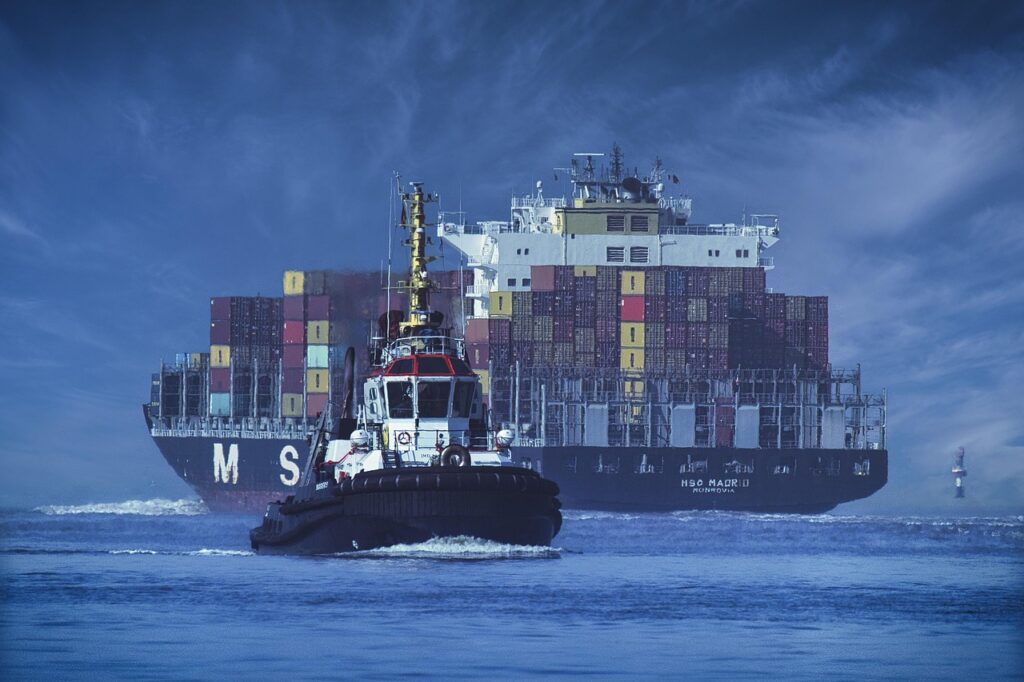 Before delving into how African businesses can access global transport options, it's crucial to understand the various modes of transportation available:
- Air Freight: Ideal for shipping high-value, low-volume goods quickly.
- Ocean Freight: Cost-effective for bulky goods; however, it usually takes longer.
- Road Transport: Used for domestic and regional shipment, providing flexibility.
- Rail Freight: Effective for transporting large quantities over land.
Each mode of transport has its advantages and disadvantages, and the choice largely depends on the nature of the goods, cost considerations, and delivery timelines.
Before delving into how African businesses can access global transport options, it's crucial to understand the various modes of transportation available:
- Air Freight: Ideal for shipping high-value, low-volume goods quickly.
- Ocean Freight: Cost-effective for bulky goods; however, it usually takes longer.
- Road Transport: Used for domestic and regional shipment, providing flexibility.
- Rail Freight: Effective for transporting large quantities over land.
Each mode of transport has its advantages and disadvantages, and the choice largely depends on the nature of the goods, cost considerations, and delivery timelines.
Assessing Transport Needs
Identifying Goods to Ship
The first step in accessing global transport options is evaluating the types of goods to be shipped. Consider the following:
- Nature of Goods: Are they perishable, hazardous, or high-value items?
- Volume and Weight: What are the dimensions and weight of the packages?
- Destination: Where are the goods being shipped?
By understanding the specific needs of their products, African businesses can make informed decisions about which transport mode to utilize.
Analyzing Costs
Transport costs can vary significantly based on the mode of transport, distance, and specific freight requirements. It's essential to evaluate:
1. Freight Charges: Compare rates from different logistics providers.
2. Insurance Costs: Factor in insurance for valuable goods.
3. Customs Duties: Understand any tariffs that may apply.
Researching cost-effective solutions is vital for maintaining competitiveness in the global market.
Building Strong Partnerships
Collaborating with Freight Forwarders
Freight forwarders play a crucial role in facilitating global transport. Their expertise can streamline the shipping process, providing invaluable services such as:
- Route Optimization: Choosing the most efficient routes for transportation.
- Customs Clearance: Navigating regulatory requirements to ensure smooth entry into foreign markets.
- Consolidation Services: Combining multiple shipments to reduce costs.
Partnering with a reputable freight forwarder can significantly enhance a business's ability to access global transport options.
Working with Local Logistics Providers
Collaborating with local logistics companies can also provide a competitive edge. These companies often have established networks and insights into regional transport options. Benefits include:
- Local Knowledge: Understanding the African supply chain landscape.
- Last-Mile Delivery: Facilitating the final leg of transport to ensure timely delivery.
Building relationships with local partners enhances logistical capabilities and allows businesses to tap into existing networks.
Utilizing Technology
Technology is transforming the logistics and transportation sector. By leveraging digital tools, African businesses can enhance their access to global transport options.
Online Freight Marketplaces
Platforms such as Freightos and Flexport offer online marketplaces for businesses to compare rates and services from multiple freight forwarders. Key features include:
- Instant Quotes: Receive quotes from various providers in real-time.
- Booking Services: Easily book shipments online without lengthy paperwork.
- Tracking Capabilities: Monitor shipments throughout the transportation process.
Using technology helps streamline logistics operations and reduces administrative burdens.
Transportation Management Systems (TMS)
Implementing a TMS can optimize transport processes through features like:
- Route Planning: Identifying the most efficient routes for deliveries.
- Cost Tracking: Keeping track of transport expenses.
- Performance Analytics: Analyzing shipping performance to identify areas for improvement.
Investing in a TMS can lead to significant operational efficiencies and cost savings.
Navigating Regulatory Challenges
Understanding International Regulations
African businesses aiming to access global transport services must familiarize themselves with international shipping regulations. This includes:
- Customs Regulations: Different countries have varying customs requirements.
- Trade Agreements: Utilize agreements between countries that may reduce tariffs.
- Transport Safety Standards: Ensure compliance with international shipping standards to avoid delays.
Consulting legal experts or customs brokers can help navigate these complexities.
Mitigating Risks
Transporting goods internationally involves inherent risks, including damage, theft, and delays. Essential strategies for risk mitigation include:
- Insurance: Protect shipments with appropriate insurance coverage.
- Packaging Standards: Use robust packaging to safeguard goods during transit.
- Contingency Planning: Develop backup plans in case of transportation disruptions.
Proactively managing risks enhances reliability in global transport operations.
Leveraging Trade Opportunities
Participating in Trade Shows
Trade shows present excellent opportunities for African businesses to connect with global transport service providers. Benefits include:
- Networking Opportunities: Meet potential logistics partners and customers.
- Market Insights: Understand trends and demands in international markets.
- Showcasing Products: Present your products to a global audience, leading to new partnerships.
Attending relevant trade shows can be a powerful strategy for expanding transportation networks.
Engaging with Export Promotion Agencies
Many African countries have export promotion agencies that can assist businesses in accessing global transport options. These agencies typically provide:
- Financial Assistance: Grants and subsidies to offset shipping costs.
- Market Research: Insights into target markets and transport requirements.
- Training Programs: Workshops on logistics and supply chain management.
Engaging with these agencies can provide critical support for enhancing transport capabilities.
Case Studies: Successful African Businesses
Example 1: Jumia
Jumia, an e-commerce platform, has successfully scaled its operations across multiple African countries. By partnering with local logistics providers, Jumia has established a robust supply chain, allowing it to reach international markets while ensuring timely deliveries.
Example 2: Safaricom
Safaricom, Kenya's leading telecommunications provider, expanded its M-Pesa service internationally, integrating global transport logistics to facilitate money transfers. The company leveraged partnerships with global payment providers to streamline the process, showcasing how technology can enhance transport access.
Conclusion
Accessing global transport options is crucial for African businesses aiming to thrive in international markets. By understanding transport needs, building strong partnerships, utilizing technology, navigating regulatory challenges, and leveraging trade opportunities, businesses can enhance their logistics capabilities. With careful planning and strategic implementation, African enterprises can tap into global transport networks, driving growth and competitiveness in a dynamic economic landscape.