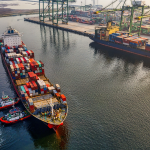

In todays interconnected world, access to global transport networks is vital for businesses looking to expand their horizons and reach new markets. By leveraging various transport modalities, companies can not only streamline their logistics but also enhance their competitive edge on the international stage.
# How Businesses Can Access Global Transport Networks
In an increasingly interconnected world, businesses are no longer limited by geography. One of the fundamental elements allowing this global interaction is the transport network. Access to global transport networks enables companies to expand their reach and tap into new markets. This article will explore how businesses can effectively access and leverage these networks, focusing on key strategies, considerations, and practical examples.
Understanding Global Transport Networks
 Global transport networks include various modalities such as air freight, sea freight, rail transport, and road logistics. These networks are essential for moving goods and services across borders, facilitating international trade.
Types of Transport Modes
1. Air Freight: Provides the fastest means of transport, ideal for high-value and time-sensitive goods. While more expensive, the ability to reach global destinations quickly can offset the cost for many businesses.
2. Sea Freight: Generally more economical for bulk shipments, sea freight is suited for larger volumes and heavier goods. However, it takes longer than air freight, making it necessary for businesses to manage their inventory and delivery schedules carefully.
3. Road Transport: Plays a vital role in the last-mile delivery process. It connects remote areas to major transport hubs and facilitates efficient distribution networks.
4. Rail Transport: Offers a middle ground between speed and economy. Effective for transporting large shipments over land, especially between inland cities.
Strategies for Accessing Global Transport Networks
1. Establish Strategic Partnerships
Partnering with logistics providers and freight forwarders can open up access to existing transport networks without the need for large upfront investments in infrastructure.
- Case Study: A small electronics manufacturer in Germany partnered with a global freight forwarder. The partnership allowed them to utilize the forwarder's extensive transport network, reducing shipping times to their customers in Asia by 30%.
2. Leverage Technology
Investing in technology can streamline operations and enhance visibility across supply chains. Businesses should look for software solutions that provide:
- Shipment tracking
- Inventory management
- Automated customs documentation
Example of Technology Use:
A mid-sized fashion retailer integrated a transport management system (TMS) that provided real-time tracking of shipments from manufacturers in Italy to retail stores in the U.S. This not only improved their response time to logistics challenges but also enhanced customer satisfaction.
3. Optimize Supply Chain Management
A well-optimized supply chain can significantly reduce transport costs and improve delivery efficiency. Consider implementing:
- Just-In-Time (JIT): This inventory strategy can help reduce holding costs and increase efficiency by allowing businesses to receive goods only as needed.
- Consolidation: Grouping multiple small shipments into one larger shipment can reduce costs and improve handling efficiency.
4. Understand Regulatory Requirements
Navigating international regulations is crucial when accessing global transport networks. Businesses should familiarize themselves with:
- Import and export regulations
- Customs documentation
- Tariffs and trade agreements
Example:
A consumer goods company entering the Chinese market took the time to understand local customs regulations and tariff laws. This knowledge allowed them to avoid costly delays and penalties during their initial shipments.
5. Invest in Infrastructure
For companies that aim for significant growth markets, investing in their own logistics infrastructure might be beneficial. This can include:
- Warehousing capabilities near ports or airports
- Fleet acquisition for transportation needs
Example of Infrastructure Investment:
A pharmaceutical company established a distribution center near an international airport in London. This investment not only reduced transit times but also provided a dedicated space for temperature-sensitive products, ensuring regulatory compliance.
Case Studies: Successful Access to Global Transport Networks
Case Study 1: Amazon
Amazon's success is partially attributed to its robust and sophisticated global logistics network. By investing heavily in warehouses and distribution centers worldwide and utilizing advanced logistics software, Amazon ensures fast delivery times and efficient supply chain management.
Case Study 2: Zara
Zara, a leader in fast fashion, has mastered just-in-time inventory management and rapid logistics. Their supply chain model allows them to react quickly to fashion trends by efficiently moving products from factories in Spain to stores around the globe.
Challenges in Accessing Global Transport Networks
1. Economic Factors
- Currency fluctuations can impact transport costs and profit margins.
- Global recessions can lead to decreased demand and affect shipping volumes.
2. Political Risks
- Political instability can lead to transport disruptions.
- Changes in trade agreements may create new tariffs or restrictions.
3. Environmental Regulations
- Stricter environmental laws require businesses to adapt their transportation methods, which can lead to increased costs.
4. Risk Management
Businesses must develop comprehensive risk management strategies to address potential shipping delays, damage, and compliance issues. This may include:
- Insurance for shipments
- Contingency plans for logistics disruptions
Conclusion
Accessing global transport networks is crucial for businesses looking to expand their reach and tap into new markets. By establishing strategic partnerships, leveraging technology, optimizing supply chains, and understanding regulatory requirements, companies can successfully navigate the complexities of global logistics. While various challenges exist, the potential rewards of accessing these networks fundamentally outweigh the risks. With careful planning and execution, businesses can position themselves for sustainable growth in the global marketplace.