
global trade preparation illustration for How to Prepare Your Business for Global Trade Success

How to Prepare Your Business for Global Trade Success

Preparing your business for global trade is a thrilling journey filled with new opportunities, but it requires careful global trade preparation to ensure success. From understanding cultural nuances to crafting a robust market strategy, taking the right steps can set you on the path to thriving in international markets.

How to Prepare Your Business for Global Trade

Expanding your business into global markets is an exciting venture. However, it requires thoughtful preparation and strategic planning to navigate the complexities of international trade successfully. In this article, we will explore essential steps to get your business ready for global trade, ensuring you don’t just enter the market but thrive in it.
Understanding Global Trade

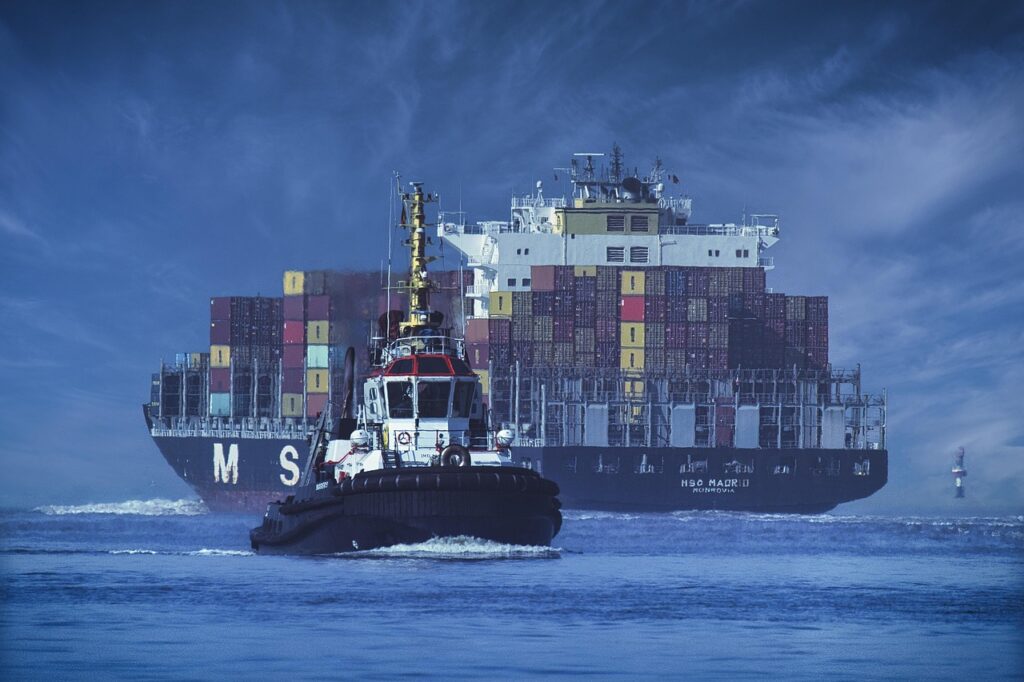
global trade preparation illustration for How to Prepare Your Business for Global Trade Success

Global trade refers to the exchange of goods and services across international borders. It offers businesses access to new customers, resources, and opportunities, but it comes with unique challenges, including varying regulations, cultural differences, and fluctuating market conditions.

Benefits of Global Trade

  • Market Expansion: Access to customers in different countries boosts sales potential.
  • Diversification: Reduces dependence on local markets and spreads business risk.
  • Economies of Scale: Increased production can lead to lower costs per unit.
  • Access to Resources: Tapping into global supply chains can enhance resource availability.

Core Preparations for Global Trade

1. Conduct Market Research

Before going global, it’s crucial to understand the markets you’re considering entering. Conduct in-depth research to identify potential customers, market trends, and competitors.

Key Elements of Market Research

  • Cultural Understanding: Learn about local customs, preferences, and behaviors.
  • Regulatory Environment: Investigate laws related to trade, tariffs, and imports/exports.
  • Demand Analysis: Assess whether there’s a demand for your product or service.

2. Develop a Global Business Strategy

Once you have market insights, create a comprehensive global business strategy guiding your international efforts.

Components of a Global Strategy

  • Goals and Objectives: What do you want to achieve in global markets?
  • Target Markets: Which countries or regions align best with your business?
  • Entry Methods: Will you export, license, franchise, or establish subsidiaries?
  • Marketing Plan: Tailor your marketing efforts to resonate with the local audience.

3. Build a Strong Online Presence

In today’s digital age, having a strong online presence is vital for global trade. Your website should be optimized for international visitors and include relevant language options.

Key Considerations for Online Presence

  • Multilingual Website: Offer content in the local languages of your target markets.
  • SEO Optimization: Optimize for local search engines and keywords.
  • E-commerce Capability: Ensure your platform supports international transactions and currencies.

Different countries have varying legal requirements for businesses involved in global trade. Make sure to familiarize yourself with these regulations to avoid costly mistakes.

  • Trade Regulations: Research tariffs, import quotas, and trade agreements.
  • Intellectual Property: Protect your brand and products against infringement.
  • Compliance and Licenses: Understand the necessary licenses or permits for your products.

5. Create a Logistics Plan

Efficient logistics are crucial for successful global trade. You’ll need a plan that covers transportation, warehousing, distribution, and supply chain management.

Logistics Planning Steps

  • Freight Forwarding: Decide whether to handle shipping in-house or hire a freight forwarder.
  • Customs Procedures: Familiarize yourself with customs clearance requirements.
  • Inventory Management: Develop a system to manage stock levels in various locations.

6. Assess Financial Implications

Understanding the financial aspects of global trade is vital for long-term success. This includes currency risks, transaction costs, and taxation.

Financial Planning Essentials

  • Exchange Rates: Stay updated on currency fluctuations that could impact pricing.
  • Banking Relationships: Establish relationships with international banks or payment processors.
  • Pricing Strategy: Consider local purchasing power and competition when setting prices.

Cultural Considerations in Global Trade

Cultural sensitivity is essential when entering new markets. Understanding local customs, etiquette, and business practices can significantly impact your success.

Tips for Navigating Cultural Differences

  • Local Partnerships: Collaborate with local businesses to gain insights into the market.
  • Adapt Marketing Messages: Tailor your messaging to reflect cultural values and preferences.
  • Training Employees: Educate your teams on cultural norms and differences related to specific markets.

Risk Management in Global Trade

Entering international markets can be risky; therefore, having a risk management plan is critical. This plan should address potential challenges, such as economic instability, political changes, and market entry barriers.

Key Risk Management Strategies

  • Diversification: Avoid dependency on a single market by spreading operations across multiple regions.
  • Insurance: Consider trade credit insurance or political risk insurance to mitigate financial loss.
  • Crisis Response Plan: Develop protocols for potential crises to maintain operational stability.

Conclusion

Preparing your business for global trade is a multifaceted process requiring careful planning and execution. By conducting thorough market research, developing a robust global strategy, and understanding cultural and legal nuances, you can position your business for success in the international arena. Embrace the opportunities that global trade presents, and with the right preparations in place, you can navigate the challenges that come with it, ensuring a bright future for your business on the global stage.