Choosing the right freight forwarder is essential for smooth international shipping, and our guide on freight forwarder selection will empower you to make confident, informed decisions that save time and streamline your logistics. With the right partner by your side, navigating customs and optimizing costs becomes a breeze!
When it comes to shipping goods internationally, selecting the right freight forwarder can make a significant difference in the success of your logistics operations. A reliable forwarder can help streamline your shipping processes, navigate complex regulations, and save your business both time and money. This guide will aid you in making an informed decision when choosing a freight forwarder with confidence.
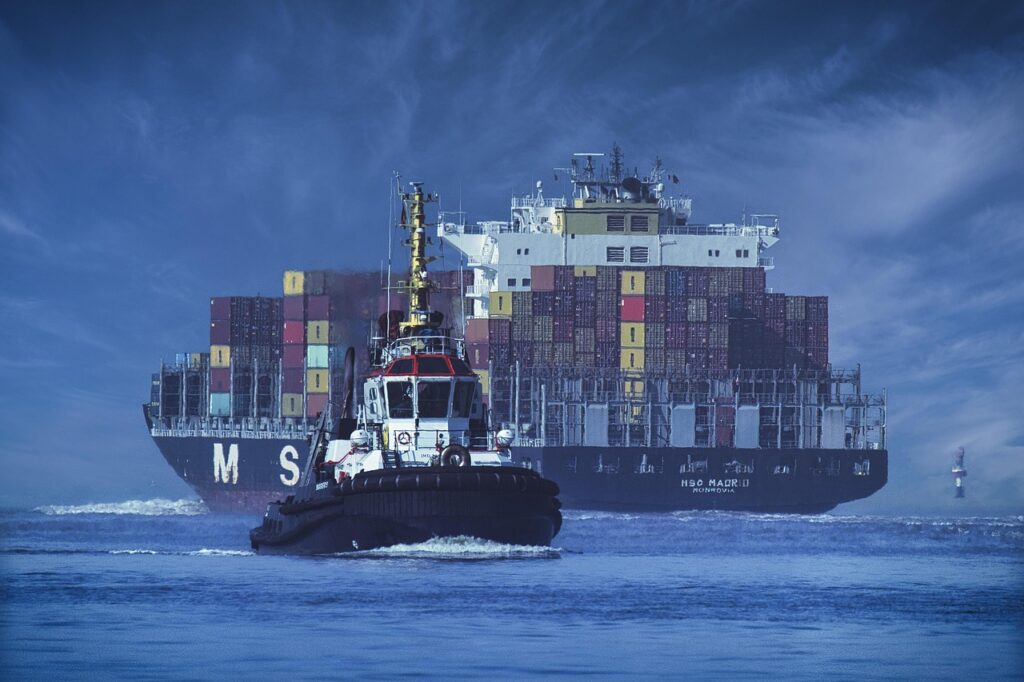
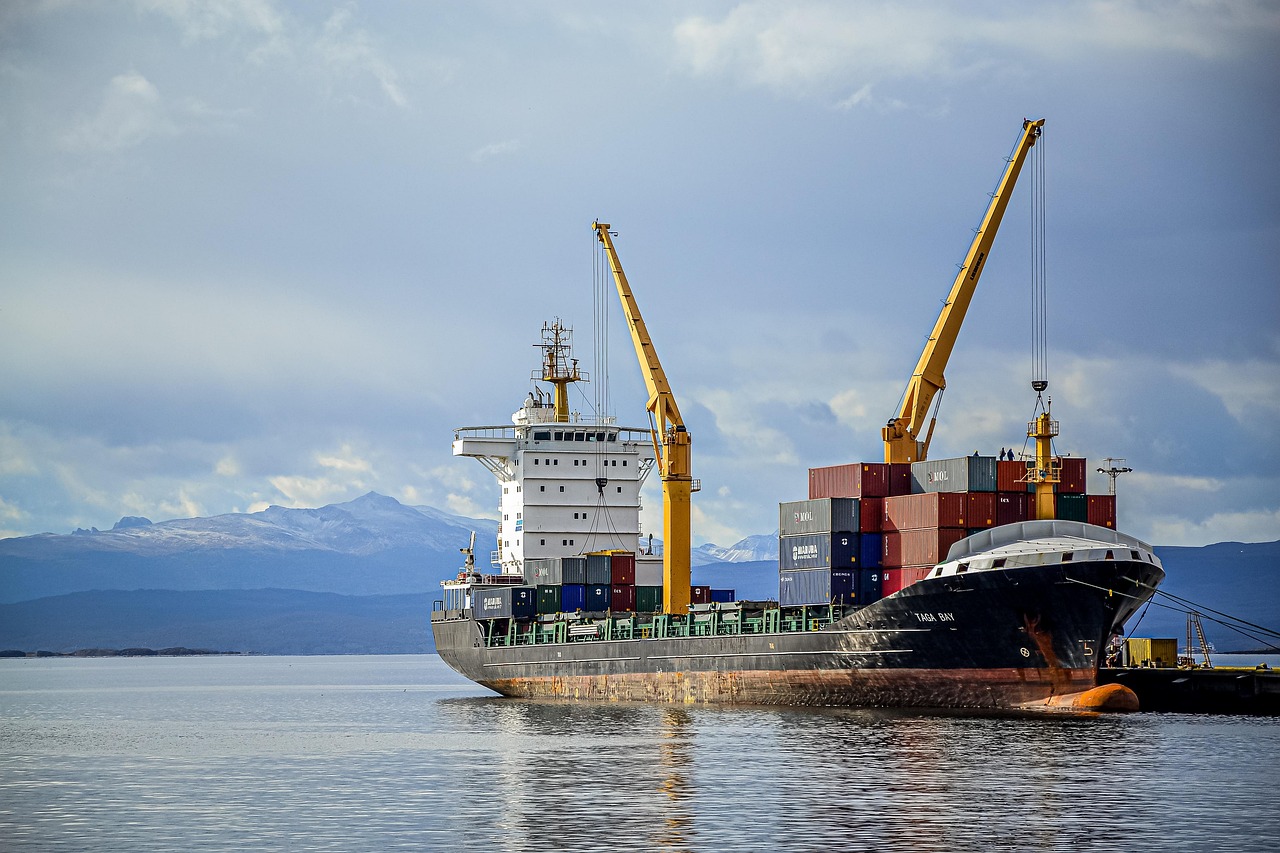
A freight forwarder is a third-party logistics company that arranges the shipment of goods on behalf of an individual or a business. They manage the entire logistics process, which includes the transportation of goods via various modes such as air, ocean, and land. Beyond just shipping, freight forwarders offer services including customs clearance, warehousing, and cargo insurance.
Here are crucial considerations to guide your decision-making process:
Small businesses may not know which freight forwarders have a proven track record. Evaluate potential forwarders based on:
Example: If a freight forwarder has been in the business for over fifteen years and consistently receives positive feedback regarding timeliness and handling of issues, it might indicate reliability.
Not all freight forwarders offer the same range of services. Consider whether the forwarder provides:
Example: If you are in a niche market that requires temperature-controlled storage or specific packing services, check if the forwarder can meet those needs.
A freight forwarder’s global network can dramatically affect efficiency:
Example: A forwarder with a robust network in Asia is crucial if you plan to import products from that region.
In today’s digital world, technology plays a vital role in freight forwarding:
Example: A company that offers an app or an online portal for tracking shipments can help you stay informed and improve transparency.
Understanding the pricing structures is crucial for budgeting:
Example: A forwarder offering volume discounts or seasonal rates may save you money if you ship regularly.
Effective customer service is essential for smooth logistics operations:
Example: A freight forwarder that provides a dedicated account manager can help deal quickly with issues as they arise.
Freight transportation carries inherent risks, so it’s essential to inquire about insurance coverage:
Example: A forwarder with comprehensive insurance options can provide peace of mind while shipping valuable merchandise.
To make the best choice, you should follow these steps:
Begin with thorough research. Use online tools and resources to compile a list of freight forwarders that specialize in your industry and shipping needs.
Reach out to shortlisted forwarders and request quotes. Compare their pricing, services, and any additional fees involved.
Engage with potential forwarders by asking specific questions, such as:
If feasible, visit the freight forwarder’s facilities. This can give you insights into their operational scale and professionalism.
If you feel confident, consider doing a trial shipment to assess their services without fully committing. This will provide firsthand experience of their operations.
Selecting a freight forwarder can significantly impact your logistics performance and overall business success. By considering factors such as experience, service offerings, technology, and customer support, you can choose a forwarder that aligns with your shipping needs. A thorough evaluation process will ensure that you make a confident decision, paving the way for efficient and successful shipping operations. With the right partner, you’ll navigate the complexities of freight forwarding seamlessly, allowing you to focus on the growth of your business.