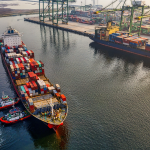
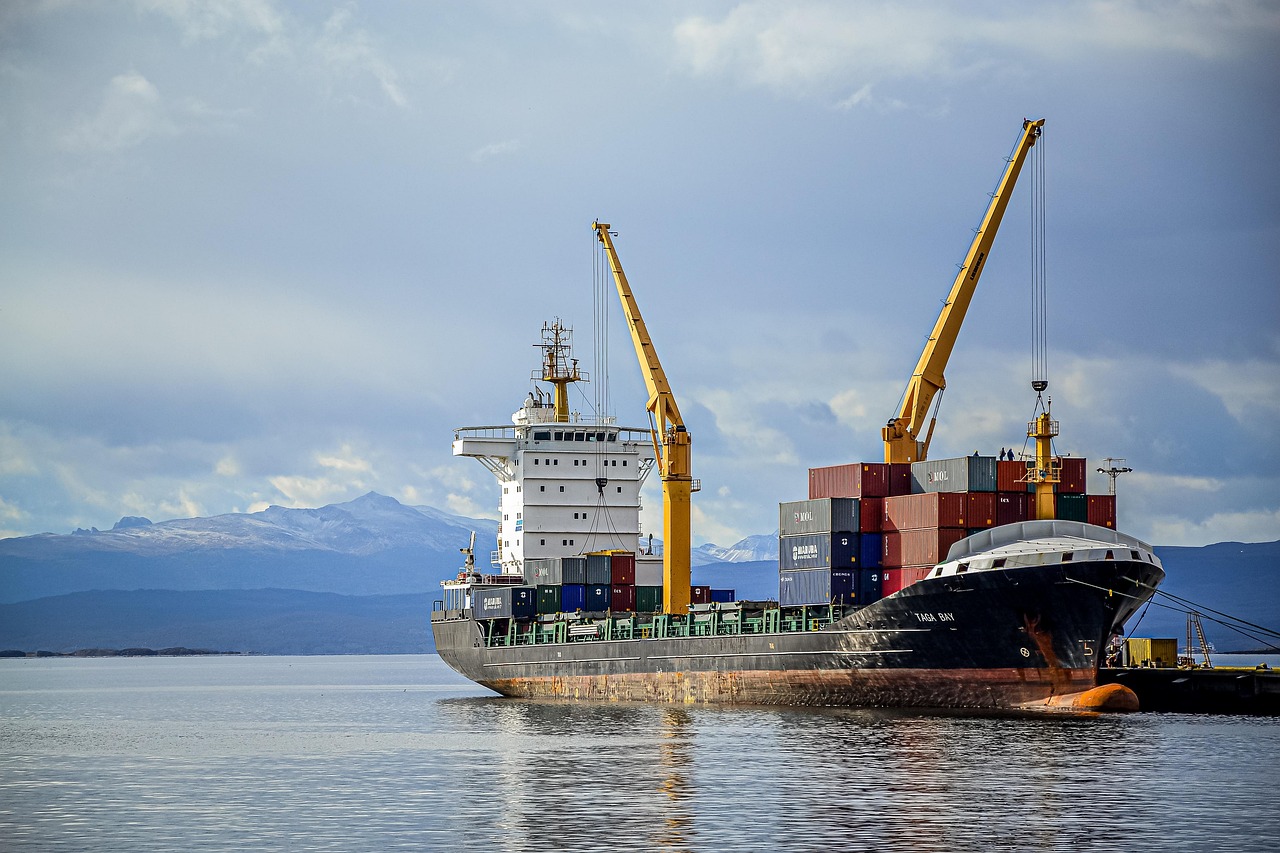
The freight booking evolution has transformed how goods are transported globally, moving from outdated, manual processes to innovative digital solutions that enhance efficiency and transparency in trade. This journey not only reflects advancements in technology but also highlights the growing need for faster and more reliable shipping methods in todays interconnected world.
Global trade has undergone significant transformations over the past few decades, particularly in the field of freight booking. This evolution reflects changes in technology, economic dynamics, and consumer expectations. Understanding the journey of freight booking helps us appreciate how far the industry has come and where it may be headed in the future.
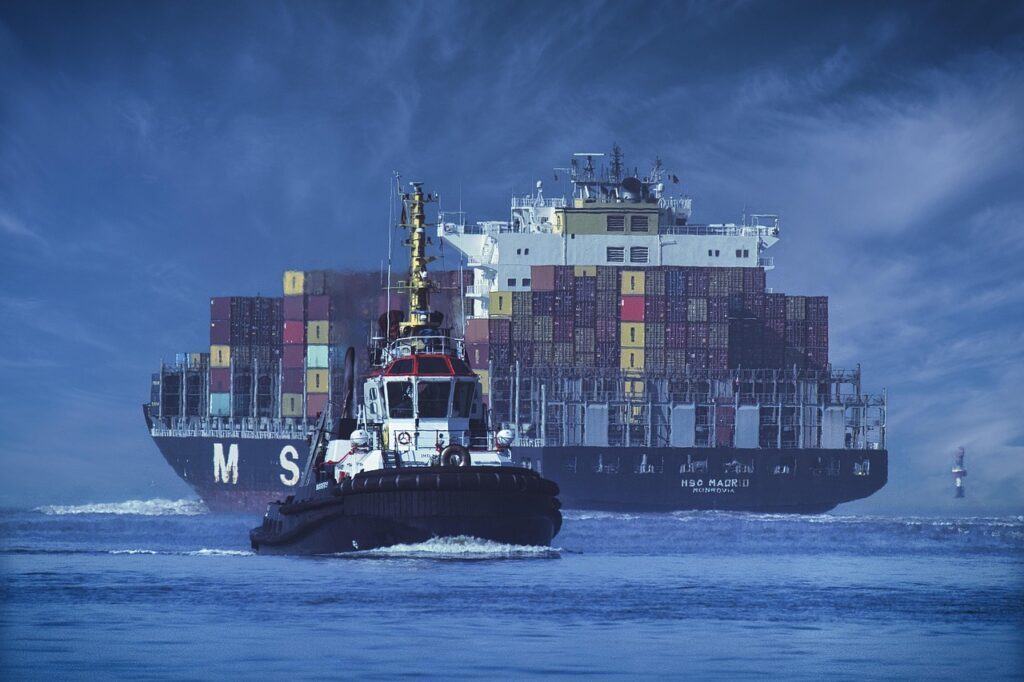
Freight booking is the process of reserving space on a vessel or vehicle to transport goods from one location to another. It involves coordinating various elements such as pricing, scheduling, and documentation to ensure smooth transit. Traditionally, freight booking was a cumbersome process, often marred by paperwork, manual processes, and communication barriers.
In the past, the freight booking process involved several key steps:
This fragmented process meant that participants in global trade faced numerous barriers, which ultimately affected the efficiency and reliability of the supply chain.
The advent of the internet and digital technology brought about a sea change in freight booking. It paved the way for an array of online platforms and tools that aimed to streamline operations.
In the early 2000s, online freight marketplaces began appearing, allowing shippers to connect with carriers directly. These platforms enabled users to:
Freight forwarders adapted to this digital transformation by leveraging technology to enhance their services. They began offering online portals that facilitated:
As technology continued to evolve, freight booking became even more sophisticated. Key advancements included:
AI and machine learning have significantly impacted freight booking by:
Blockchain technology has introduced new possibilities for transparency and security in freight transactions. Key benefits include:
The COVID-19 pandemic forced the logistics industry to adapt rapidly. Disruptions highlighted vulnerabilities in supply chains and necessitated rethinking traditional processes.
During the pandemic, companies accelerated their investments in automation technologies. This shift manifested in several ways:
The pandemic also created a heightened awareness of sustainability in logistics. Many freight companies now focus on reducing their carbon footprint and exploring eco-friendly shipping options to meet consumer demands for greener practices.
Today, the landscape of freight booking is significantly more streamlined and user-friendly than it was in the past. Several features distinguish the contemporary setup:
Modern freight booking platforms prioritize ease of use, with features like:
Industry players are increasingly collaborating to create integrated ecosystems. Examples include:
The freight booking landscape continues to evolve with the emergence of new technologies and changing consumer expectations. Key trends shaping the future include:
The push for increased efficiency is leading to higher automation levels in freight booking. Expect to see:
As the global community increasingly prioritizes sustainability, the logistics sector is adapting:
The evolution of freight booking in global trade illustrates how technology and innovation can transform complex processes into efficient, streamlined operations. From the manual, tedious practices of the past to today’s sophisticated digital solutions, the freight booking landscape continues to improve, driven by automation, enhanced visibility, and a stronger emphasis on sustainability. As we look ahead, the possibilities for further advancements are vast, and staying adaptable will be key for all participants in this essential sector of global trade.