
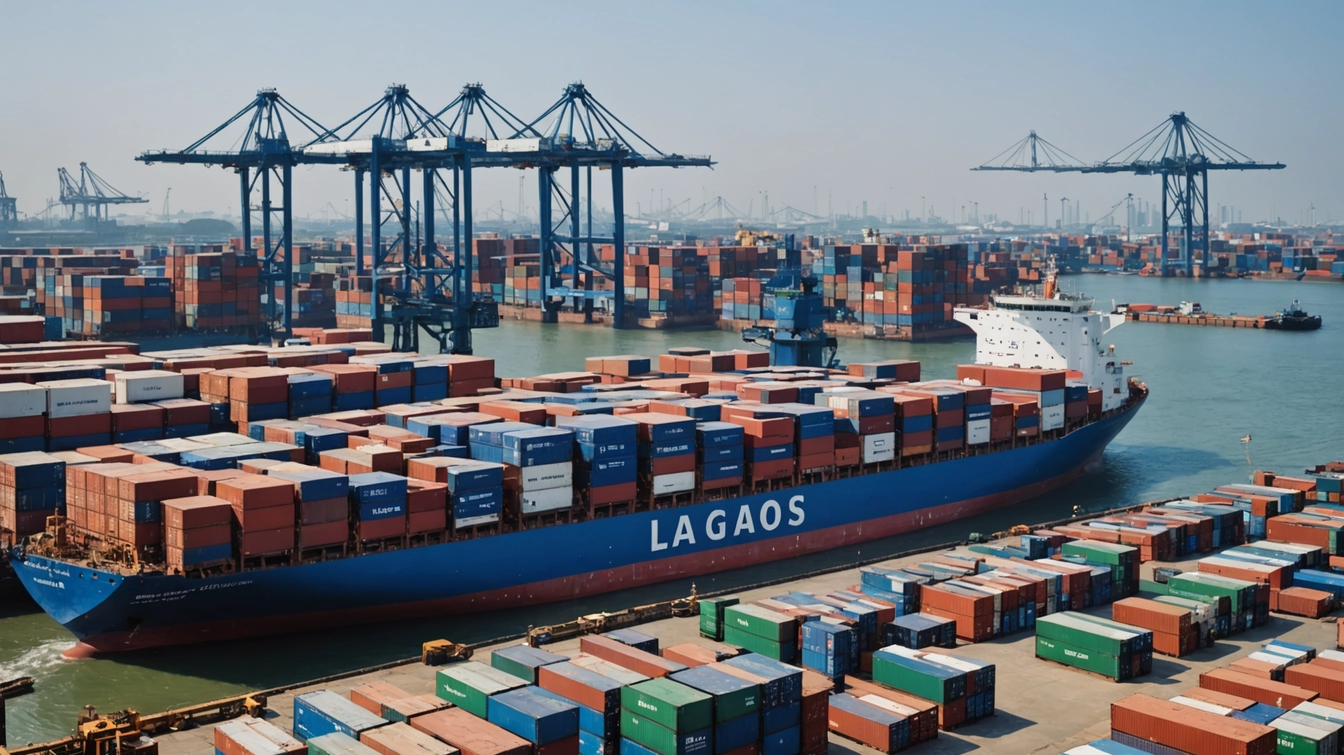
Importing goods as a first-time importer in Lagos can be an exciting venture, but its essential to navigate the complexities of regulations and logistics wisely. With the right knowledge and preparation, youll be well on your way to tapping into Nigerias vibrant market!
Importing goods into Lagos can be a lucrative business opportunity, thanks to Nigeria’s growing economy and demand for various products. However, first-time importers need to navigate a complex landscape of regulations, logistics, and market dynamics. Here are five essential things to consider before you embark on your importing journey to Lagos.

Before shipping your goods to Lagos, it’s crucial to understand the local import regulations. The Nigerian Customs Service (NCS) governs the importation process, and failure to comply can lead to delays or higher costs.
If you’re importing electronics, you’ll need specific permits and adherence to safety standards set by the National Communications Commission (NCC).
The shipping method you choose will significantly impact your costs and delivery time. There are primarily two modes of transport: air freight and sea freight.
Air Freight:
Sea Freight:
For first-time importers, it may be beneficial to start small with air freight to understand the process before committing to larger sea shipments.
Navigating international shipping and customs clearance can be daunting, especially for newcomers. A reputable freight forwarder can simplify the process by handling logistics, documentation, and communication with customs authorities.
Import duties and taxes can significantly affect the final cost of your goods. Understanding how they work can help you make informed decisions and avoid unexpected expenses.
For a shipment valued at $10,000 with a 10% import duty, the duty would be $1,000. Adding VAT would bring the total closer to $8,000, impacting your pricing strategy.
Importing to Lagos requires a keen understanding of local market trends and consumer preferences. Nigeria is diverse, and what sells well in one region might not do so in another.
Before importing fashion items, check local fashion trends. Certain colors or styles may be more popular at different times of the year due to climate and cultural events.
Navigating the world of importing goods to Lagos can be a rewarding venture, but it comes with its challenges. Understanding local regulations, choosing the right shipping method, partnering with a freight forwarder, calculating duties and taxes, and understanding market dynamics are vital for a successful importing journey. By paying attention to these five crucial aspects, first-time importers can set themselves up for success and minimize the risk of costly mistakes. As you venture into this vibrant market, remember that thorough preparation is key to thriving in the competitive landscape of Lagos.