As UK SMEs look to expand their horizons through international sales, mastering export logistics for SMEs becomes essential to streamline operations and ensure smooth market entry. Discover the key strategies that can help your business thrive in the global marketplace!
# What UK SMEs Should Know About Export Logistics
In a rapidly globalizing economy, small and medium-sized enterprises (SMEs) in the UK are recognizing the importance of exporting their goods and services. Expanding into international markets can bolster profitability, diversify customer bases, and enhance competitiveness. However, an efficient export logistics strategy is crucial for ensuring that operations run smoothly beyond domestic borders. This post will break down essential insights UK SMEs should grasp about export logistics.
Understanding Export Logistics
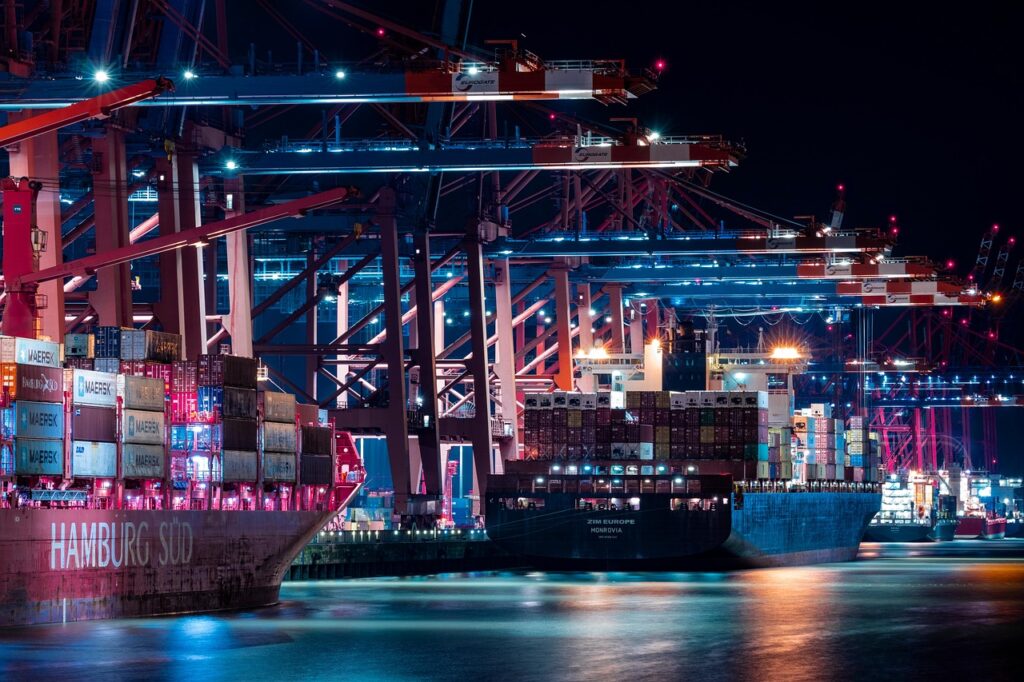 Export logistics refers to the planning, implementation, and control of the flow of goods and services from the point of origin to the destination. For SMEs, effective export logistics involves managing several key components, including transportation, warehousing, documentation, and customs clearance.
Key Components of Export Logistics
1. Transportation
- Modes of Transport: SMEs must choose between air, sea, rail, or road transport based on factors like cost, speed, and the nature of the goods. For instance, perishable items may require air freight for quick delivery, while bulk goods might benefit from cost-effective sea freight.
- Selecting Carriers: Partnering with reliable carriers is essential. Research potential carriers and evaluate their reputation, cost structures, and service levels.
2. Warehousing
- Storage Solutions: Depending on the volume and type of goods, SMEs may choose between public warehouses, private warehouses, or third-party logistics (3PL) providers.
- Inventory Management: Implement systems to track inventory levels, turnover rates, and replenishment needs to optimize storage and reduce costs.
3. Documentation
- Export Documentation: SMEs should familiarize themselves with the necessary paperwork, including:
- Commercial invoices
- Packing lists
- Bills of lading
- Certificates of origin
- Digital Documentation: Embrace digital tools that streamline documentation processes and help in compliance with various regulations.
4. Customs Clearance
- Navigating Customs: Understanding customs regulations of the exporting and importing countries is vital. SMEs must ensure proper documentation is in place to avoid delays.
- Customs Brokers: Consider leveraging the expertise of customs brokers who can facilitate the clearance process, ensuring compliance with local laws.
The Importance of Compliance
Compliance with both UK laws and international regulations is non-negotiable for SMEs involved in export logistics. Here are a few key considerations:
Tariffs and Duties
- Understanding Costs: Familiarize yourself with tariff classifications, which are essential in determining the duty rates applicable to your exports. Various trade agreements may affect these rates.
Export Control Laws
- Licenses and Permits: Some goods may require specific export licenses. SMEs should conduct due diligence to ensure that their products are not restrained by any export control laws.
International Regulations
- Incoterms: Knowing the International Commercial Terms (Incoterms) is crucial. They define the responsibilities of buyers and sellers in international trade, affecting cost management and liability during transportation.
Market Research and Planning
Before diving into international markets, a comprehensive market research strategy is pivotal. This entails analysing potential markets, understanding local demand, and studying the competition.
Steps for Effective Market Research
1. Identify Target Markets
- Look for markets with high demand for your product.
- Use resources like the UK government’s Department for International Trade to assist in identifying opportunities abroad.
2. Understand Local Regulations
- Research import regulations, taxes, standards, and certifications needed in your target markets.
3. Cultural Considerations
- Understand cultural nuances, buying behaviors, and languages of your target consumers to tailor your marketing strategies.
Technology in Export Logistics
Technology plays a significant role in streamlining export logistics. SMEs can benefit from several technological advancements in the logistics sector.
Tracking and Visibility
- Real-Time Tracking: Utilizing shipping platforms that offer real-time tracking helps SMEs monitor shipments and deal with potential delays proactively.
- Supply Chain Visibility Tools: These tools provide insights into the entire supply chain, enabling better decision-making and enhanced efficiencies.
Automation and Digitalization
- Automated Systems: Implementing warehouse management systems or customer relationship management (CRM) systems can enhance operations and support customer interactions.
- E-commerce Integration: For SMEs involved in B2C exports, integrating e-commerce platforms with logistics solutions can simplify the checkout and shipping processes.
Selecting the Right Logistics Partner
Choosing the right logistics partner can significantly impact the success of your exports. Here are some criteria to consider:
Experience and Expertise
- Look for logistics companies with significant experience in handling goods similar to yours. They should also possess a deep understanding of the particular regions you wish to export to.
Scalability
- Choose a logistics partner that can accommodate your growth as you expand into new markets or increase production levels.
Customer Support
- Quality customer support is essential for troubleshooting issues that arise during shipping, customs clearance, and delivery. Ensure your logistics partner is responsive and accessible.
Case Studies
Example 1: Tech Solutions Company
A UK-based tech solutions SME decided to expand into Germany, a lucrative market for their products. They engaged a logistics partner experienced in European exports and invested in a tracking system. Ensuring compliance with EU regulations, they streamlined their operations and realized a 30% increase in sales within the first year.
Example 2: Artisan Food Manufacturer
An artisan food manufacturer exported specialty sauces to the USA. They utilized air freight to ensure freshness and worked with a customs broker who handled all documentation. By allowing their logistics partner to manage compliance and clearance, they successfully navigated the complex market and doubled their exports within two years.
Conclusion
Export logistics can appear daunting for UK SMEs, but with a clear understanding of its key components, adherence to compliance, meticulous market research, and the right technological tools, businesses can confidently tackle the challenges. By selecting the right logistics partners and employing effective strategies, SMEs can harness the immense potential of international markets to drive growth and innovation. As you embark on your export journey, remember that each step taken to understand logistics will not only enhance your operations but also contribute to your long-term success.