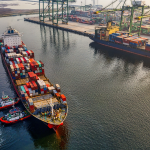

As global trade adapts to digital transport systems, businesses are embracing innovative technologies that enhance efficiency, transparency, and cost-effectiveness in logistics. With the rise of tools like IoT and AI, navigating international markets has never been more streamlined!
The world of global trade is undergoing a significant transformation as digital transport systems rise to prominence. These systems are revolutionizing how goods are moved across borders, enhancing efficiency and transparency while reducing costs. As trade networks become increasingly interwoven with technology, understanding this evolution becomes crucial for businesses looking to stay competitive in the global marketplace.

Digital transport systems refer to the integration of digital technologies in transportation logistics. This includes a wide range of tools and platforms, such as:
These technologies work synergistically, allowing for smarter decision-making and more streamlined operations.
The shift to digital transport systems is driven by several factors:
One of the most significant innovations in digital transport systems is the prevalence of IoT devices. Sensors placed on shipping containers and vehicles allow for real-time tracking and monitoring of goods in transit. This capability offers several benefits:
Blockchain technology is transforming how transactions operate in global trade. By providing a secure, immutable ledger, it facilitates trust among different stakeholders. Key advantages include:
Artificial Intelligence is reshaping logistics by analyzing vast amounts of data to enhance operational efficiencies. Some applications include:
While the benefits of digital transport systems are clear, the transition is not without challenges:
Many companies face difficulties in integrating new digital systems with existing processes. This often requires significant investment in infrastructure, training staff, and ongoing maintenance.
As supply chains become more digital, the risk of cyberattacks increases. Protecting sensitive data and securing systems against attacks become paramount for businesses.
Cultural resistance within organizations can hinder the adoption of digital transport systems. Employees may be wary of new technologies, fearing job loss or the steep learning curve associated with unfamiliar systems.
Each country has its own regulations concerning shipping and import/export processes, which can complicate the implementation of digital transport systems. Businesses must navigate these various regulations while embracing digital solutions.
Maersk, the world’s largest container shipping company, has partnered with IBM to develop TradeLens, a blockchain-based shipping platform. This platform improves efficiency and transparency by allowing all parties in the shipping process to access a shared view of shipping data. Since its inception, TradeLens has reduced paperwork processing times and provided a more secure environment for transaction processing.
DHL has embraced AI-driven solutions to enhance its logistics operations significantly. By using AI algorithms, they have optimized their warehouse management systems, leading to more efficient inventory management. DHL reports increased accuracy in order fulfillment and improved customer satisfaction levels.
UPS has invested in IoT technology to improve its delivery services. Through the use of sensors and telematics, UPS has enhanced route optimization and reduced fuel consumption. They have successfully implemented smart package tracking, allowing customers to get real-time updates on their shipments.
As the competitive landscape intensifies, businesses will need to continue investing in digital transport systems. Companies that leverage technologies such as IoT, blockchain, and AI will likely lead the way in global trade efficiency.
As consumers become more environmentally conscious, companies will be pressured to adopt sustainable practices. Digital transport systems can play a vital role in minimizing waste and emissions through more efficient logistics solutions.
The future of global trade will likely see increased collaboration among businesses, governments, and other stakeholders. By sharing data, organizations can create a more integrated and efficient supply chain network, improving resilience and performance.
The adaptation of global trade to digital transport systems marks a pivotal shift in the supply chain landscape. Through the integration of advanced technologies, businesses can achieve improved efficiency, security, and sustainability. While challenges remain, the potential benefits are too significant to ignore. As companies navigate this change, embracing innovation will be vital for success in the increasingly digital future of global trade.