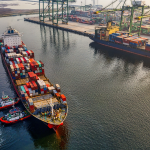

In the world of global trade, digital tools in international transport are proving invaluable, offering innovative solutions that significantly reduce risks such as delays, theft, and compliance issues. Join us as we explore the exciting advancements that are making shipments safer and more efficient than ever before!
International transport has become a vital component of global trade, allowing goods to move seamlessly across borders. However, this increased reliance on international logistics also presents a range of risks, from delays and theft to compliance issues and accidents. Fortunately, advancements in digital technology are offering solutions to these challenges. In this post, we will explore how various digital tools are significantly reducing risks in international transport.

Before diving into the digital solutions, let’s first examine some of the primary risks associated with international transport:
Example: GPS and RFID Technologies
One of the most significant advancements in reducing risk is the implementation of real-time tracking systems, such as GPS (Global Positioning System) and RFID (Radio Frequency Identification) technologies. These tools allow companies to monitor their shipments throughout the entire transportation process.
Example: Smart Containers
IoT technologies are increasingly being utilized in logistics, particularly through smart containers equipped with sensors. These containers can monitor temperature, humidity, and even detect opening and closing, giving companies important insights into the condition of their goods.
Example: Predictive Analytics Tools
Data analytics has come a long way, with tools capable of evaluating vast amounts of data to predict potential disruptions in transport logistics. By analyzing historical data, companies can forecast delays and prepare contingency plans.
Example: Secure Documentation
Blockchain technology is often associated with cryptocurrencies, but its decentralized and immutable nature makes it ideal for securing documentation in international transport, such as bills of lading and contracts.
Example: Compliance Management Software
Ensuring compliance with international regulations can be daunting. Digital compliance tools automate the process of managing necessary documentation and regulations for various countries.
Example: Data Encryption and Firewalls
With the increase in digital tools comes the need for robust cybersecurity measures to protect sensitive data in the transport industry. Employing data encryption and sophisticated firewalls is essential to safeguarding against cyber threats.
Amazon has revolutionized logistics by implementing advanced real-time tracking systems. With GPS and IoT devices, customers can track their packages minute-by-minute, enhancing transparency and accountability throughout the delivery process.
Maersk, a leading container shipping company, has adopted blockchain solutions to streamline their documentation processes. Using a blockchain-based platform, Maersk has enhanced data sharing transparency with trade partners, significantly reducing fraudulent activities and documentation errors.
UPS employs predictive analytics to anticipate delivery disruptions, allowing them to optimize routes preemptively. By analyzing historical shipping data, UPS can determine the most efficient delivery paths and respond more effectively to potential risks.
Digital tools are transforming international transport, significantly reducing the risks associated with shipping goods across borders. Through real-time tracking, IoT technologies, advanced analytics, blockchain, and strong cybersecurity measures, the logistics industry is becoming safer, more efficient, and more transparent. As businesses continue to embrace these technologies, the resilience and reliability of international transport will only improve, paving the way for a more interconnected global economy.