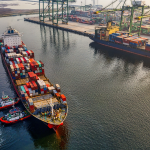

Digital logistics is transforming international trade by simplifying complex supply chain processes and enhancing efficiency. With real-time tracking and automated inventory management, businesses can now navigate global markets with ease, ensuring smooth operations and happier customers.
The globalization of markets has made it increasingly important for businesses to engage in international trade. However, the complexities of cross-border operations can often pose significant challenges. Fortunately, digital logistics is revolutionizing the way companies manage their supply chains, simplify operations, and improve efficiency in international trade.

Digital logistics refers to the integration of digital technologies into logistics processes. This encompasses everything from real-time tracking and automated inventory management to comprehensive data analytics and cloud-based solutions. By leveraging these digital tools, businesses can streamline operations, reduce costs, and enhance customer satisfaction.
Real-time Tracking
Digital logistics provides the ability to track goods in real-time throughout the supply chain. By using GPS and IoT (Internet of Things) devices, businesses can obtain immediate updates on the status and location of their shipments.
Automated Inventory Management
Technology enables businesses to automate inventory tracking. This system not only keeps records up-to-date but also analyzes trends to anticipate demand, ensuring that the right amount of stock is available when needed.
Cloud-based Solutions
Cloud technology allows for easier sharing of information across teams and locations. It facilitates collaboration among suppliers, manufacturers, and distributors, ensuring smooth communication throughout the logistics process.
Data Analytics
Companies can utilize data analytics to gain insights into their shipping processes, customer preferences, and market conditions. This helps businesses make informed decisions that optimize their logistics strategies.
Digital Documentation
Digital logistics replaces extensive paperwork with electronic documentation. This not only saves time but also reduces the chances of errors that can delay shipments.
The automation provided by digital logistics enables businesses to operate more efficiently. Tasks that used to take days can now be completed within hours. For instance, the use of automated data entry systems eliminates the need for manual paperwork, which significantly speeds up the processes.
By optimizing logistics processes, businesses can substantially reduce operational costs. Real-time tracking prevents delays that can lead to financial losses, while automated inventory management minimizes excess stock and associated holding costs.
With digital logistics tools, companies gain unprecedented visibility into their supply chains. This transparency enhances the ability to monitor shipments, identify potential issues, and respond to them proactively. For example, if a shipment is delayed due to unforeseen circumstances, businesses can communicate with customers promptly, improving customer satisfaction.
Navigating international trade regulations can be challenging. However, digital logistics systems often come equipped with features that assist in compliance. These systems can automatically update businesses about changing regulations, helping them avoid legal issues.
A streamlined logistics process ultimately leads to faster and more accurate deliveries. By investing in digital logistics, businesses can provide better service to their customers, which can lead to increased loyalty and repeat business.
DHL has adopted a digital logistics strategy that focuses on on-demand delivery services. Through advanced data analytics and customer preferences, DHL can optimize routing and delivery schedules, allowing it to respond more effectively to customer needs. For instance, customers can choose specific delivery windows, and DHL uses logistics software to ensure timely deliveries, thereby boosting customer satisfaction.
Maersk, one of the largest shipping companies in the world, launched a digital platform called “Maersk Spot.” This platform simplifies the booking process for customers by providing real-time access to slot availability, instant quotes, and digital documentation. Maersk also utilizes machine learning algorithms to improve customer service and supply chain visibility, illustrating how digital tools can revolutionize the shipping industry.
Amazon is a prime example of how digital logistics can excel in international trade. By integrating advanced robotics, AI-driven analytics, and automated warehousing, Amazon has created a logistics system that allows for rapid fulfillment of international orders. Customers around the world benefit from quicker delivery times, broad product selections, and improved service, setting a new standard in the e-commerce sector.
Flexport is a logistics platform that has disrupted traditional shipping methods. By offering real-time analytics, automated documentation, and comprehensive data on supply chain performance, Flexport enables businesses to make data-driven decisions. Their platform simplifies the complexities of international trade and helps companies navigate shipping tariffs and customs processes effectively.
While the benefits of digital logistics are substantial, it is important to recognize the challenges associated with implementing such solutions, especially in international trade.
Integrating digital logistics systems can require significant initial investment in technology and training. Small and medium-sized enterprises (SMEs) may struggle with allocating sufficient resources for a comprehensive digital transformation.
Cultural resistance within an organization can hinder the adoption of digital logistics solutions. Employees may be accustomed to traditional processes, and changing mindsets can take time and effective change management strategies.
As logistics processes become more digital, businesses are also more susceptible to cyber threats. Developing robust cybersecurity measures is essential to protect sensitive data and transactional information.
Existing logistical systems may not easily integrate with new digital technologies. Ensuring seamless communication between various platforms, software, and systems remains a challenge that businesses must address.
Digital logistics is proving to be a powerful tool that simplifies the complexities of international trade. By enabling real-time tracking, automating inventory processes, and utilizing data analytics, businesses can enhance efficiency, reduce costs, and improve customer satisfaction. Although challenges exist in implementing digital logistics systems, the advantages significantly outweigh the downsides. As more companies adopt these digital strategies, the international trade landscape will continue to evolve, leading to a more interconnected and efficient global economy.
As we embrace these digital transformations, it becomes increasingly vital for businesses to stay ahead of technological trends to remain competitive in a rapidly changing market. The future of international trade lies in harnessing digital logistics, paving the way for a smarter, more efficient global supply chain.