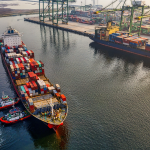

In an era where convenience is key, digital freight platforms are revolutionizing the way UK and African businesses tackle logistics, making it easier than ever to connect, trade, and thrive in a global market. These innovative tools are bridging trade gaps by streamlining operations and enhancing communication, paving the way for a more efficient and transparent shipping process.
# How UK and African Businesses Are Closing Trade Gaps Through Digital Freight Platforms
The evolution of technology has significantly reshaped the global trade landscape, particularly in the realms of logistics and freight. In an increasingly interconnected world, businesses are looking for innovative ways to simplify operations, reduce costs, and enhance trading opportunities. Digital freight platforms are emerging as a crucial tool for bridging trade gaps between the UK and African businesses, streamlining processes that were once rife with complexities.
Understanding Digital Freight Platforms
 Digital freight platforms are online services that facilitate the transportation of goods by connecting shippers with carriers. These platforms utilize cloud-based technology, allowing for real-time tracking, automated document generation, and streamlined communication between all parties involved. They bring transparency to the shipping process, making it easier for businesses to manage their logistics operations.
Key Features of Digital Freight Platforms
1. Real-Time Tracking: Businesses can monitor the status of shipments at any point in time.
2. Automated Documentation: Reduces the need for manual paperwork, minimizing human errors.
3. Cost Efficiency: Helps businesses compare prices from various carriers, ensuring competitive rates.
4. Route Optimization: Advanced algorithms suggest the most efficient routes to save time and reduce costs.
5. User-Friendly Interfaces: Simplified dashboards offer businesses an intuitive way to manage logistics.
The Trade Landscape Between the UK and Africa
The trade relationship between the UK and African countries has seen significant evolution in recent years. Several factors contribute to the growing interest:
- Market Potential: Africa is home to a young, dynamic population and a burgeoning middle class, presenting numerous business opportunities.
- Trade Agreements: Post-Brexit, the UK has sought to strengthen trade relations with African nations, aiming to establish a mutually beneficial export-import ecosystem.
- Diversification of Supply Chains: As companies look to diversify their operations, Africa is emerging as a key partner offering various natural resources and products.
Despite these opportunities, several barriers still impede smooth trade flows, including infrastructure challenges, regulatory complexities, and a lack of reliable logistics solutions. This is where digital freight platforms come into play.
How Digital Freight Platforms Are Bridging the Gap
Increased Accessibility
Digital freight platforms democratize access to logistics services. Smaller businesses in Africa can now connect with UK exporters without needing intermediaries, reducing the overhead costs associated with traditional freight forwarding. For instance, platforms like Shippo and Flexport allow users to enter shipping details and receive instantaneous quotes, enabling businesses to make informed decisions quickly.
Enhanced Transparency
One of the significant hurdles in international trade has been the opacity involved in the logistics process. Digital freight platforms provide real-time visibility into the shipping process—from pick-up to delivery. This transparency builds trust between UK and African businesses, assuring them that goods are moving as expected.
Lower Shipping Costs
By allowing businesses to compare rates from multiple carriers, digital freight platforms enable companies to identify the best shipping options for their needs. For example, a UK textile manufacturer looking for cost-effective shipping solutions to Africa can easily evaluate different options, ensuring they do not overspend on freight.
Streamlined Documentation Processes
Cross-border trade often involves an avalanche of paperwork, including customs declarations, invoices, and shipping manifests. Digital freight platforms simplify this by automating documentation processes. This not only minimizes errors but also speeds up the clearance process in both the UK and African ports.
Case Study: The Impact of Digital Freight Platforms on UK and African Tea Trade
The tea trade is a thriving sector that exemplifies the benefits of digital freight platforms. The UK is one of the largest importers of African tea, particularly from countries like Kenya and Malawi. By leveraging platforms like Maersk Spot, tea producers can streamline their shipping process.
- Before the Platform: Kenyan tea producers faced challenges such as high freight costs and complicated customs procedures. This often translated to delays that hampered market competitiveness.
- After Implementing Digital Freight Solutions: Using the digital platform, they can book shipments with direct access to carrier schedules and real-time tracking. This has resulted in a 20% reduction in shipping costs and a 15% improvement in delivery times.
Overcoming Challenges
While digital freight platforms are making strides in improving trade between the UK and Africa, several challenges remain:
Digital Divide
Although internet penetration is on the rise in Africa, the digital divide still exists. Many small and medium-sized enterprises (SMEs) struggle to access digital freight platforms due to limited technology infrastructure. Initiatives to provide training and technology access are essential.
Regulatory Hurdles
Different regulatory frameworks between countries can pose a challenge for seamless operations. Businesses must navigate complex customs regulations, which can be further complicated by the lack of standardization across platforms.
Trust Issues
While digital platforms provide increased transparency, building trust, especially in new business relationships, can pose challenges. Encouraging good reviews and ratings can help ameliorate these concerns.
The Future of Digital Freight and Trade
Looking ahead, the potential of digital freight platforms to further integrate UK and African trade is immense. As more businesses adopt these platforms, we can expect:
- Increased Integration: Greater synchronization between logistics, customs, and trading regulations will enhance efficiency.
- Sustainability Measures: Digital platforms could enable better route planning, thus reducing the carbon footprint of shipments.
- Technological Innovations: Advancements like blockchain for transparency and AI for demand forecasting are on the horizon, further revolutionizing the industry.
Conclusion
Digital freight platforms are playing a transformative role in closing trade gaps between the UK and African businesses. By enhancing accessibility, transparency, and cost efficiency, these platforms are setting the groundwork for smoother logistics processes. As both regions continue to navigate the complexities of international trade, collaboration and investment in technology will be crucial for unlocking the full potential of this burgeoning relationship.