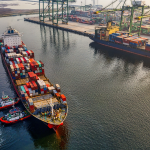

Digital freight platforms are revolutionizing the way exporters manage their logistics, offering a seamless and efficient experience that simplifies booking, tracking, and paying for shipments. With real-time tracking and instant quotes, these innovative solutions are winning over exporters by making global trade faster, easier, and more cost-effective than ever before.
The global trade landscape is rapidly evolving, driven by technology advancements and changing market demands. Exporters, in particular, are experiencing a significant transformation in how they manage logistics, thanks to the rise of digital freight platforms. These innovative solutions are reshaping the shipping industry, making it easier, faster, and more cost-effective for exporters to transport their goods worldwide.

Digital freight platforms simplify the logistics process by providing a digital interface where shippers can connect with carriers to book, manage, and track shipments. These platforms utilize technology like artificial intelligence, machine learning, and data analytics to optimize shipping operations.
Real-Time Tracking
Instant Quotes
Automated Processes
Data Analytics
User-Friendly Interfaces
The advantages of using digital freight platforms compared to traditional freight forwarding services are numerous.
Cost-saving opportunities abound in the digital freight space. Traditional freight forwarders often have a fixed pricing structure, but digital platforms provide a competitive bidding environment.
In the dynamic world of international trade, time is of the essence. Digital freight platforms dramatically speed up the booking process.
User experience is critical in today’s technology-driven market. Digital freight platforms prioritize intuitive design and efficiency.
With enhanced tracking and reporting capabilities, exporters have greater visibility over their shipments.
Digital freight platforms often have extensive partnerships with carriers around the world.
The digital transformation in logistics relies heavily on automation and advanced technologies.
AI plays a significant role in optimizing freight operations.
Machine learning algorithms continuously improve the accuracy of logistics processes.
Blockchain enhances transparency and security in shipping.
Several notable digital freight platforms have emerged as leaders in the industry, catering to exporters’ needs:
Flexport is well-known for its air and ocean freight solutions that combine transparent pricing with excellent customer support.
Freightos provides an extensive marketplace for freight quotes, and its user-friendly interface appeals to exporters of all sizes.
Shippo allows businesses to integrate shipping solutions into their systems, making it ideal for e-commerce exporters looking for seamless shipping management.
While digital freight platforms offer numerous advantages, exporters should also consider potential challenges.
Not all exporters may be comfortable with transitioning from traditional methods to digital solutions due to varying levels of technological proficiency.
As an emerging industry, not all digital freight platforms have equally robust systems or customer service, which could affect the reliability of the shipping process.
With the increased reliance on digital platforms comes the responsibility to ensure data security. Exporters must verify that platforms utilize robust security measures.
Digital freight platforms are transforming the way exporters operate by offering cost savings, speed, visibility, and enhanced user experiences. While traditional freight forwarding has its merits, the advantages of embracing a digital approach are undeniable. As these platforms continue to innovate, exporters who adapt to these changes will be better equipped to navigate the global marketplace efficiently and effectively. Embracing digital freight is not just a trend; it’s a vital step toward future-ready logistics strategies.