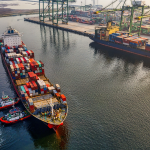

In recent years, more transport companies are joining digital freight networks, transforming the way they manage logistics and connect with shippers. These innovative platforms not only streamline operations but also enhance customer service and boost profit margins, making them an attractive option in todays competitive market.
In recent years, the logistics and transportation industry has undergone a significant transformation fueled by technological advancements. One of the most notable shifts has been the rise of digital freight networks. More transport companies are embracing these platforms to streamline their operations, enhance customer service, and improve profit margins. In this article, we will explore the reasons behind this trend and the benefits that digital freight networks offer transport companies.

Digital freight networks (DFNs) are technology-driven platforms that connect shippers with carriers. These networks enable businesses to streamline logistics processes by providing visibility into shipping options, real-time tracking, and easy communication between stakeholders. They essentially act as a marketplace for freight, allowing for more efficient matching of supply and demand.
Transport companies that join digital freight networks experience a myriad of advantages, making them more competitive in the market. Below are some key benefits:
One of the primary reasons transport companies are gravitating towards DFNs is the significant improvement in operational efficiency.
Visibility is crucial in the transportation sector, and DFNs provide transparency that helps all parties involved.
Cost efficiency is a driving factor behind the adoption of digital freight networks.
In an industry where customer service is paramount, DFNs improve the shipping experience for shippers and end customers.
Data plays a crucial role in modern logistics, and DFNs equip transport companies with a wealth of information.
Joining a digital freight network provides transport companies with opportunities to access new markets.
Schneider National, a leading provider of transportation and logistics services, adopted a digital freight network to enhance its operational efficiency. By leveraging data analytics and real-time tracking capabilities, Schneider improved its capacity utilization rates by 15%. This not only resulted in reduced costs but also increased customer satisfaction due to timely deliveries.
XPO Logistics implemented a digital freight matching system that allows shippers to connect with carriers instantly. This system reduced the time to secure a load by 40%, allowing XPO to handle more shipments each day. Consequently, the company reported a significant increase in revenue as a direct result of improved operational speed and efficiency.
While the benefits of joining digital freight networks are clear, the transition can come with challenges. Transport companies need to consider the following factors:
Adopting new technologies may require significant investment in both software and training. Companies must ensure their staff is adequately trained to navigate these systems.
With increased reliance on digital platforms comes the risk of data breaches. Transport companies must prioritize cybersecurity measures to protect sensitive information.
Some companies may resist the shift to digital solutions due to acclimatization to traditional practices. Change management strategies may be needed to ease this transition.
As the logistics and transportation landscape continues to evolve, more companies are recognizing the advantages of digital freight networks. By embracing these platforms, transport companies can enhance operational efficiency, improve customer service, and ultimately increase profitability. While challenges exist in the transition, the potential benefits far outweigh the hurdles, making DFNs a crucial component for success in the modern logistics environment. As technology advances, those who adapt will thrive, while those who remain tethered to outdated practices risk being left behind.