
Navigating customs clearance for UK exports to Africa can be a daunting task, but understanding the process is key to ensuring your goods reach their destination smoothly and without costly delays. This guide will help shed light on customs clearance for UK exports, making your exporting journey a breeze!
Exporting goods from the UK to Africa can be a lucrative venture for businesses. However, navigating the customs clearance process can be complex. This blog post outlines the key aspects of customs clearance for UK exports to Africa, helping businesses understand the requirements and ensuring smooth operations.
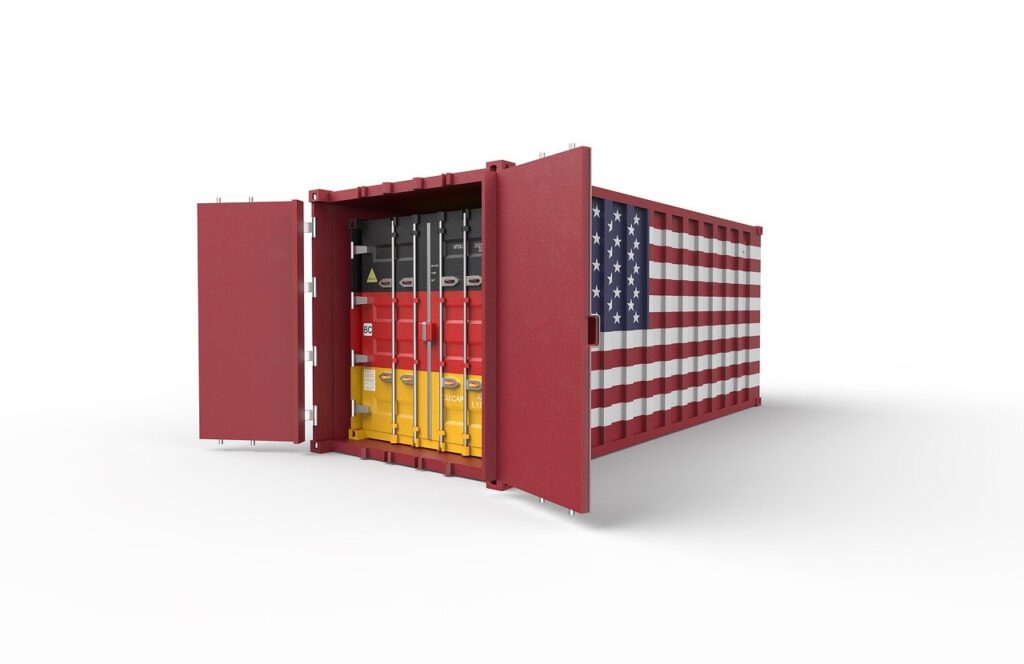
Customs clearance is the process of approving goods for export or import. It involves submitting documentation to customs authorities and paying any applicable duties and taxes. Understanding customs clearance is essential for businesses wishing to export products, as it ensures compliance with relevant laws and regulations.
Customs clearance determines whether goods can enter a foreign market. In the context of UK exports to Africa, it has several critical implications:
Understanding the steps involved in customs clearance can help streamline the export process. Below are the crucial steps:
Before exporting goods to Africa, it’s essential to prepare the required documentation. Common documents include:
Goods must be classified using the Harmonized System (HS) codes, an internationally standardized system that facilitates international trade. Each product category has a unique code that determines the applicable duties and taxes in the importing country. Incorrect classification can lead to customs delays or excessive duties.
Customs value is the price paid for the goods, including any additional costs (transportation, insurance, etc.) incurred before they reach customs. Understanding how customs value is calculated helps ensure compliance and avoid potential disputes.
A customs declaration must be submitted to the customs authority of the importing country. This declaration provides details about the shipment and may need to be submitted digitally or on paper, depending on the country’s requirements.
Duties, VAT, and other fees may apply when the goods arrive in the importing country. Rates vary by country and product, so it’s essential to research them beforehand. Payment is usually required before customs will release the goods.
After submitting all necessary documentation and fees, wait for customs to clear the shipment. The timeline can vary depending on the importing country’s customs procedures and workload.
Once customs clearance is granted, the goods can be released for delivery. At this point, ensure to confirm that all documents are in order to prevent further delays.
While exporting to Africa may be beneficial, several challenges can complicate the customs clearance process. Some common issues include:
African countries often have varied and complex customs regulations. Staying updated on each country’s specific rules can be challenging for exporters.
Language differences can lead to miscommunication, especially when dealing with regulatory documents. Utilizing translation services when necessary can mitigate this challenge.
In some countries, corruption may hinder the customs clearance process. It’s crucial to conduct due diligence and consider working with local partners who understand the intricacies of the local market.
Maintaining compliance with ongoing regulatory changes in both the UK and the importing countries can be difficult. Regularly monitoring regulations and engaging in continuous learning can help exporters stay compliant.
To improve the chances of smooth customs clearance, consider implementing the following best practices:
Customs brokers are professionals who can navigate the complex customs processes on your behalf, ensuring compliance with laws and reducing errors in documentation.
Investing in customs software can help automate the preparation of necessary documentation, making the process more efficient and reducing the risk of human error.
Keeping abreast of changes in trade regulations, tariffs, and customs procedures in both the UK and Africa is essential for a smooth export process. Attending seminars and subscribing to industry newsletters can be beneficial.
Cultivating relationships with local customs officials and business networks in your target markets can provide valuable insights and support during the customs clearance process.
Successfully navigating customs clearance for UK exports to Africa requires diligence, understanding of regulations, and meticulous documentation. By preparing ahead and following best practices, businesses can streamline the customs clearance process, ensuring timely access to African markets. With proper planning and resources, the opportunities for UK exporters in Africa can be substantial, making the effort well worth it.