

Navigating cross-border freight management can be tricky, but digital marketplaces are here to simplify the process! By connecting shippers and carriers, these platforms not only enhance visibility and transparency but also open up a world of logistics options tailored to your business needs.
Managing cross-border freight can be a complex task, especially in today’s globalized economy. Companies are often faced with various logistics challenges that can impact their overall efficiency and bottom line. Fortunately, the emergence of digital marketplaces is transforming the way businesses approach freight management. This article explores the numerous benefits of utilizing a marketplace for managing cross-border freight.
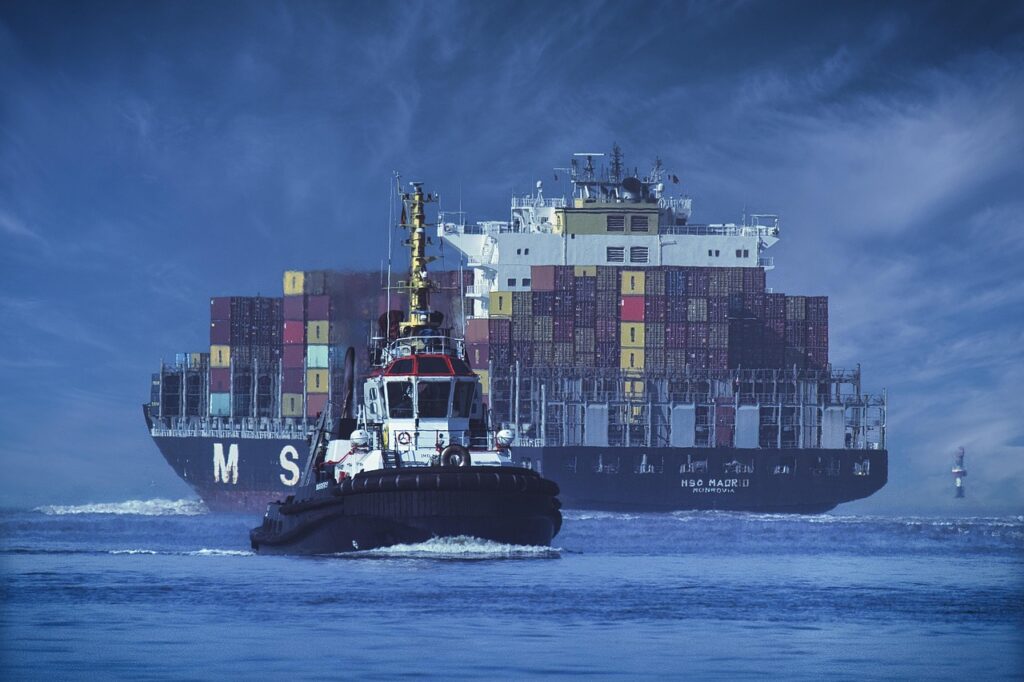
A marketplace for freight management is a digital platform that connects shippers and carriers to facilitate the movement of goods across borders. These marketplaces leverage technology to streamline logistics processes, making it easier for businesses to find, book, and manage freight transportation. Some popular examples include Freightos, Flexport, and ShipBob.
One of the significant advantages of using a marketplace for cross-border freight is improved visibility and transparency throughout the supply chain.
Real-Time Tracking: Many platforms provide real-time tracking of shipments, allowing companies to monitor their cargo’s status at any point in time.
Data Insights: Marketplaces often offer detailed analytics and reporting tools that help shippers make data-driven decisions.
Clear Costs: By providing transparent pricing models, shippers can better understand their logistics costs, minimizing unexpected expenses.
Using a marketplace opens doors to a vast network of carriers that businesses may not have previously considered.
Diverse Transportation Options: From air freight to ocean shipping, these platforms typically offer a range of transportation modes, catering to various needs.
Competitive Pricing: With more carriers available, companies can compare quotes and choose the most cost-effective option for their shipments.
Tailored Solutions: Businesses can find specialized carriers for unique goods—such as handling perishable items or hazardous materials.
The booking process for cross-border freight can often be convoluted, involving multiple phone calls and emails. Marketplaces streamline this process significantly.
User-Friendly Interface: Most freight marketplaces offer an intuitive user interface that simplifies booking. Shippers can enter their shipment details and receive quotes in minutes.
Automated Documentation: Many platforms automate paperwork like customs forms and bills of lading, reducing the administrative burden on teams.
Instant Quotes: Users can often receive instant quotes based on real-time data, facilitating faster decision-making.
Cost management is critical in freight logistics. Here’s how a marketplace can help companies save money:
Comparison Shopping: Companies can efficiently compare rates across various carriers, ensuring they secure the best prices.
Reduced Overhead: By using a marketplace, businesses may reduce or eliminate the need to maintain a large in-house logistics team, resulting in significant cost savings.
Negotiation Leverage: With increased visibility into market rates and carrier performance, shippers can negotiate better terms with carriers.
Cross-border shipments often get delayed due to customs issues. Digital marketplaces can aid in ensuring smoother customs clearance.
Pre-Built Compliance Solutions: Many platforms come equipped with tools to help shippers comply with international regulations and customs requirements.
Proactive Issue Resolution: With real-time monitoring, delays can often be addressed proactively, which can minimize downtime.
Expert Support: Marketplaces frequently provide access to experts who can assist with customs documentation and compliance challenges.
As businesses grow, their logistics needs often become more complex. Marketplaces can scale with your business, offering flexible solutions to accommodate growth.
Easily Adaptable: If a company suddenly needs to ship larger volumes or to new international locations, market places can quickly provide the necessary resources.
Integration with Existing Systems: Many digital marketplaces offer integration capabilities with existing enterprise resource planning (ERP) systems, making it easier to manage logistics alongside other business functions.
Every shipping process has risks associated with it, from damages to delayed shipments. Using a marketplace can help mitigate these risks in several ways:
Insurance Options: Some marketplaces offer built-in insurance options that shippers can select at the time of booking.
Carrier Vetting: Established marketplaces perform due diligence on carriers, ensuring that shippers engage with reliable transport providers.
Dispute Resolution Support: Bill disputes or service issues can often be resolved more efficiently through marketplace customer support compared to dealing directly with carriers.
As global awareness of environmental issues grows, many companies are seeking sustainable logistics solutions. Marketplaces can facilitate this transition.
Eco-Friendly Carriers: Some platforms offer access to carriers that prioritize sustainable practices, such as using fuel-efficient vehicles or carbon offset programs.
Optimized Routes: Advanced algorithms often used in marketplaces can optimize shipping routes, helping to reduce fuel consumption and emissions.
Lower Empty Miles: By matching shippers with carriers, these platforms can help minimize empty miles driven, further contributing to a lower carbon footprint.
The complexities of managing cross-border freight can be daunting, but leveraging a marketplace offers a myriad of advantages to shippers. From enhanced visibility and access to diverse carriers to streamlined processes and cost efficiencies, these digital platforms are reshaping freight management. As businesses look to grow and adapt in an increasingly interconnected world, adopting a marketplace approach can provide the flexibility and efficiency necessary to navigate the challenges of global logistics. With a focus on innovation and sustainability, utilizing a freight marketplace is not just a smart choice; it’s a strategic imperative for businesses aiming to thrive in the 21st century.