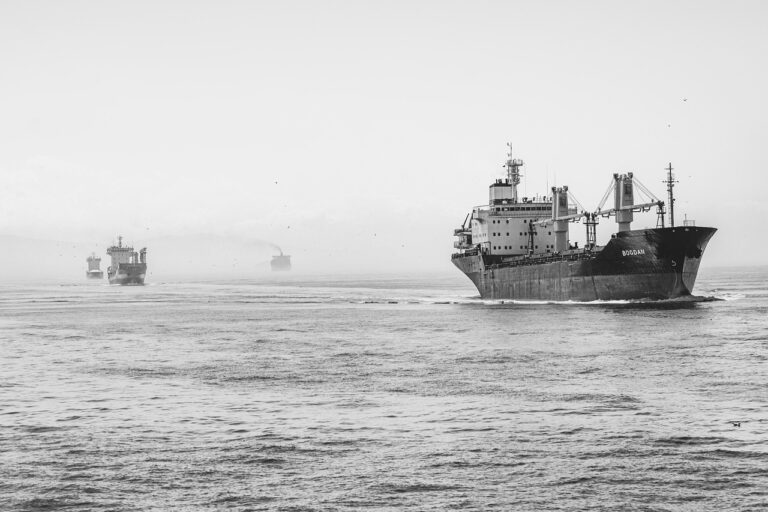

When faced with cargo delays internationally, staying calm and gathering the right information can make all the difference; this article offers practical cargo delays solutions to help you navigate the challenges and get your goods on their way.
# What to Do If Your Cargo Is Delayed Internationally
Navigating international shipping can be complex, and cargo delays can be a significant headache for both individuals and businesses. Understanding what steps to take if your cargo is delayed can help mitigate potential losses and ensure your goods arrive safely. This article outlines practical steps you can take if your cargo is delayed and provides tips for preventing delays in the first place.
Understanding Cargo Delays
 Before we delve into the steps to take, it's essential to know the common causes of cargo delays, which can include:
- Adverse Weather Conditions: Storms, fog, or other extreme weather can delay shipping schedules.
- Customs Clearance Issues: Goods may require additional documentation or inspections.
- Logistical Challenges: Unexpected transport issues or depot errors can also cause delays.
- Regulatory Changes: Changes in shipping laws or tariffs can impact transit times.
Before we delve into the steps to take, it's essential to know the common causes of cargo delays, which can include:
- Adverse Weather Conditions: Storms, fog, or other extreme weather can delay shipping schedules.
- Customs Clearance Issues: Goods may require additional documentation or inspections.
- Logistical Challenges: Unexpected transport issues or depot errors can also cause delays.
- Regulatory Changes: Changes in shipping laws or tariffs can impact transit times.
Common Effects of Cargo Delays
The impact of cargo delays can ripple through many aspects, including:
- Increased shipping costs
- Loss of customer trust
- Disruption in production schedules
- Financial implications from unsold goods
Steps to Take When Your Cargo is Delayed
1. Stay Calm and Gather Information
The first step when you learn about a cargo delay is to stay calm. Panic can lead to hasty decisions that might exacerbate the situation. Here is how you can effectively gather information:
- Contact Your Freight Forwarder: Reach out to your freight forwarder or shipping company for updates on your shipment. They usually have the latest information.
- Monitoring Systems: Utilize any tracking systems provided by the shipping company to get real-time updates on your cargo.
- Documentation Review: Check all shipping documents, such as the Bill of Lading and invoices, to ensure everything is in order.
2. Communicate with Stakeholders
Communication is crucial during a delay. Keep all relevant parties informed. This includes:
- Customers: Notify them about the delay and provide an estimated timeline for delivery. Transparency helps maintain trust.
- Suppliers: Let your suppliers know about the delay, especially if it affects their commitments to you.
Example:
If you run an e-commerce business and a shipment of crucial inventory is delayed, email your customers to inform them of the delay, perhaps offering a discount on future purchases.
3. Explore Alternative Solutions
Depending on how critical the delayed cargo is, you may need to explore alternatives:
- Air Freight: If time is of the essence, consider using air freight services for urgent shipments, albeit at a higher cost.
- Find Alternate Suppliers: If a critical component is delayed, investigating alternative suppliers may be necessary to keep your operations running smoothly.
4. Work on Customs Resolution
If the delay is due to customs issues, prompt resolution is essential:
- Hire a Customs Broker: If you are having difficulty navigating customs regulations, hiring an experienced customs broker can expedite the process.
- Prepare Proper Documentation: Ensure your documentation (like invoices and certificates of origin) is complete and accurate.
5. File a Claim if Necessary
If your cargo is lost or significantly delayed beyond an acceptable timeframe, you may need to consider filing a claim:
- Insurance Review: Check your shipping insurance policy to understand your rights in the case of delays or losses.
- Contact Insurance Provider: If applicable, file a claim with your insurance provider, providing them with all necessary documentation regarding the shipment and delay.
6. Learn from the Experience
After the situation has been resolved, take the time to analyze what went wrong and how to avoid similar delays in the future:
- Identify Weak Points: Look into where the breakdown occurred — was it in logistics, communication, or documentation?
- Upgrade Processes: Develop stronger procedures for shipping and customs clearance or consider investing in software that improves tracking and documentation processes.
- Training: Provide training to your team on potential issues that can arise in international shipping.
Preventing Future Delays
1. Choose Reliable Shipping Partners
Selecting the right shipping partner can make a significant difference in avoiding cargo delays. Look for companies with:
- Good customer reviews
- Experience with international shipping
- Strong communication practices
2. Invest in Insurance
Having comprehensive cargo insurance can also mitigate the financial risks associated with delays. This provides an added layer of security for your business.
3. Pre-emptive Documentation
Preparing the necessary documentation ahead of time can help avoid customs delays. Ensure you understand the requirements for your specific cargo to avoid last-minute snags.
4. Monitor Transit Times
Regularly monitor shipping routes and be aware of potential delays. For instance, during peak seasons like holidays, delays are more common.
5. Build Relationships
Fostering good relationships with suppliers, freight forwarders, and customs officials can facilitate smoother shipping processes. Good communication can ease many potential issues.
6. Use Technology
Investing in technology, such as cargo tracking systems or supply chain management software, can greatly enhance transparency and communication throughout the shipping process.
Conclusion
Cargo delays can be frustrating and pose significant challenges for businesses. By staying calm, communicating effectively, and exploring alternative solutions, you can mitigate potential losses. Moreover, understanding the causes of delays and implementing proactive measures can improve the resilience of your shipping operations in the long run. Remember, being prepared is the best way to deal with unexpected logistical challenges.