

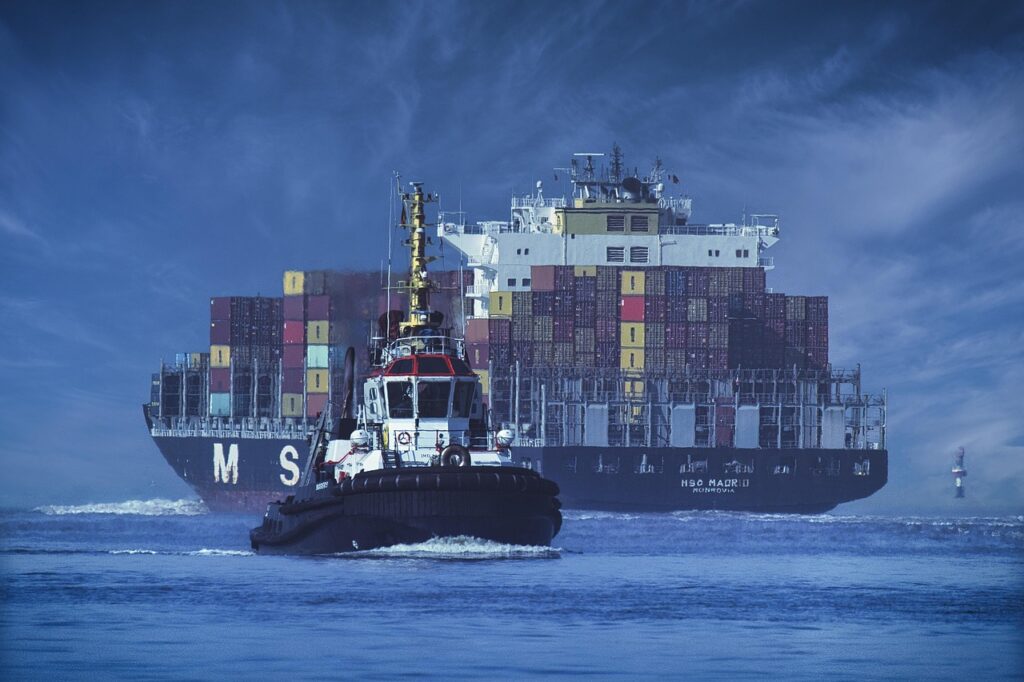
Avoiding freight overpayment illustration for How to Avoid Overpaying for Freight Services: Essential Tips

How to Avoid Overpaying for Freight Services: Essential Tips

In today’s fast-paced global economy, avoiding freight overpayment is a key concern for businesses looking to ship goods efficiently. By understanding the different types of freight services and the factors influencing costs, you can make informed decisions that save you money while ensuring your shipments arrive on time.

How to Avoid Overpaying for Freight Services

In today’s fast-paced global economy, shipping goods efficiently is crucial for businesses of all sizes. However, navigating the world of freight services can be complex, and without the right knowledge, companies often end up overpaying for these essential logistics. This article will guide you through essential strategies to help you avoid overpaying for freight services, ensuring you get the best value for your shipping needs.
Understanding Freight Services

Avoiding freight overpayment illustration for How to Avoid Overpaying for Freight Services: Essential Tips

Freight services encompass a range of transportation options for shipping goods, including:

  • Air Freight: Best for speed, typically more expensive.
  • Ocean Freight: Economical for large shipments but slower.
  • Road Freight: Flexible and often the most common for domestic shipping.
  • Rail Freight: Cost-effective for bulk shipments over land.

Understanding the various types of freight services allows businesses to select the most appropriate option based on their needs and budget.

Factors Influencing Freight Costs

Before diving into tips to save money, it’s essential to understand the factors that influence freight costs:

  1. Weight & Dimensions: Heavier and larger shipments generally cost more.
  2. Distance: Longer distances increase transportation costs.
  3. Shipping Mode: Different modes of freight have varying costs.
  4. Seasonality: Peak seasons may see increased prices due to demand.
  5. Fuel Prices: Fluctuations in fuel costs directly affect freight rates.
  6. Customs Duties and Taxes: International shipping includes additional charges.

1. Assess Your Shipping Needs

Before you start looking for freight services, assess your shipping patterns:

  • Volume: How often do you ship products, and in what quantities?
  • Destination: Where are you shipping, and how does that affect costs?
  • Type of Goods: Are you shipping perishables, hazardous materials, or standard goods?

Understanding your shipping needs helps you choose the right service provider and plan more effectively, minimizing unnecessary costs.

2. Get Multiple Quotes

One of the most effective ways to avoid overpaying is to obtain quotes from multiple freight carriers:

  • Comparison Shopping: Request quotes from different freight companies and negotiate based on the prices.
  • Contract Rates: If you have a consistent shipping volume, negotiate for contract rates with specific carriers.
  • Online Freight Marketplaces: Tools like Freightos or ShipBob allow you to compare multiple freight options easily.

Having multiple quotes helps you identify the standard pricing in the market and empowers you when negotiating.

3. Understand the Pricing Structure

Freight pricing can be complicated, with various factors contributing to the final cost. Here are some common pricing components to consider:

  • Base Rate: The standard charge for transporting goods.
  • Accessorial Charges: Additional fees for extra services (e.g., liftgate service, residential delivery).
  • Fuel Surcharge: A variable fee that adjusts based on current fuel prices.
  • Insurance: Additional cost for insuring your cargo against loss or damage.

Review the pricing structure carefully to ensure you aren’t paying for unnecessary services.

4. Consolidate Shipments

Consolidating your shipments can offer significant savings. This practice involves combining smaller shipments into one larger shipment, which can often reduce the overall cost:

  • Less than Truckload (LTL): If you don’t have enough freight for a full truckload, consider LTL shipping options where you share space with other shipments.
  • Scheduled Shipments: Align your shipping schedule with the freight carrier’s routes to take advantage of their existing capacity.

Consolidation not only saves money but can also streamline your logistics.

5. Optimize Packaging

The way you package your products can significantly impact freight costs. By optimizing your packaging, you can potentially reduce shipping costs:

  • Size & Weight: Use the smallest box possible to minimize weight and dimensions.
  • Material: Consider lighter materials to reduce overall weight without compromising protection.
  • Interlocking Packaging: Design your packaging to fit together efficiently, maximizing space in containers and transport vehicles.

Investing time in optimizing your packaging can lead to significant long-term savings.

6. Leverage Technology

Freight management software can simplify the shipping process and reduce costs:

  • Rate Comparison Tools: Software that compares rates instantly from various carriers can provide insights on the best shipping options.
  • Warehouse Management Systems: Efficient inventory management can reduce delays and associated costs.
  • Track and Trace Solutions: Tools that allow you to monitor shipments can help anticipate issues before they become costly delays.

Embracing technology can provide a competitive edge, helping you navigate the complexities of shipping while saving money.

7. Build Relationships with Carriers

Establishing strong relationships with freight carriers can lead to better rates and improved service:

  • Loyalty Programs: Many carriers offer discounts for loyal customers or bulk shipping arrangements.
  • Feedback and Communication: Open lines of communication can address issues before they escalate, helping maintain a seamless shipping process.
  • Long-Term Contracts: Committing to a carrier for the long term can often lead to better rates and service.

Investing in relationships with your freight carriers can pay off in savings and reliability.

8. Stay Updated with Regulations

Keeping abreast of shipping regulations, especially for international freight, is critical to avoid unexpected costs:

  • Customs Regulations: Ensure all necessary documents are in order to prevent customs delays.
  • Trade Agreements: Understand any trade agreements between your country and others that can affect costs.

Educating yourself about regulations can help steer clear of fines and additional fees.

9. Review and Analyze Freight Spend

Regularly reviewing your freight costs can unveil areas for potential savings:

  • Audit Invoices: Ensure that the invoices match the rates previously agreed upon.
  • Analyze Patterns: Look for trends in your shipping costs to identify areas of improvement.
  • Benchmark Against Industry Standards: Compare your freight costs against industry averages to determine if you’re paying too much.

Frequent analysis can keep your spending in check and promote efficiency.

Conclusion

Managing freight costs effectively is essential for businesses looking to maintain profitability while providing outstanding service. By assessing your shipping needs, obtaining multiple quotes, optimizing packaging, and leveraging technology, you can significantly reduce costs and avoid overpaying for freight services. Establishing strong relationships with carriers and regularly reviewing your freight expenses will further ensure you maximize your savings. By implementing these strategies, you’ll not only streamline your logistics but also enhance your overall business operations.